
Keynotes
Explore how knowledge, narratives, and power shape our understanding of sustainability around this years theme Facts, Fiction and Sustainable Futures of the YHYS Fall Colloquium 2026. Bringing together leading scholars from across disciplines, our keynote speakers, Catriona McKinnon (University of Exeter), Malcolm Fairbrother (Uppsala University), Tero Toivanen (University of Helsinki), and Johanna Kaakinen (University of Turku), offer critical perspectives on climate politics, environmental governance, societal transformation, and the psychology of belief. On this page, you’ll get a glimpse into their talks alongside brief biographies.
Catriona McKinnon
It is well documented that fossil fuel multinational corporations have engaged in a propaganda campaign of climate denial since at least the 1970s, with the aim of slowing down action on decarbonisation. In this talk I consider whether the CEOs of these carbon majors ought to be held liable under a version of international criminal law, because this propaganda has likely accelerated the climate crisis. I argue that international criminal law ought to be expanded to protect humanity against threats of extinction that are being imposed on us by some powerful subsets of our species. I call this new international crime ‘postericide’. I argue that individual CEOs are liable for this crime, and that the legal excuses they might offer in their defence fail.
Catriona McKinnon (exeter.ac.uk) is Professor of Political Theory at the University of Exeter. Her work engages ethical and philosophical questions related to climate change, the environment, and future generations in particular. She is the co-director of RENEW: Renewing Biodiversity Through a People-in-Nature Approach. A five year programme funded by Natural Environment Research Council (NERC) brings together academics from all Faculties at Exeter, and dozens of external partners, to research and implement solutions to the UK’s biodiversity crisis.


Malcolm Fairbrother
One of the most powerful arguments against climate policy is that fossil fuels provide the energy modern societies need and that reducing their use would undermine the quality of human life. My talk challenges that claim by examining why greenhouse gas emissions per capita vary so much across countries. While emissions are strongly linked to national affluence, I argue that fossil fuel production per capita is another key factor. I show that the relationship between fossil fuel production and emissions is largely explained by energy consumption and the fossil fuel share of energy supply. Fossil fuel-producing countries consume much more energy per person, whereas countries without major fossil fuel resources are far more energy-efficient. These results demonstrate how unnecessary high-carbon lifestyles are, contrary to those who defend them, and they show how much potential for change there is.
Malcolm Fairbrother (fairbrother.org), is Professor of Sociology at Uppsala University and the Institute for Futures Studies. His research focuses on environmental politics, social and political trust, globalization, and research methods. He received his PhD from the University of California, Berkeley, worked for ten years at the University of Bristol, and has held visiting positions in Mexico, the United States, Canada, Italy, and Catalonia.
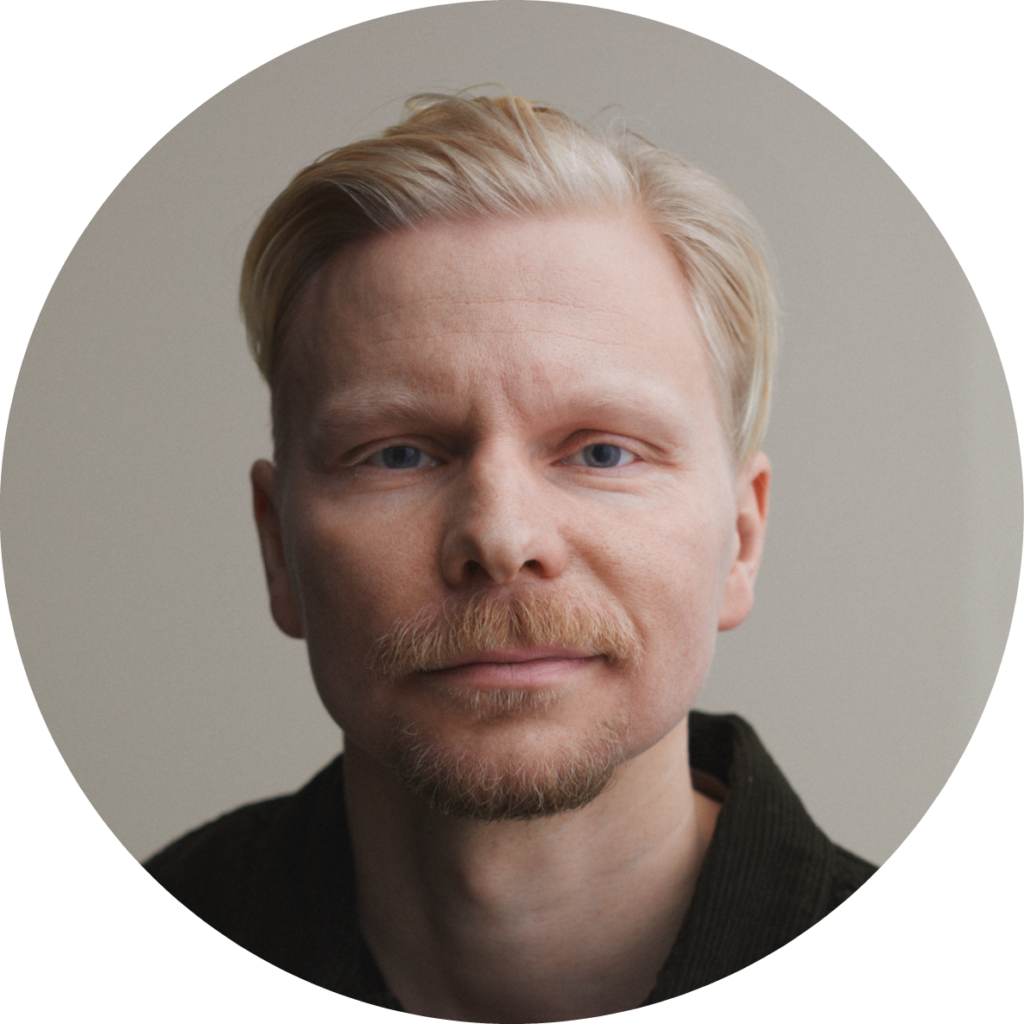
Tero Toivanen
Despite widespread public concern over climate and ecological crises, the politics of sustainability are increasingly shaped not only by backlash but — perhaps more importantly — by the rearticulation of environmental ideologies. The far-right is becoming an active participant in this process. My talk examines the rise of far-right pro-environmental agendas, drawing on interview material with Finnish far-right actors engaged in environmental and metapolitical projects. Rather than rejecting environmental knowledge outright, the far right selectively appropriates, reinterprets and reframes it, producing hybrid political assemblages of facts and fictions that challenge progressive understandings of sustainability. I conceptualise this evolving formation as racial ecology: an ethnically exclusionary political ecology grounded in ideas of bordered belonging, local embeddedness and civilisational survival.
Tero Toivanen (helsinki.fi) is a historian and environmental social scientist specialising in the political economy of socio-ecological transformations and the environmental history of political and economic thought. He is a senior researcher at the BIOS Research Unit and in Economic and Social History at the University of Helsinki. He leads the project Climate Obstruction in Finland (2025–2028), funded by the Kone Foundation. In autumn 2026, Toivanen will be a visiting research fellow in the Department of Human Geography’s Human Ecology Division at Lund University.
Johanna Kaakinen
Attitudes toward science and scientific knowledge — for example, on climate change and biodiversity loss — seem to be polarized and politicized. However, according to national surveys like the Finnish Science Barometer, Finns’ attitudes toward science are generally quite positive, raising the question of why the public discussion around these topics seems so polarized. In the Fostering Finnish Science Capital (FINSCI) project, we have studied how Finns relate to science and scientific knowledge, including their beliefs about climate change. In this talk, I will present recent findings from the FINSCI project, and discuss the factors that shape people’s beliefs. I will also discuss what these findings might tell us about polarization around science-related topics more broadly.
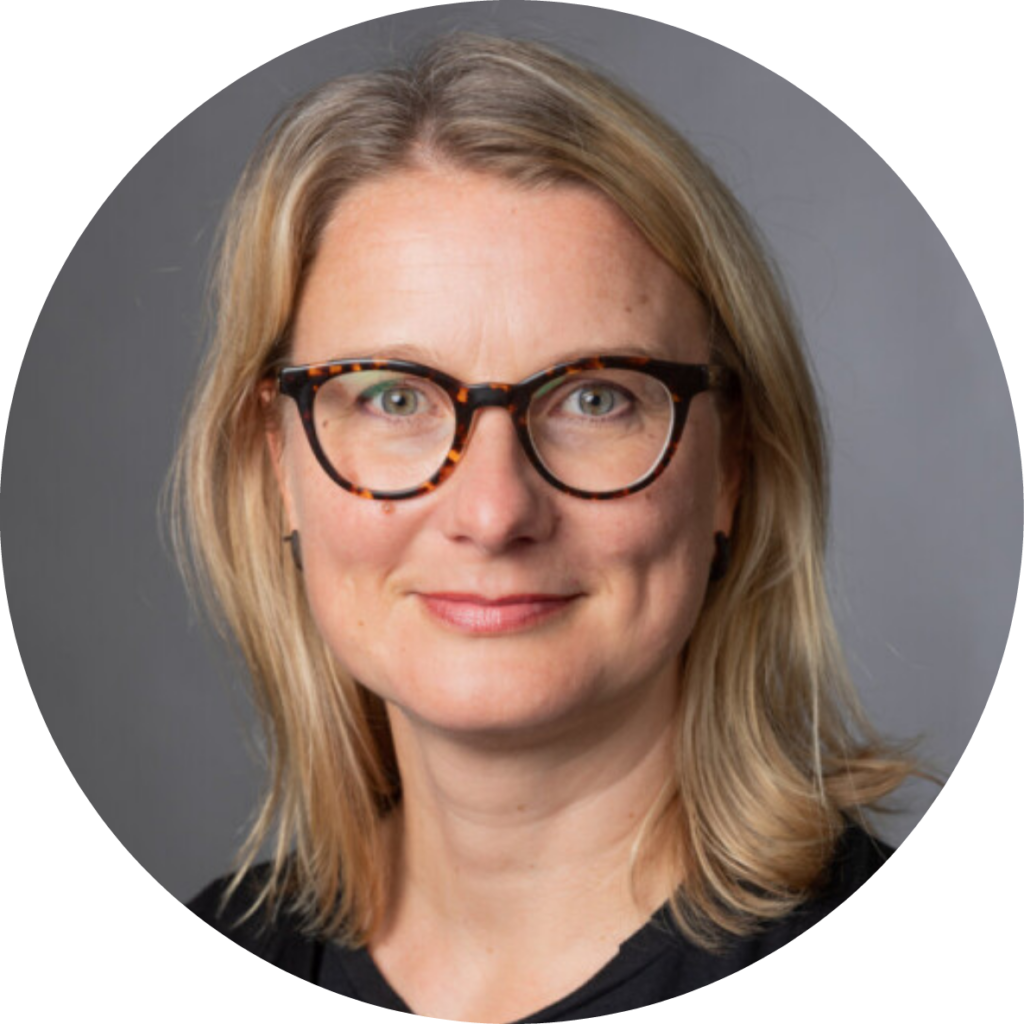
Johanna Kaakinen (utu.fi) is Professor of Psychology at the University of Turku, Finland. Her research falls within the field of cognitive psychology, with a particular focus on the role of emotional experiences in information processing, especially in the context of reading. Kaakinen led the Strategic Research Council-funded project Fostering Finnish Science Capital (2020–2026), which examined the factors shaping people’s attitudes toward science and research, and related aspects.