
Psych-AID at the European Association of Psychology and Law Conference 2026
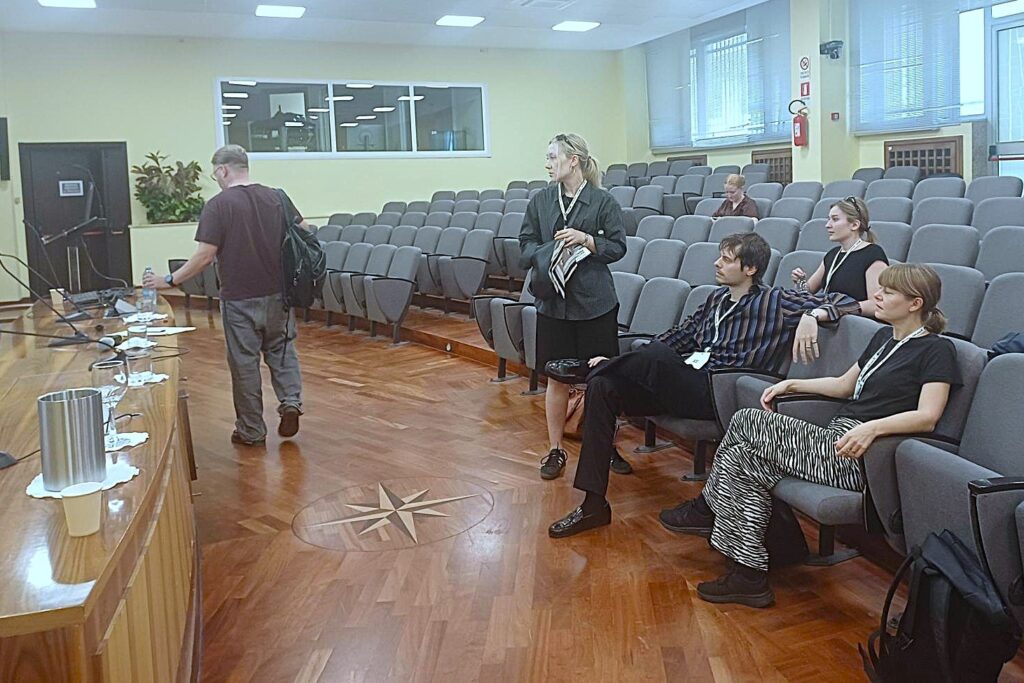
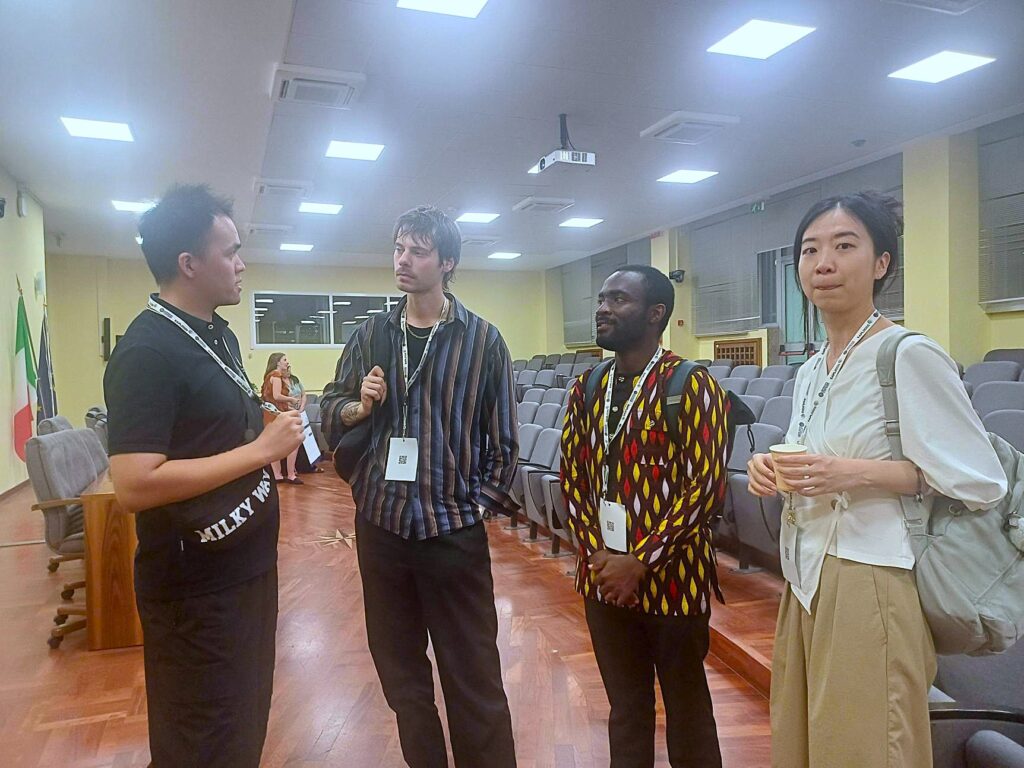
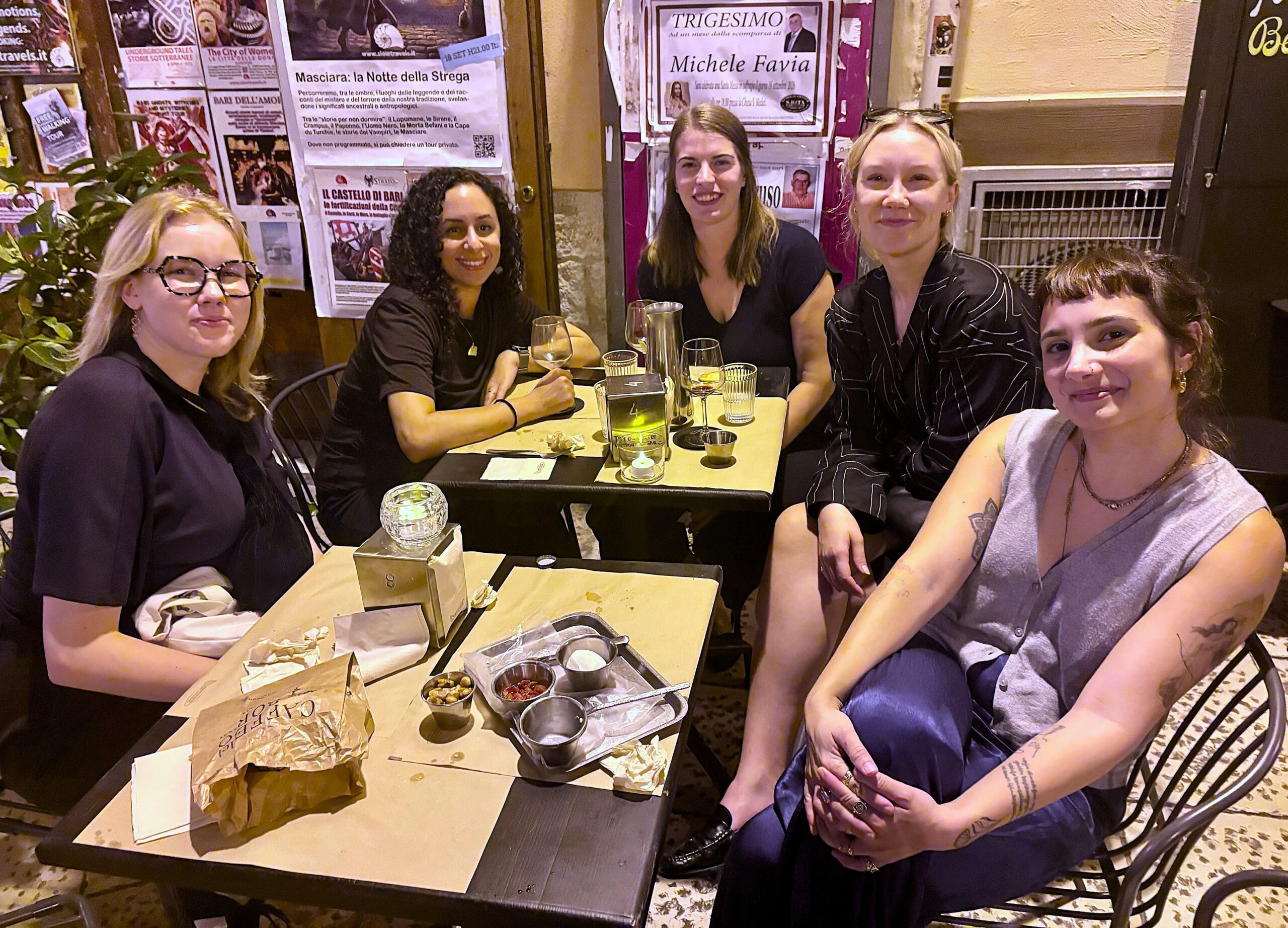
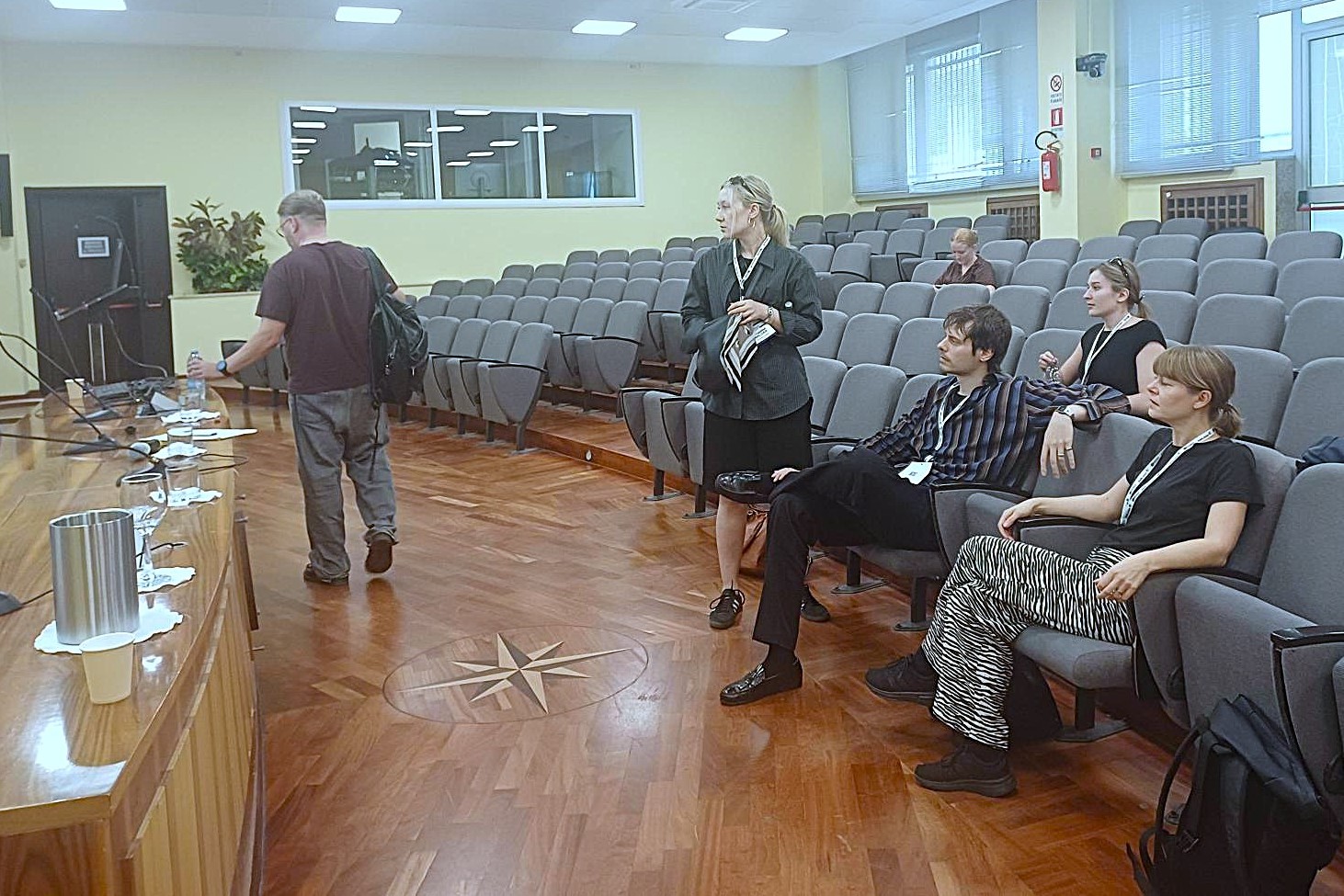
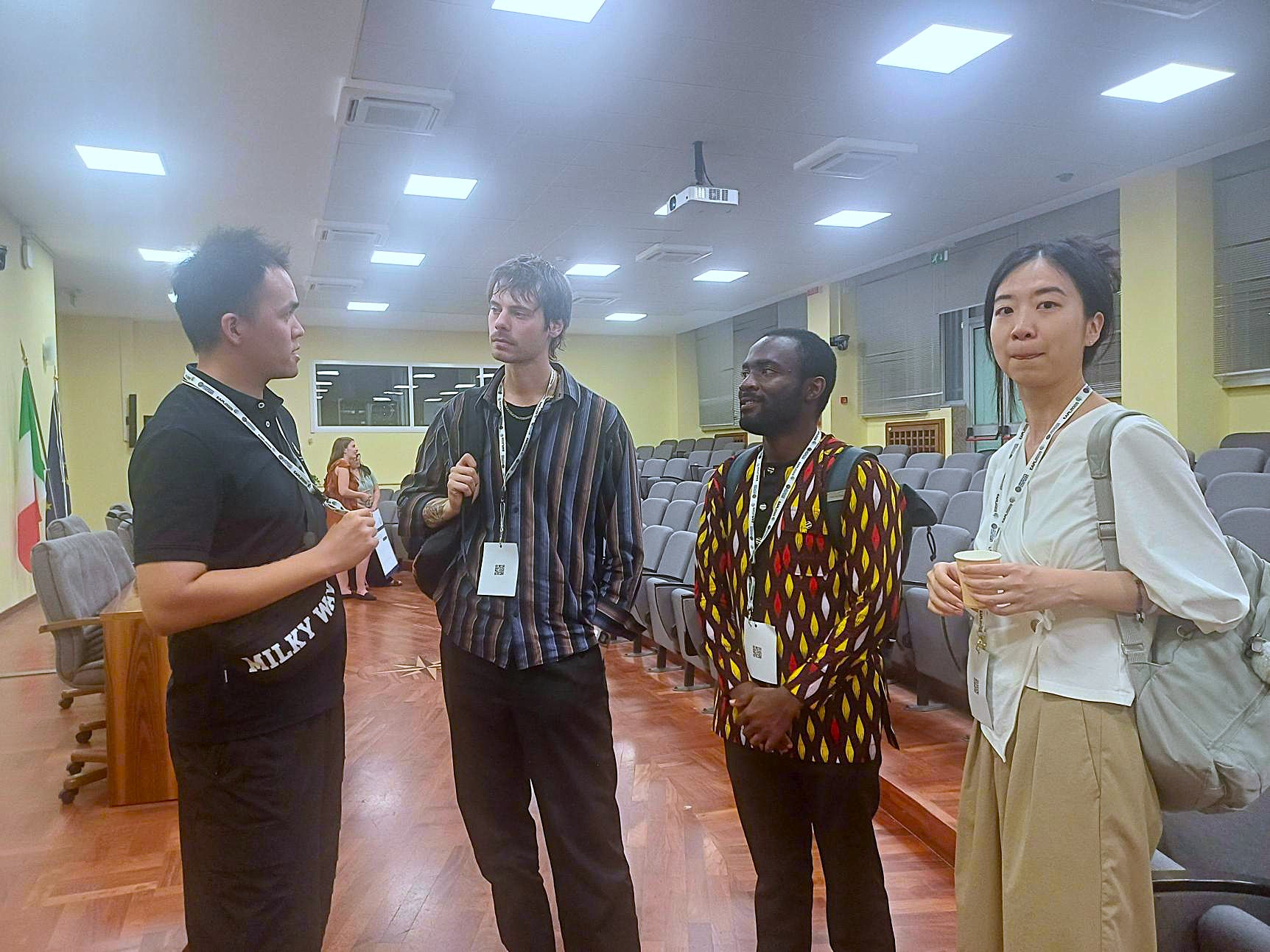
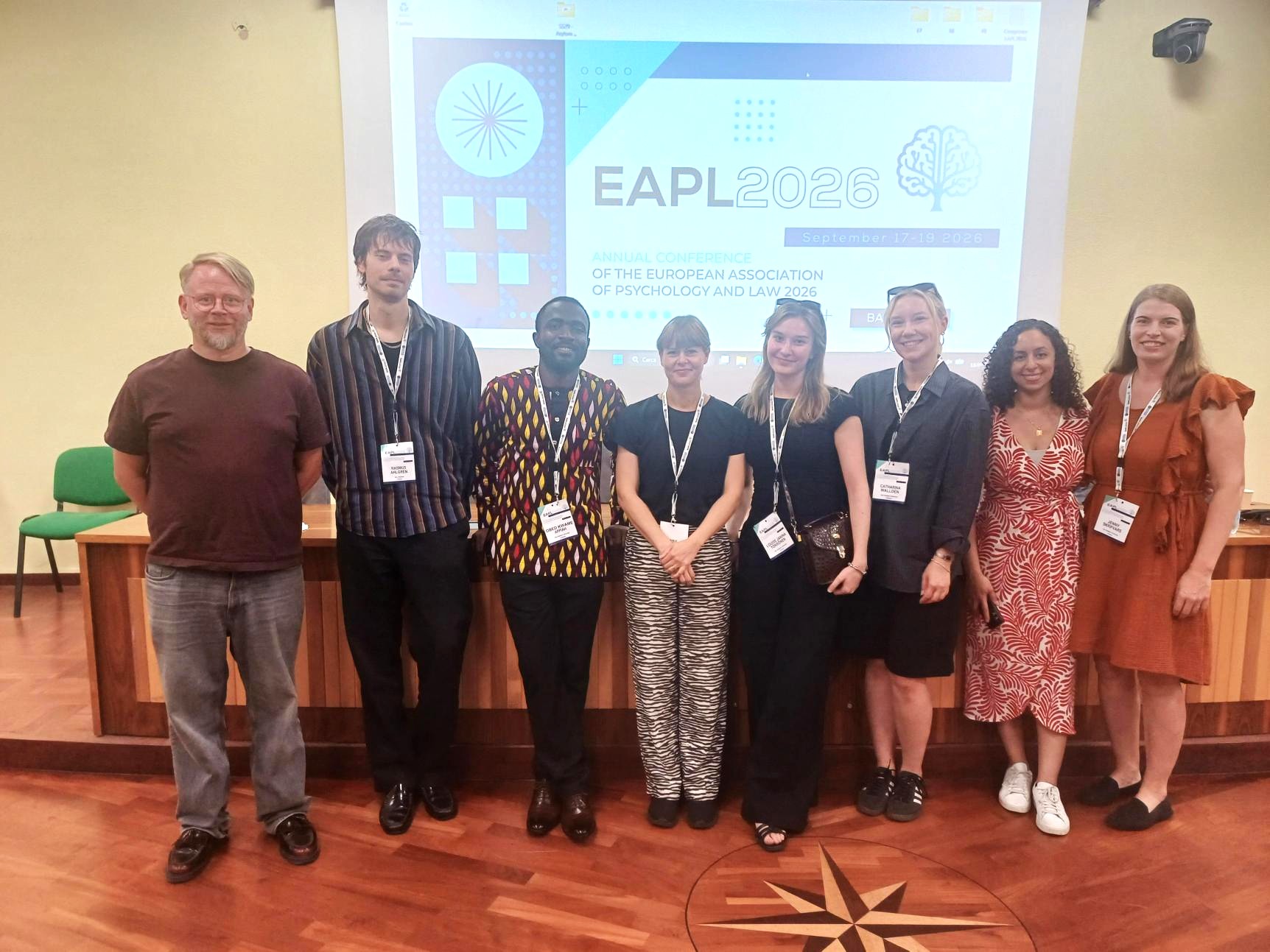
The Psych-AID Network was delighted to participate in the annual European Association of Psychology and Law (EAPL) Conference 2026 in Bari, Italy. The EAPL2026 conference, hosted by the Università degli Studi di Bari Aldo Moro from 17th to 19th September, brought together researchers and practitioners from the fields of law and psychology to discuss topics including the assessment of asylum claims, bias in justice processes, miscarriages of justice, gender-based violence, the situation of sexual and gender minorities in the justice system, improving the protection of victims and persons in vulnerable situations and other relevant topics at the intersection of law and psychology. The conference featured pre-conference workshops, keynote addresses, oral presentations, symposia, and poster sessions. Researchers from Psych-AID actively participated in all sessions and presented their latest research work.
Pre-Conference Workshops
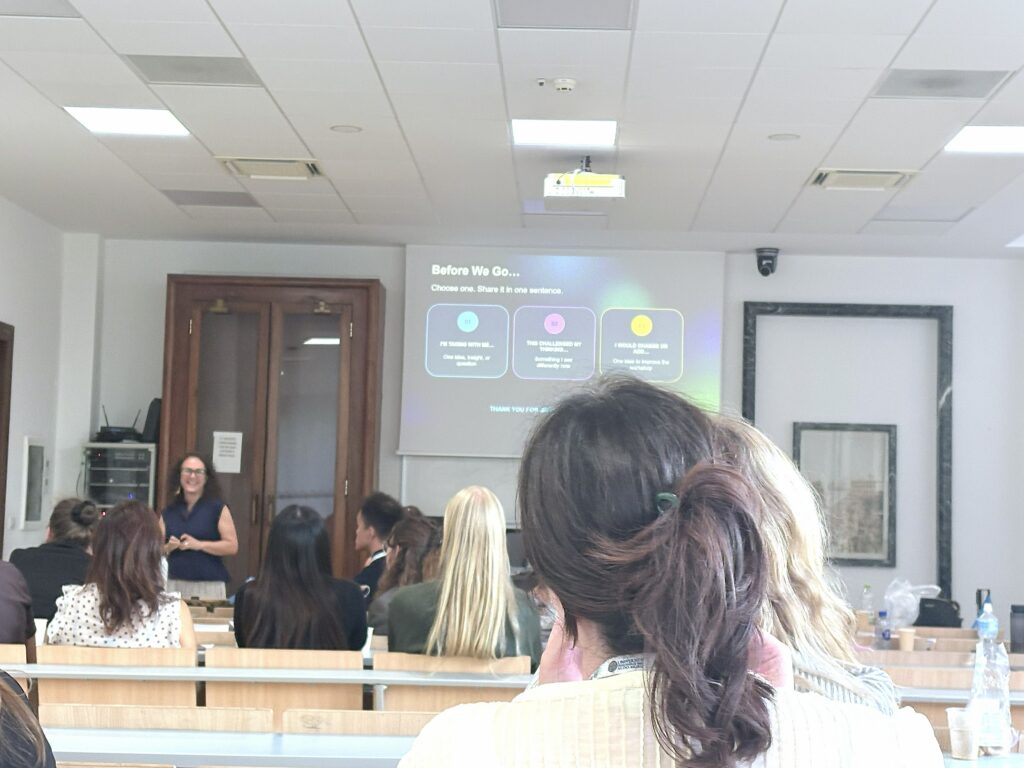
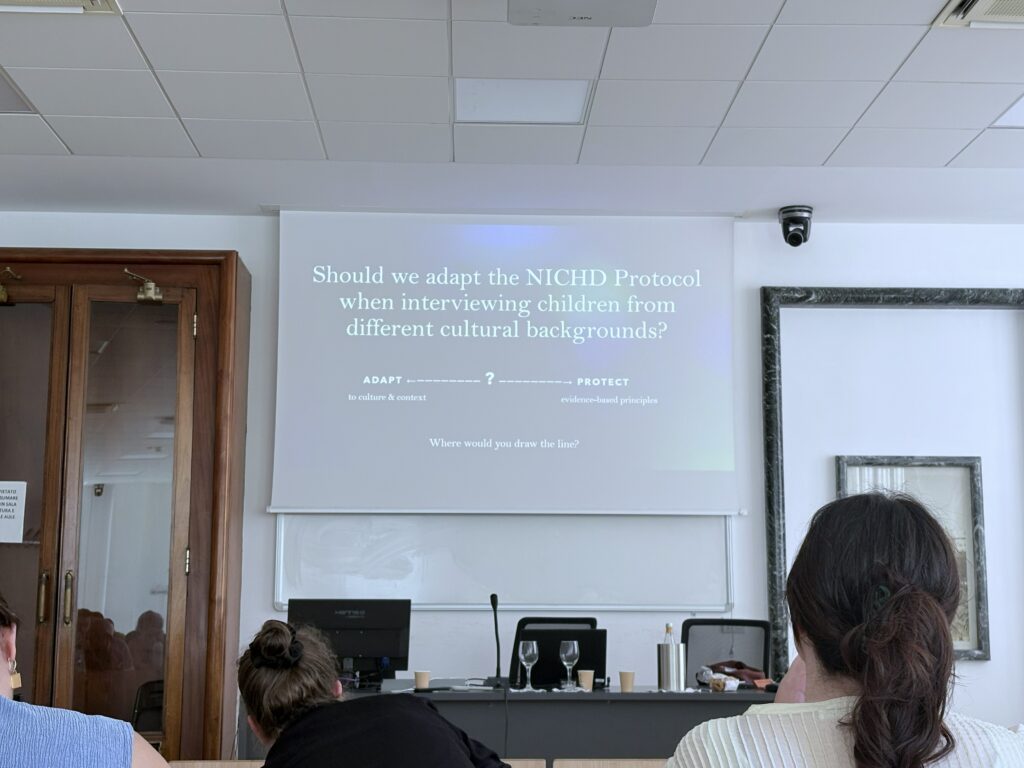
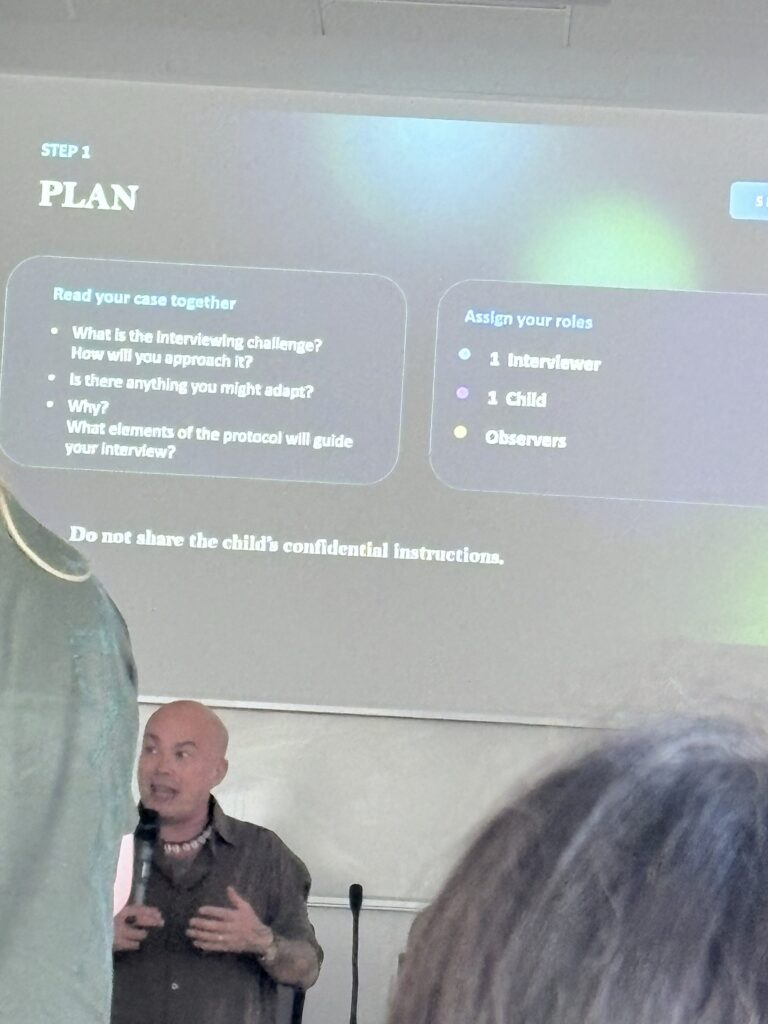
Doctoral researchers Siyu Li and Obed Appiah attended the pre-conference workshops on two important topics. Prof. Henry Otgaar (Maastricht University and KU Leuven) and Carolina Duque, a PhD researcher at KU Leuven, organised a workshop entitled “From Protocol to Practice: A Cross-Cultural Perspective on Forensic Child Interviewing”. The workshop explored cultural differences in implementing the NICHD Protocol in legal contexts. Prof. Otgaar described how child protection professionals in the Netherlands are trained to use the NICHD Protocol, while Carolina Duque presented how it is applied in Chile. Participants were also divided into groups to discuss how cultural factors may influence the Protocol, formulate appropriate open-ended questions, and conduct mock child interviews through role-playing exercises.
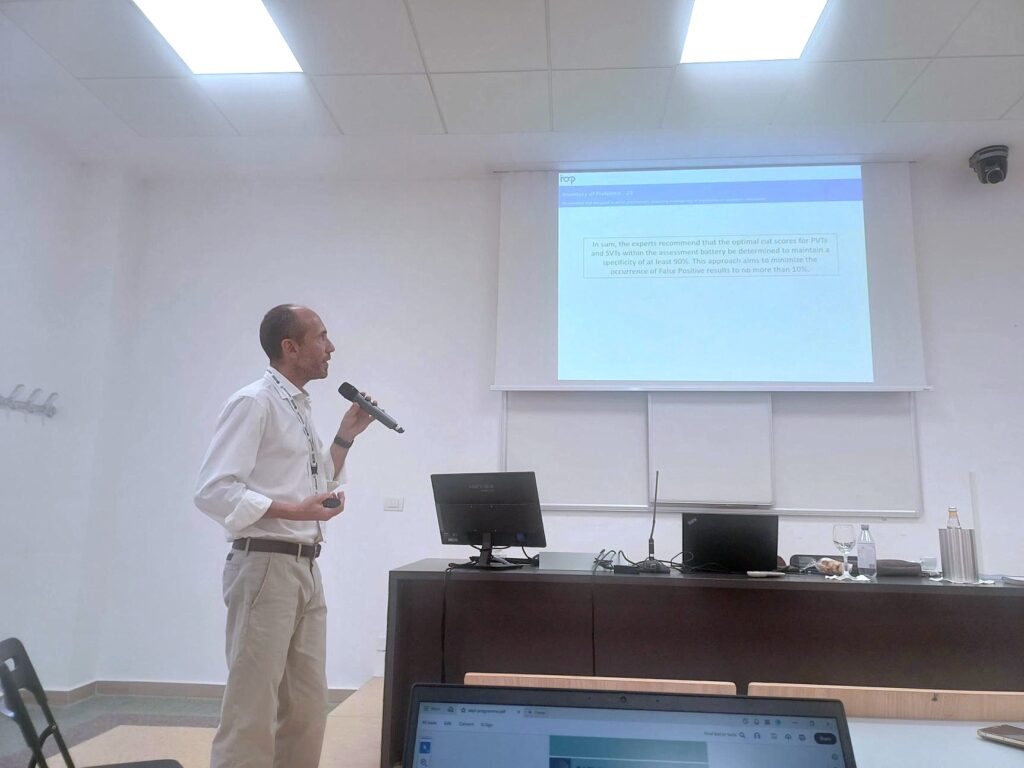
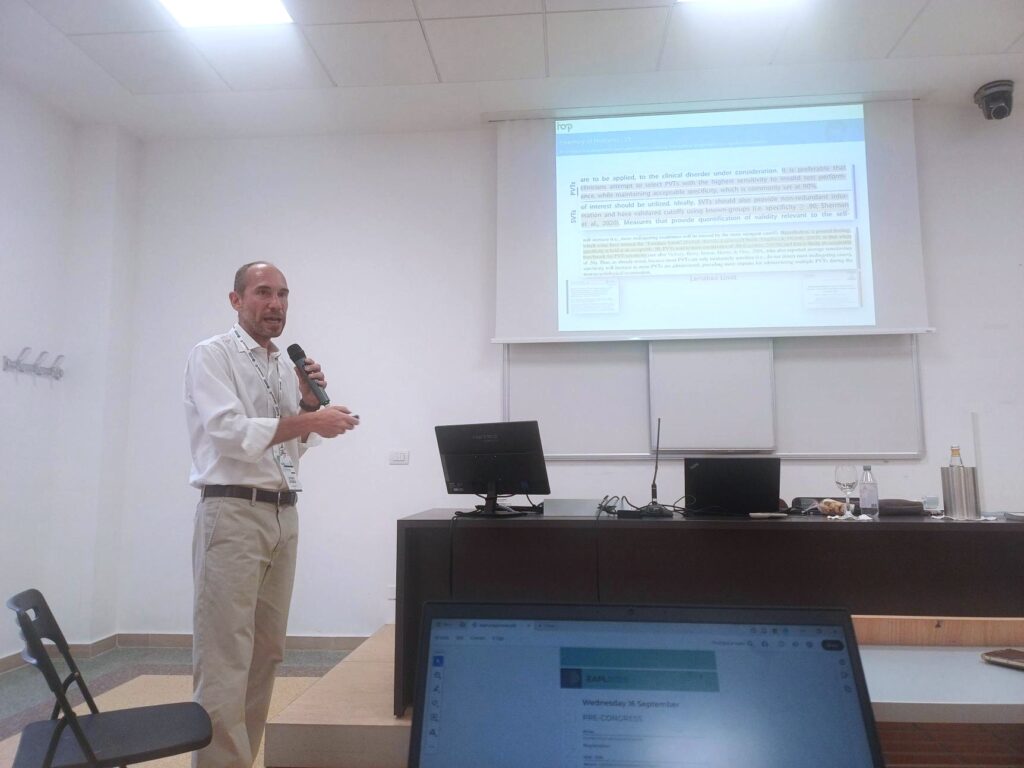
The second workshop, entitled “Assessing the Credibility of Clinical and Forensic Presentations: An Introduction to the Inventory of Problems–29 (IOP-29) and its Memory module (IOP-M)”, was led by Prof. Luciano Giromini (University of Turin). Prof. Giromini introduced participants to the theoretical foundations of malingering assessment and discussed the challenges associated with measuring instruments. He explained that recent developments seek to integrate Symptom Validity Tests (SVTs), which assess the credibility of self-reported symptoms, with Performance Validity Tests (PVTs), which evaluate the credibility of observed cognitive performance. He then presented the Inventory of Problems (IOP) instruments, developed by him and his collaborators to assess whether a person is exaggerating psychological symptoms in a clinical presentation. Participants had the opportunity to complete sample assessments and learn how the results are interpreted in clinical contexts.
 workshop presentation
- workshop presentation
- Prof. Otgaar at the workshop
- Prof. Giromini at the workshop
- Prof. Giromini at the workshop
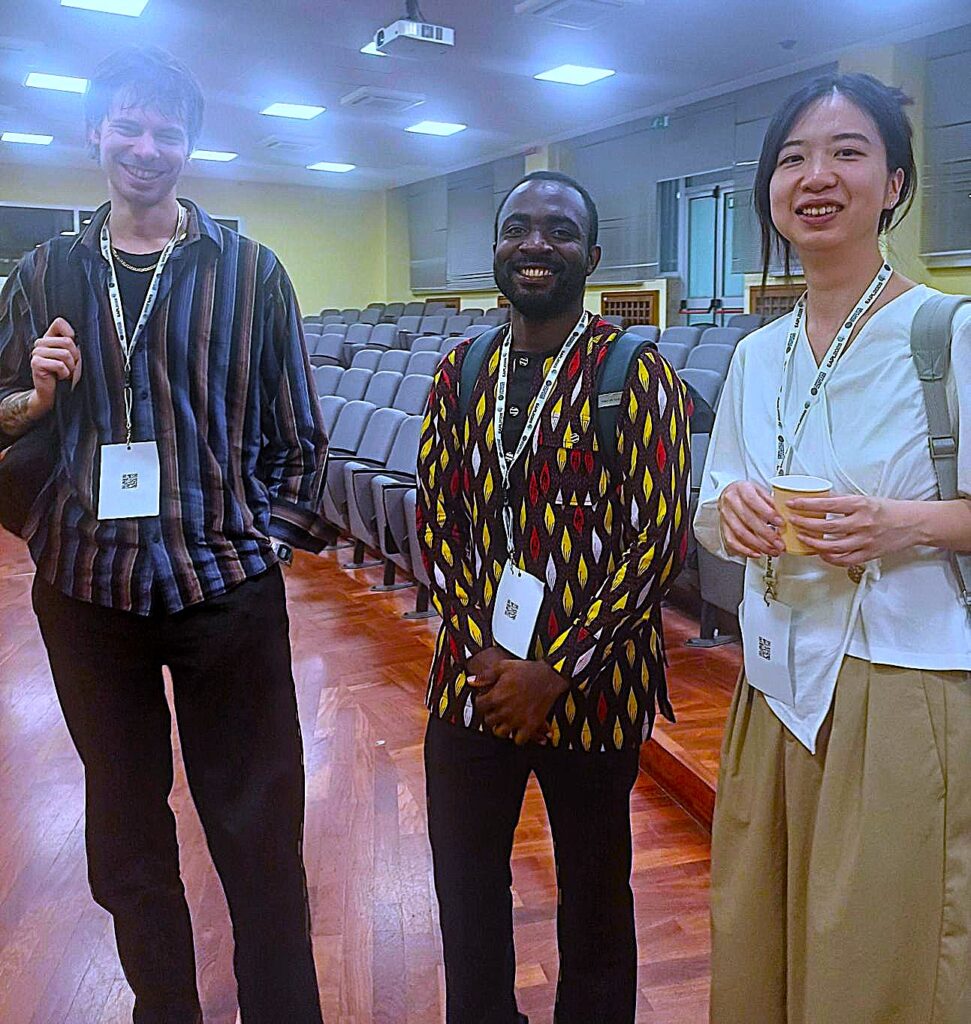
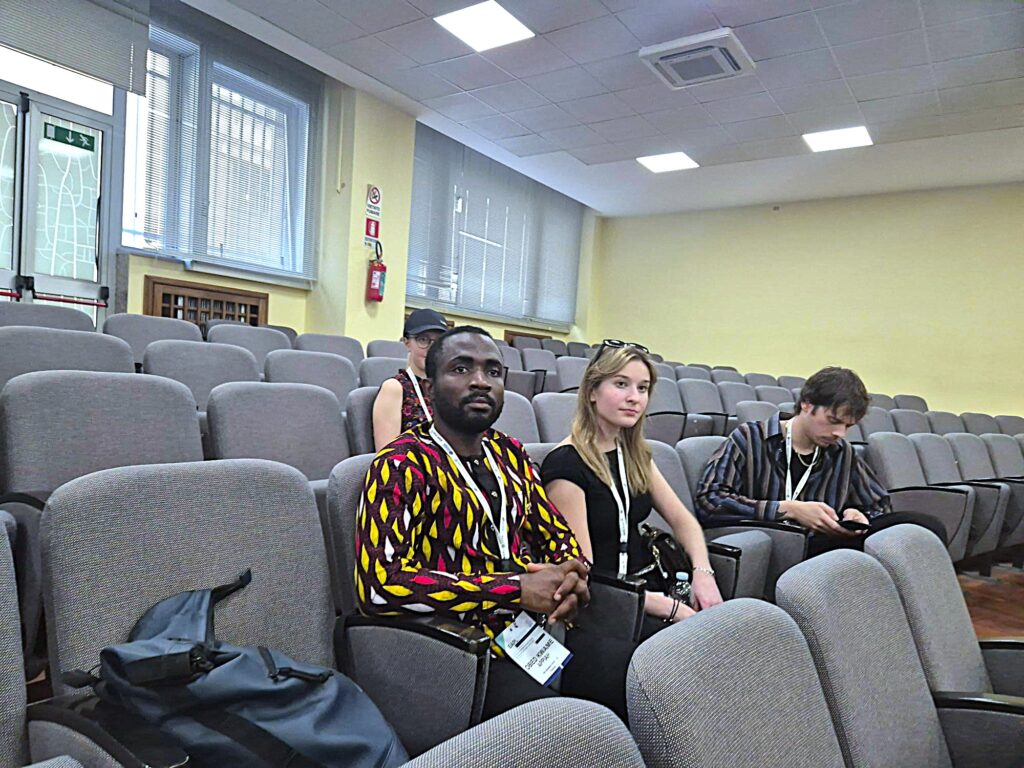
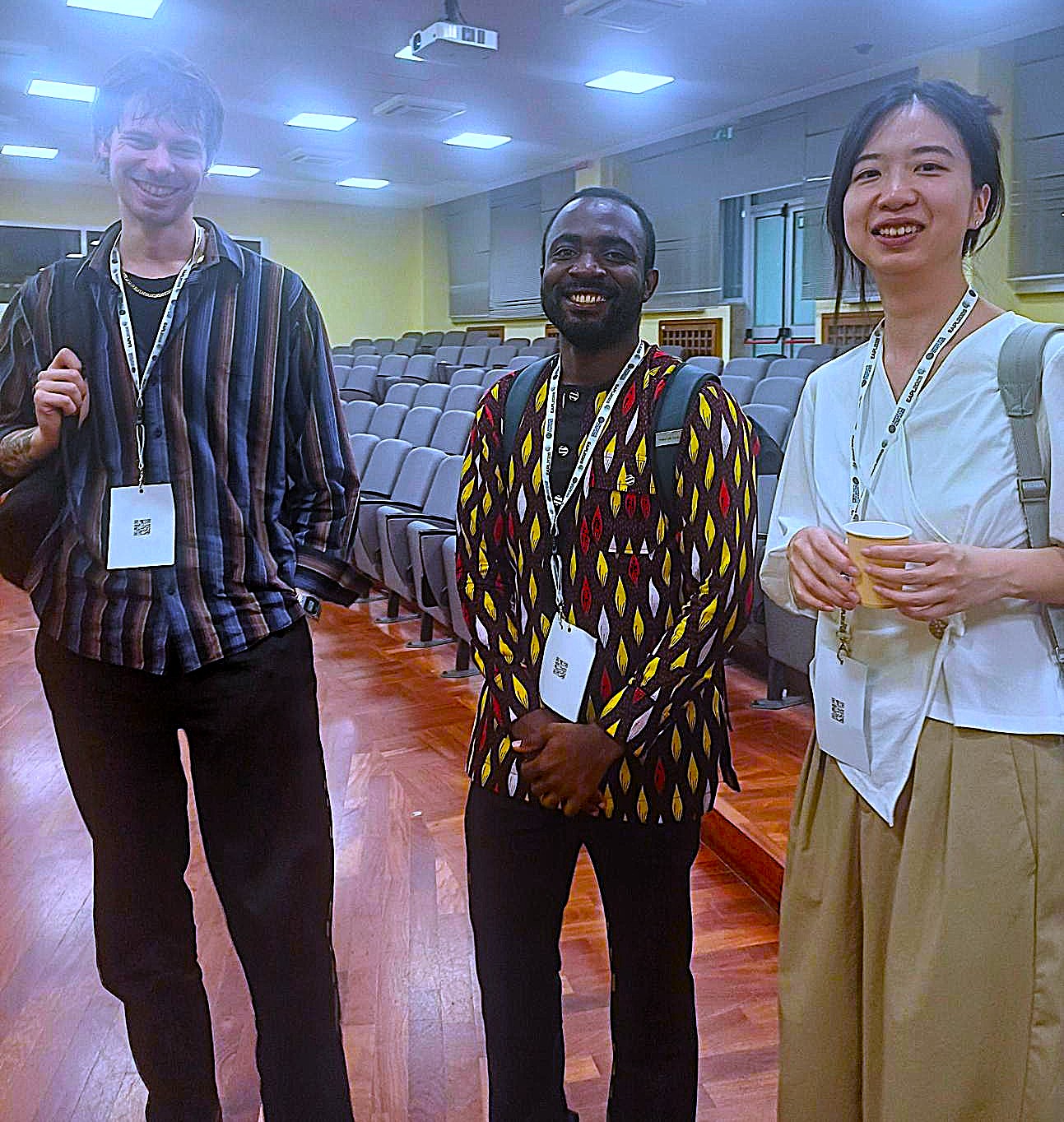
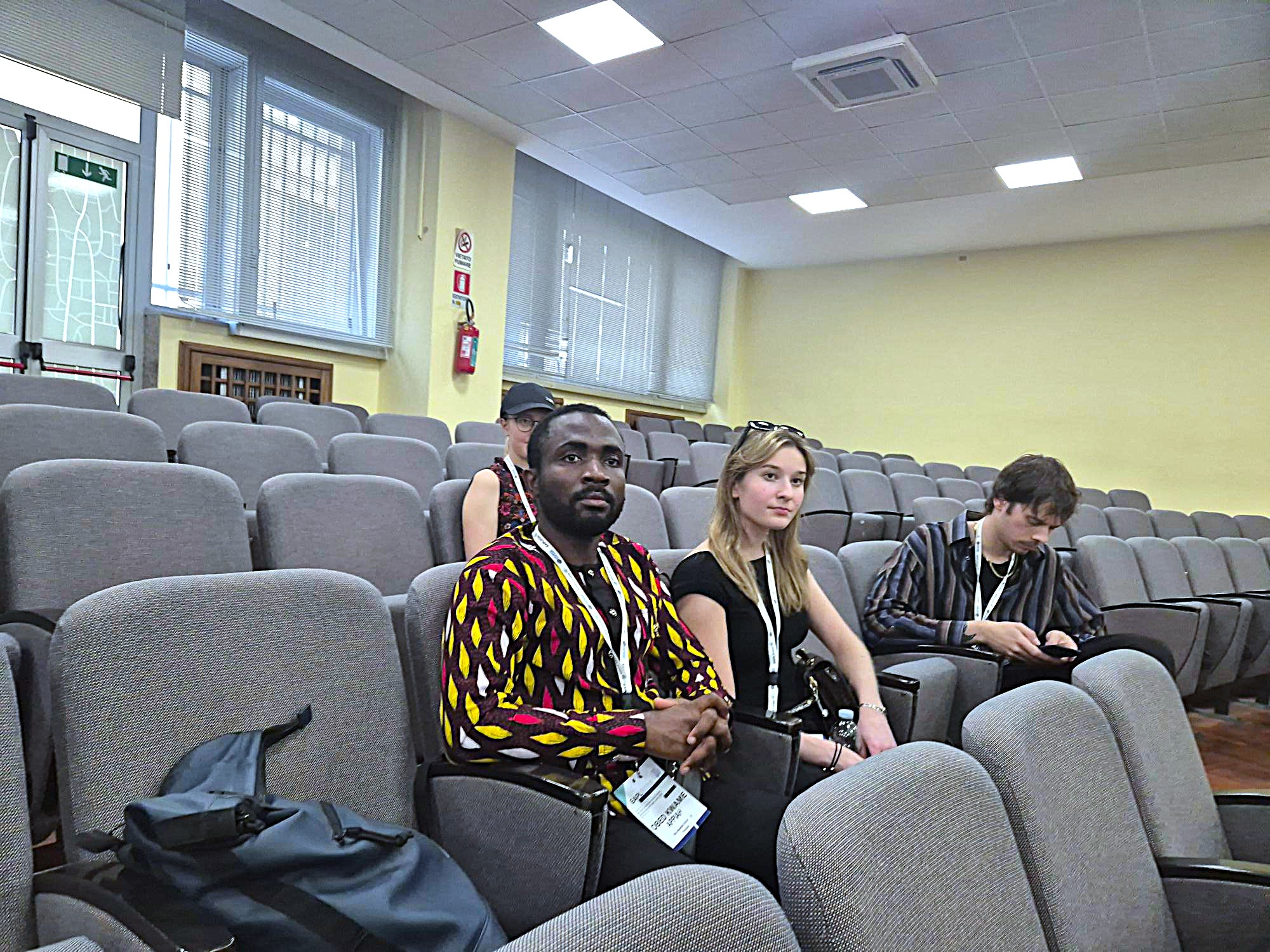
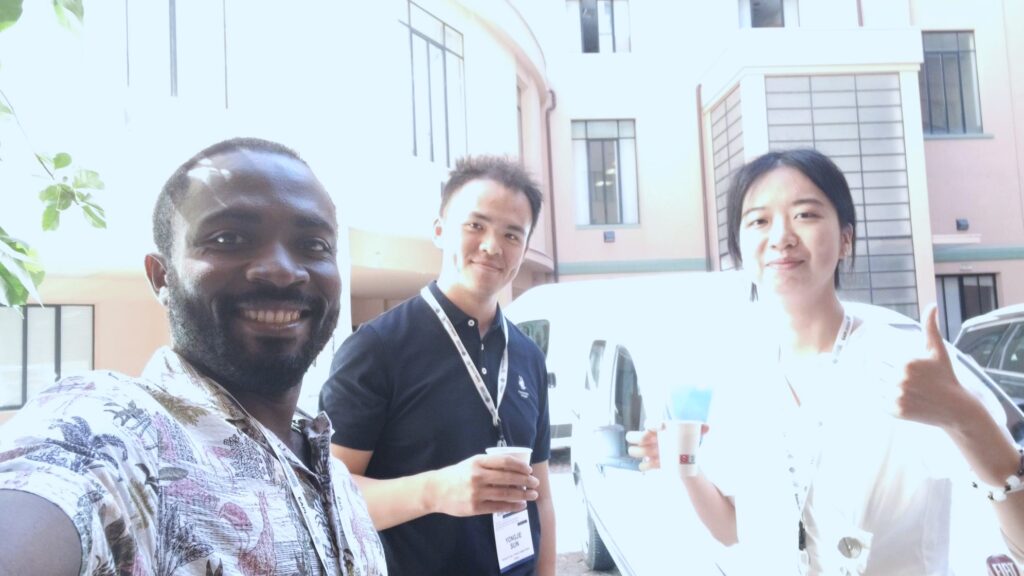
- Obed, Yongjie and Siyu at the workshop
Keynote Addresses
Keynote speakers included Prof. Kimberley Wade (University of Warwick), who presented “30 Years of Creating False Beliefs and Memories in the Lab. What have we learned?”; Judge Cuno Tarfusser (former judge of the International Criminal Court) spoke on “The narrow path between the assessment of dubious oral evidence and the threshold of proof beyond reasonable doubt”; Prof. Cristina Scarpazza (University of Padova) discussed ” Cognitive Psychology and Psychopathology: The impact of Cognitive Bias in Expert Witness Decision Making”; and Prof. Kostas Fanti (University of Cyprus) examined “Neuroscience-Informed, Technology-Enhanced Interventions for Antisocial Behavior and Emotional Disorders”.
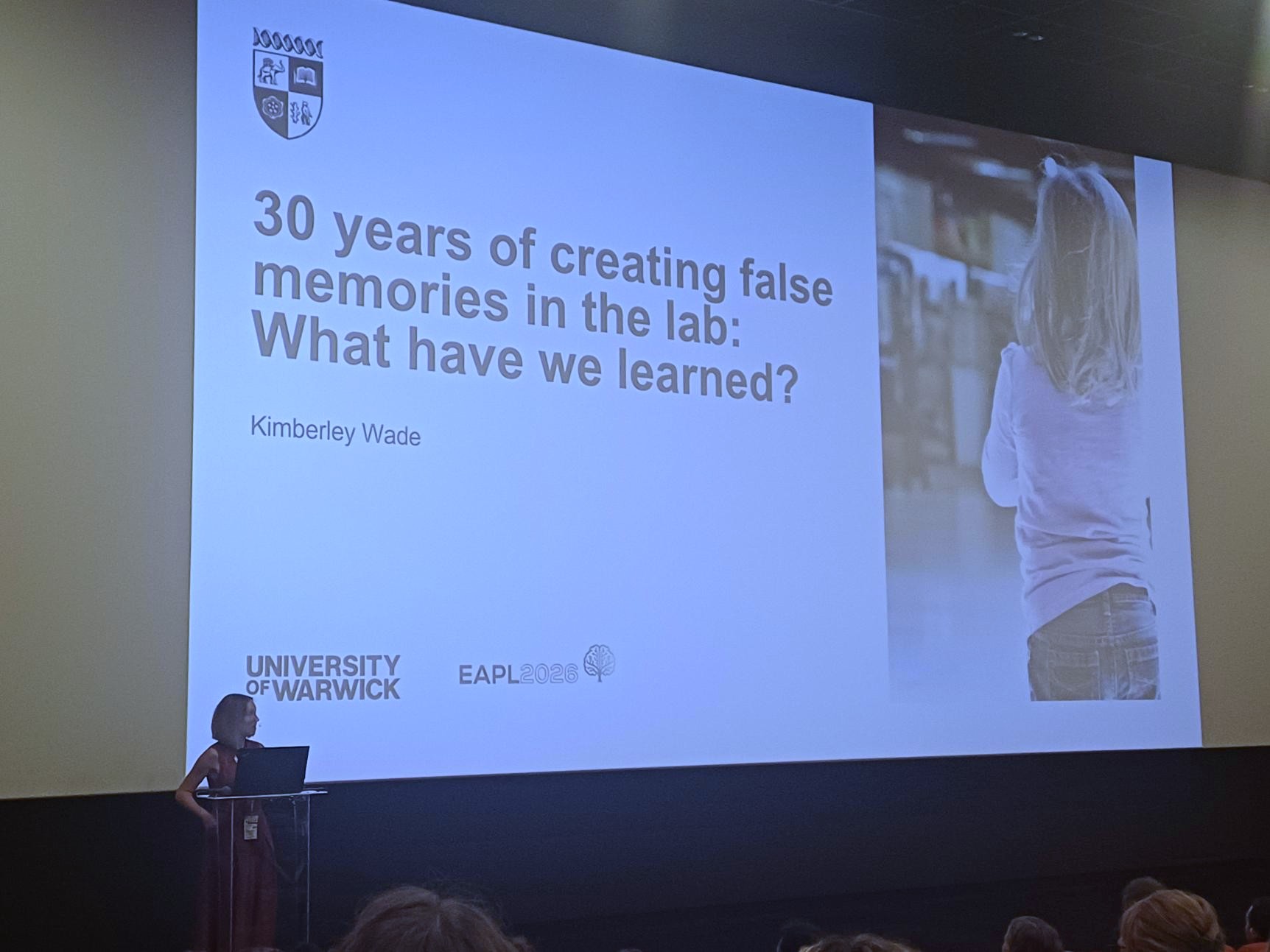 Prof. Wade’s keynote
 Judge Tarfusser’s keynote
Asylum Symposium
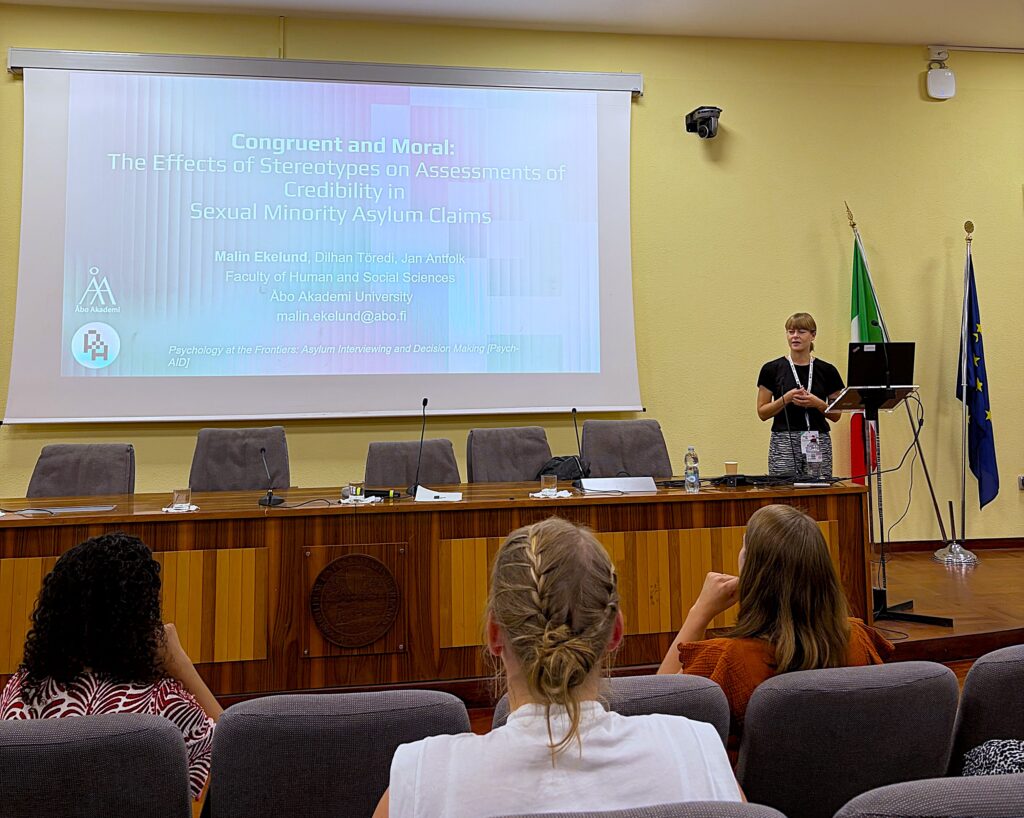
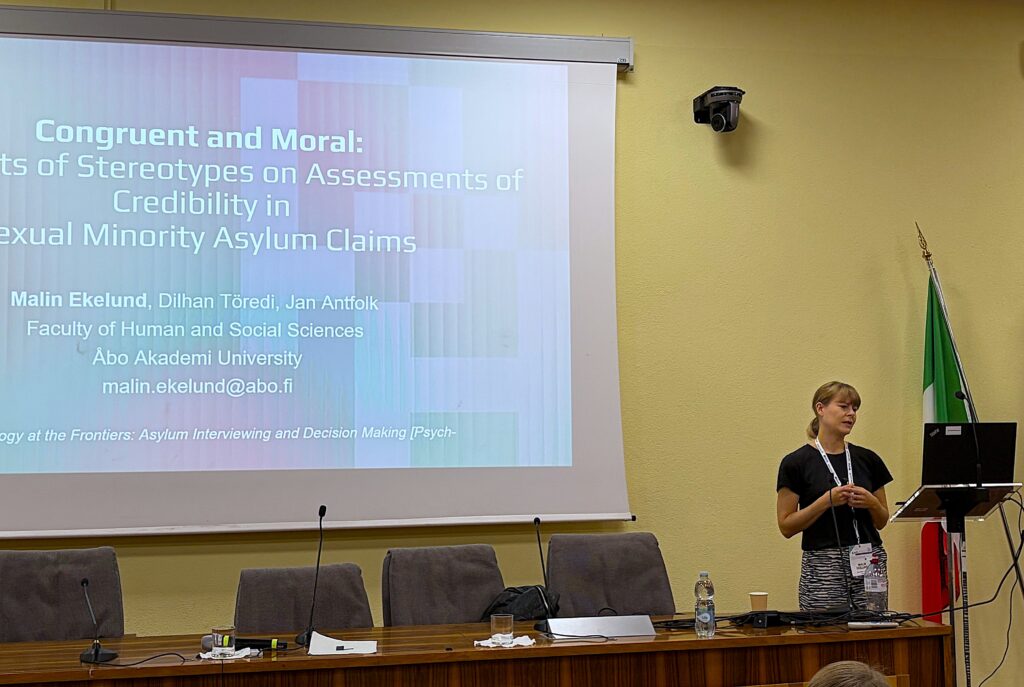
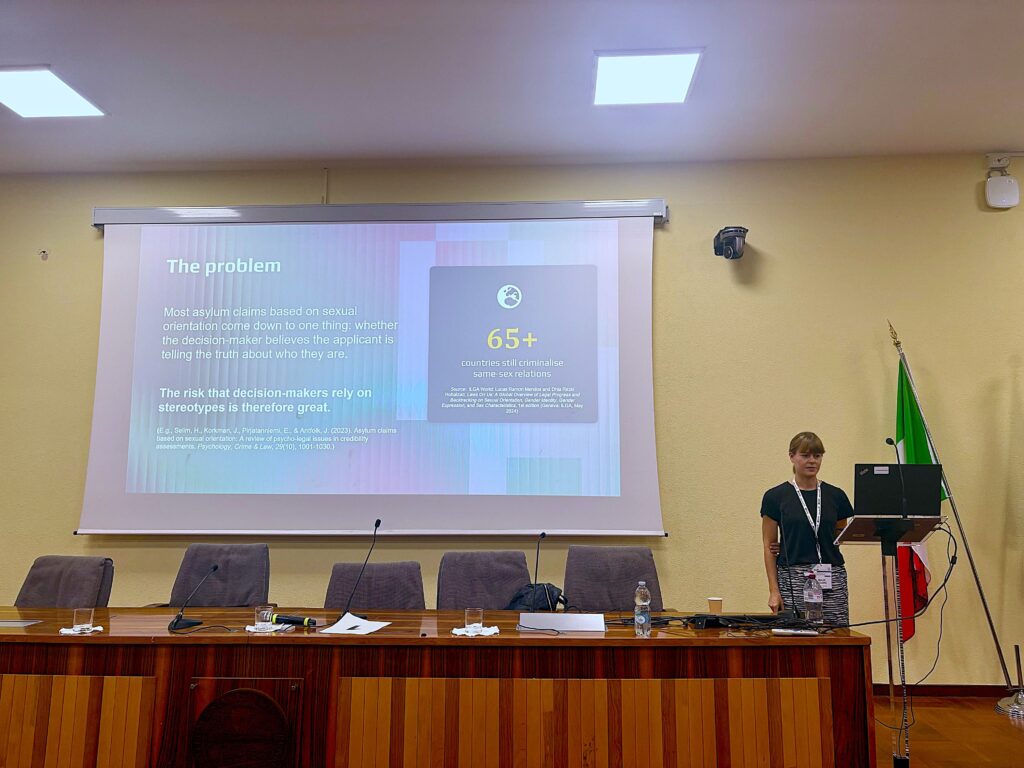
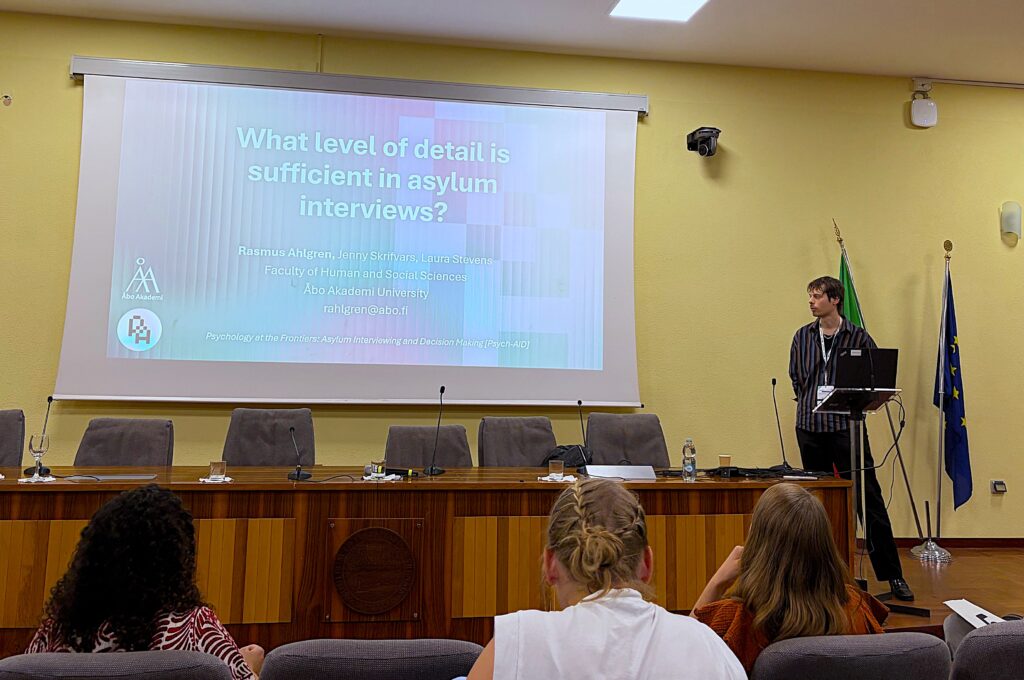
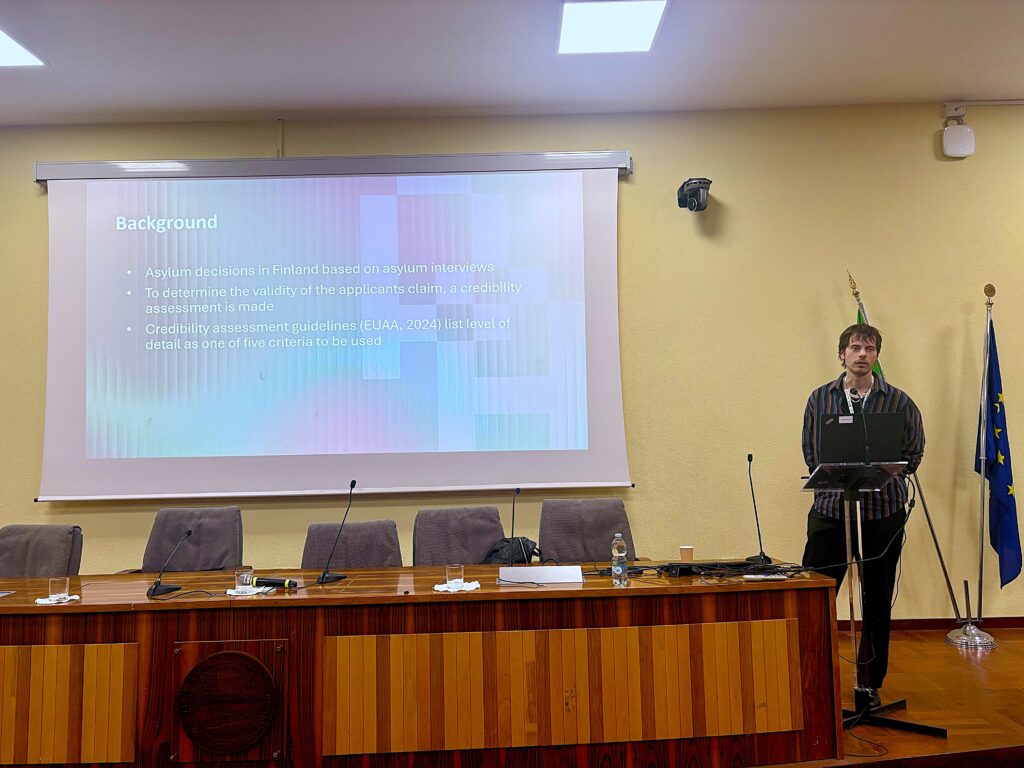
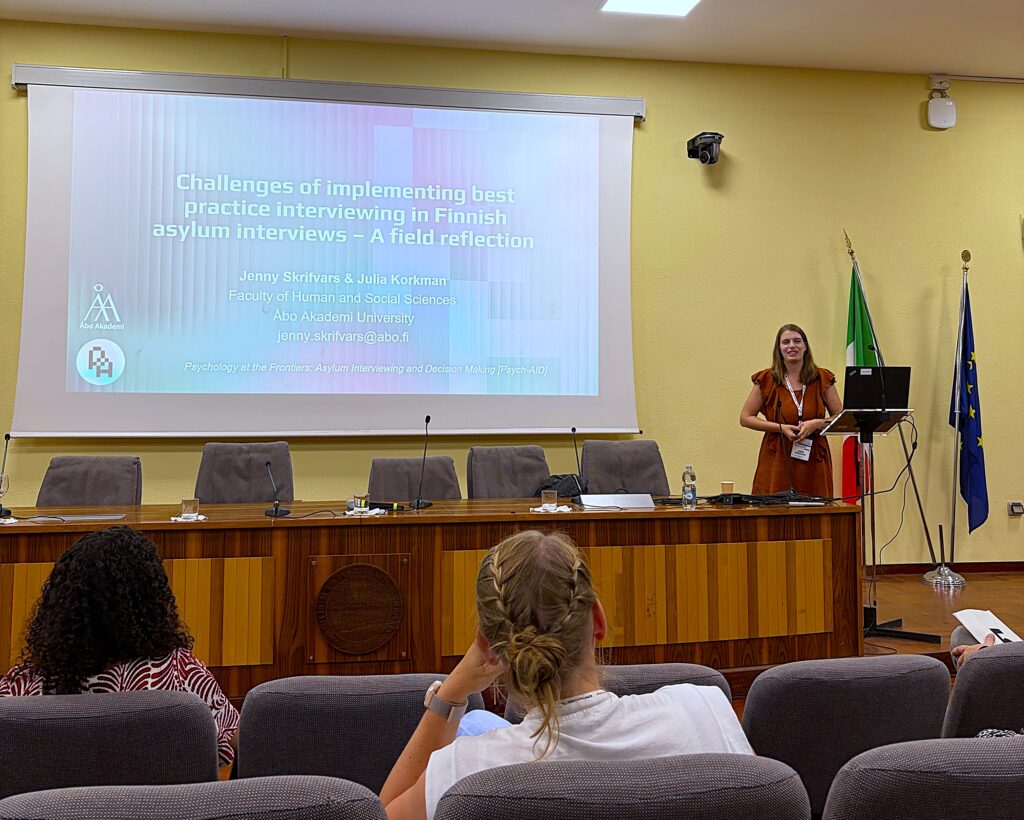
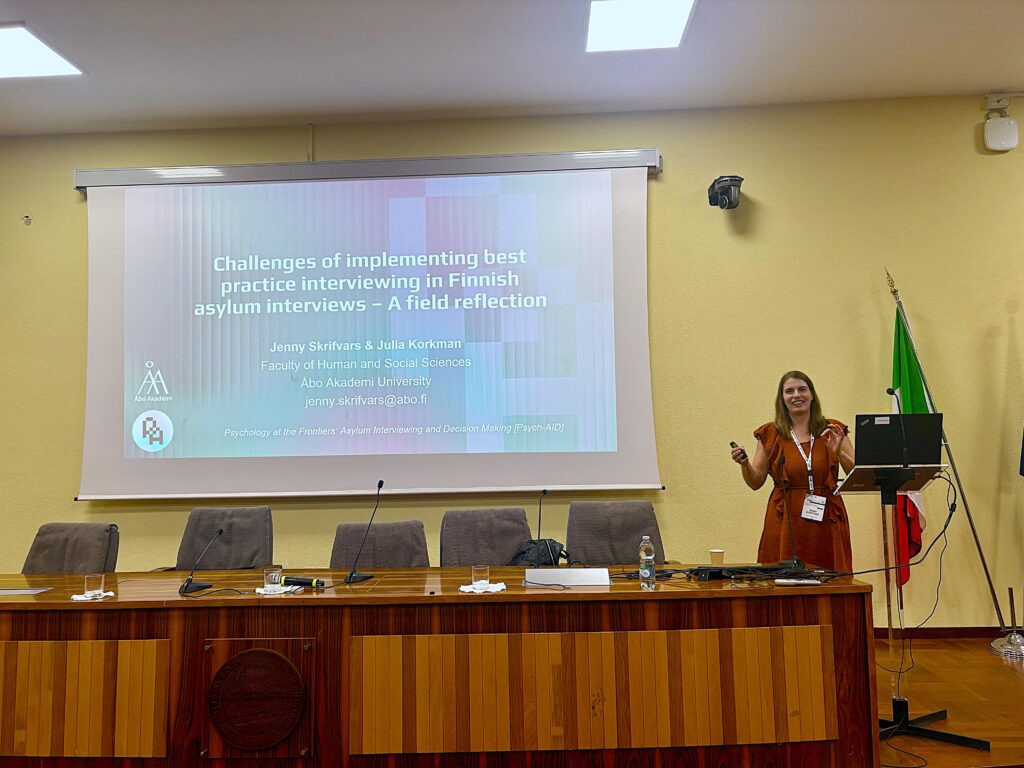
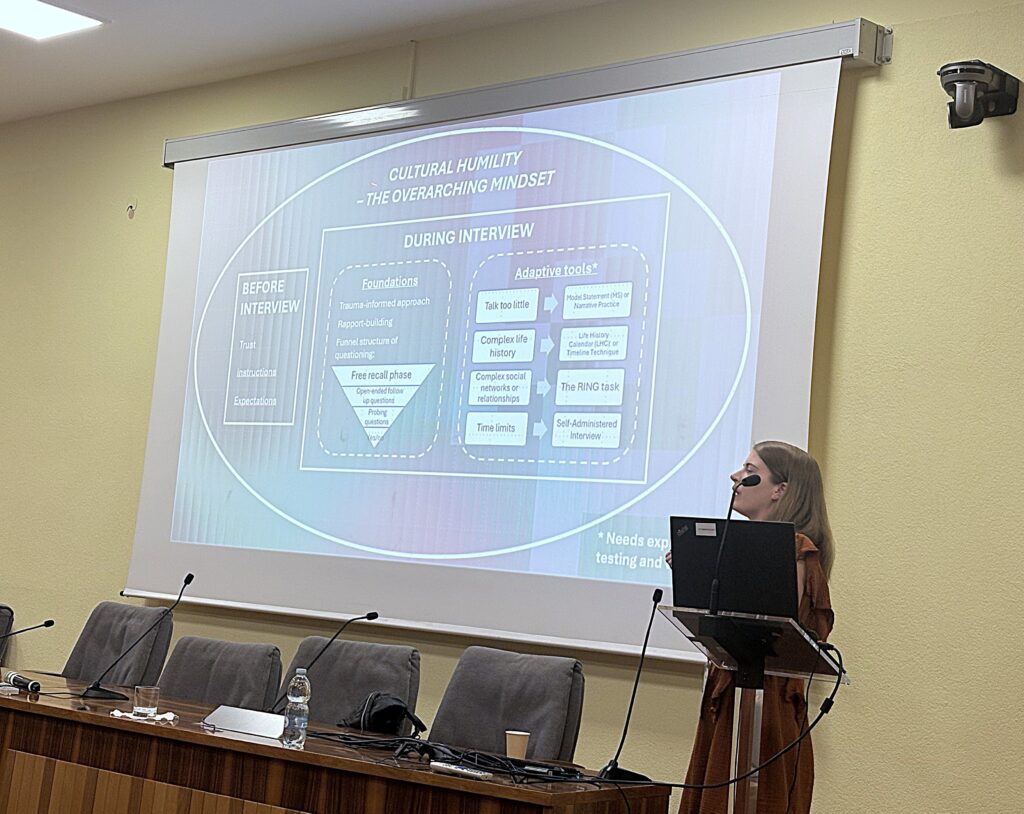
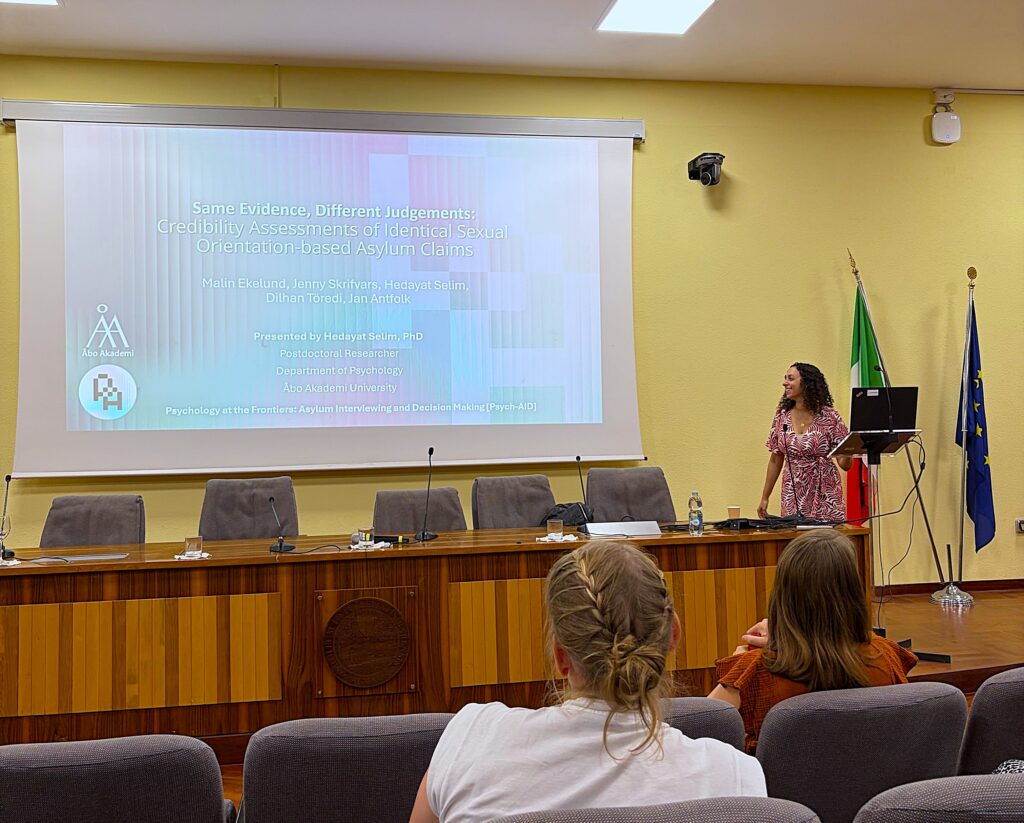
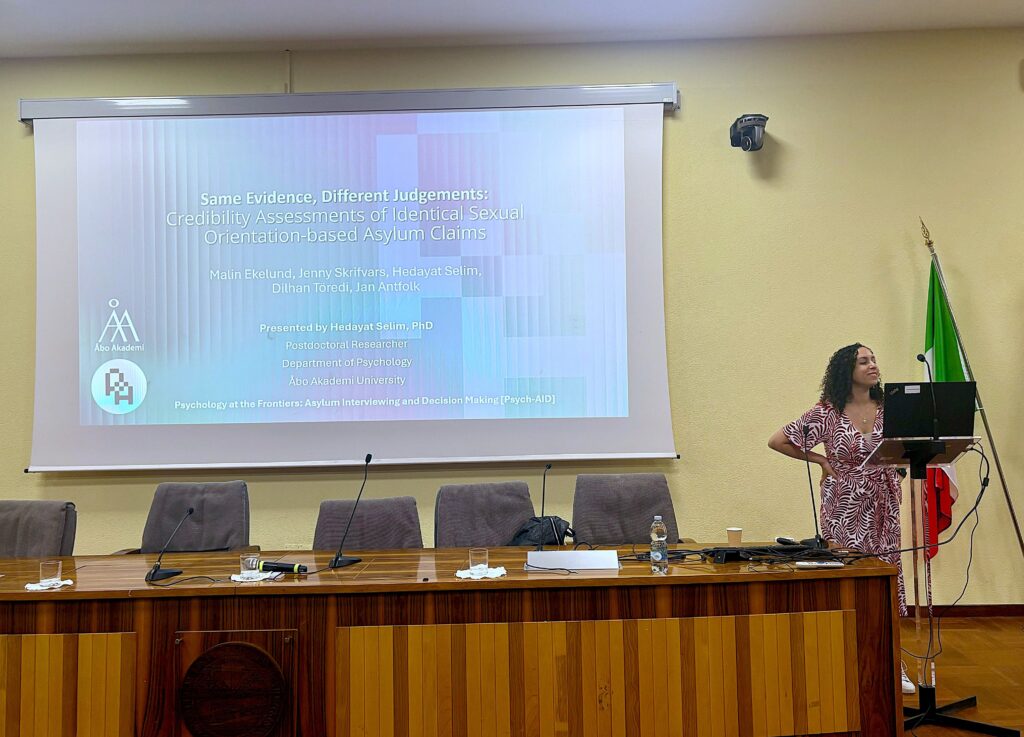
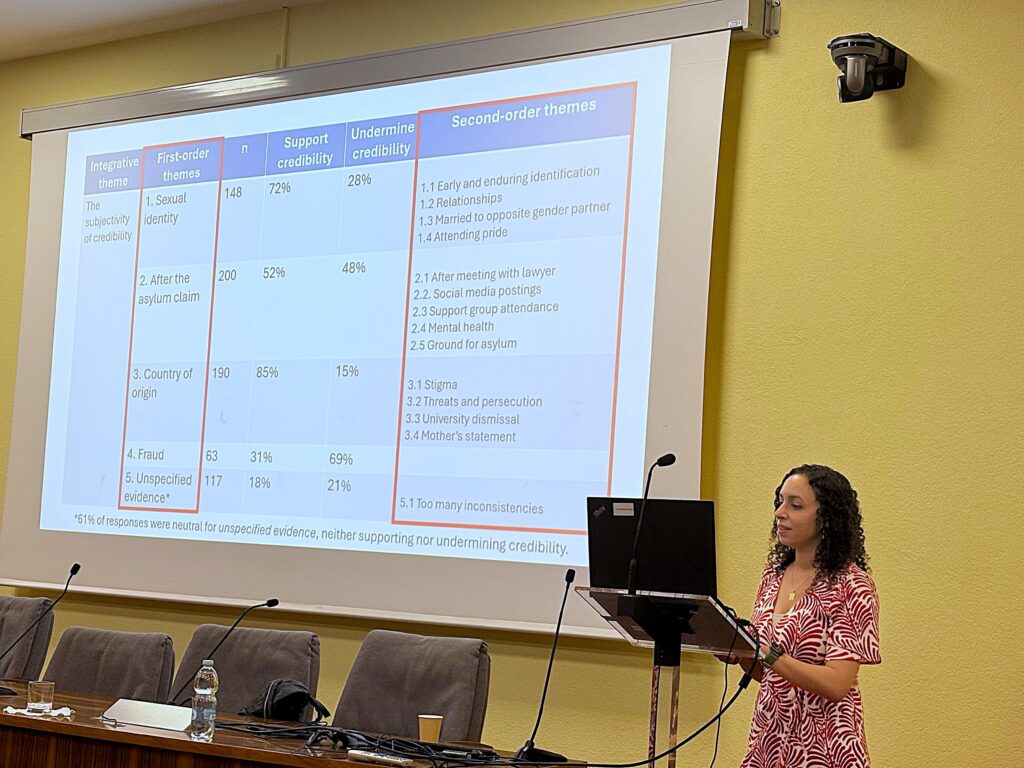
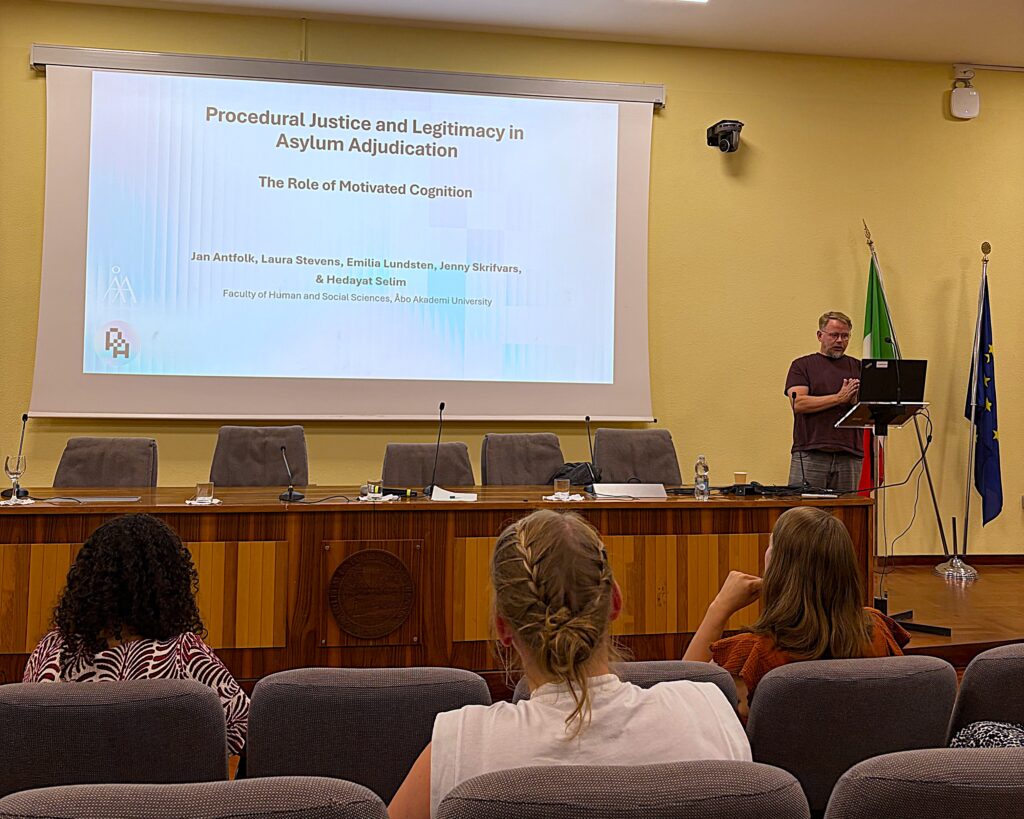
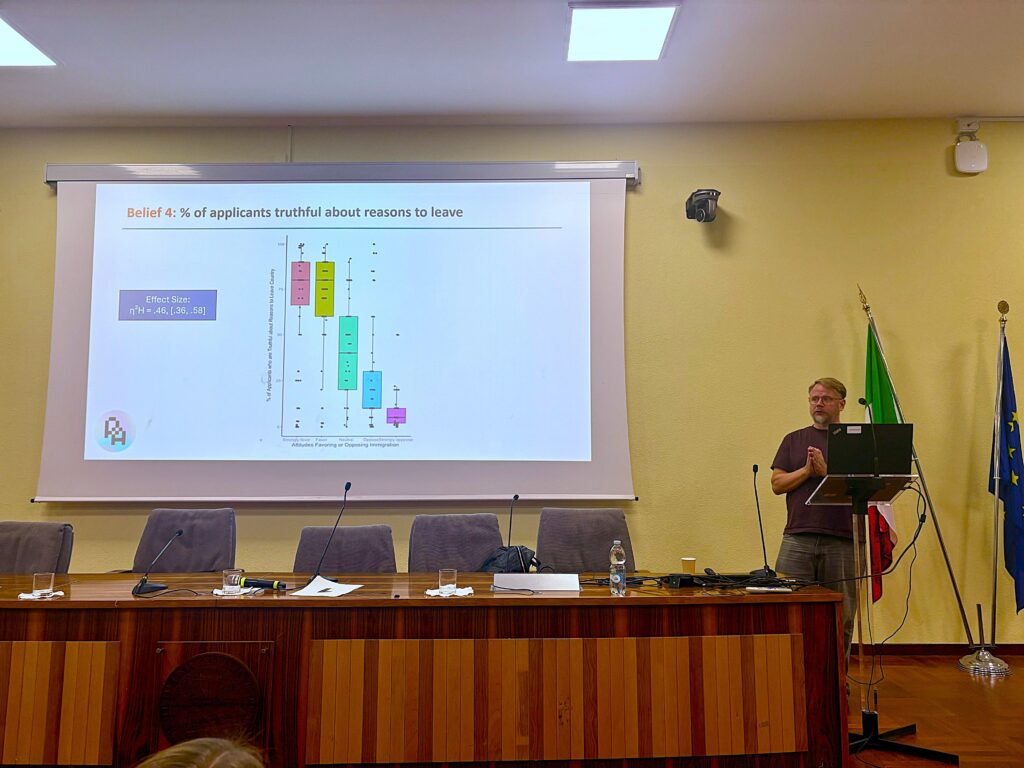
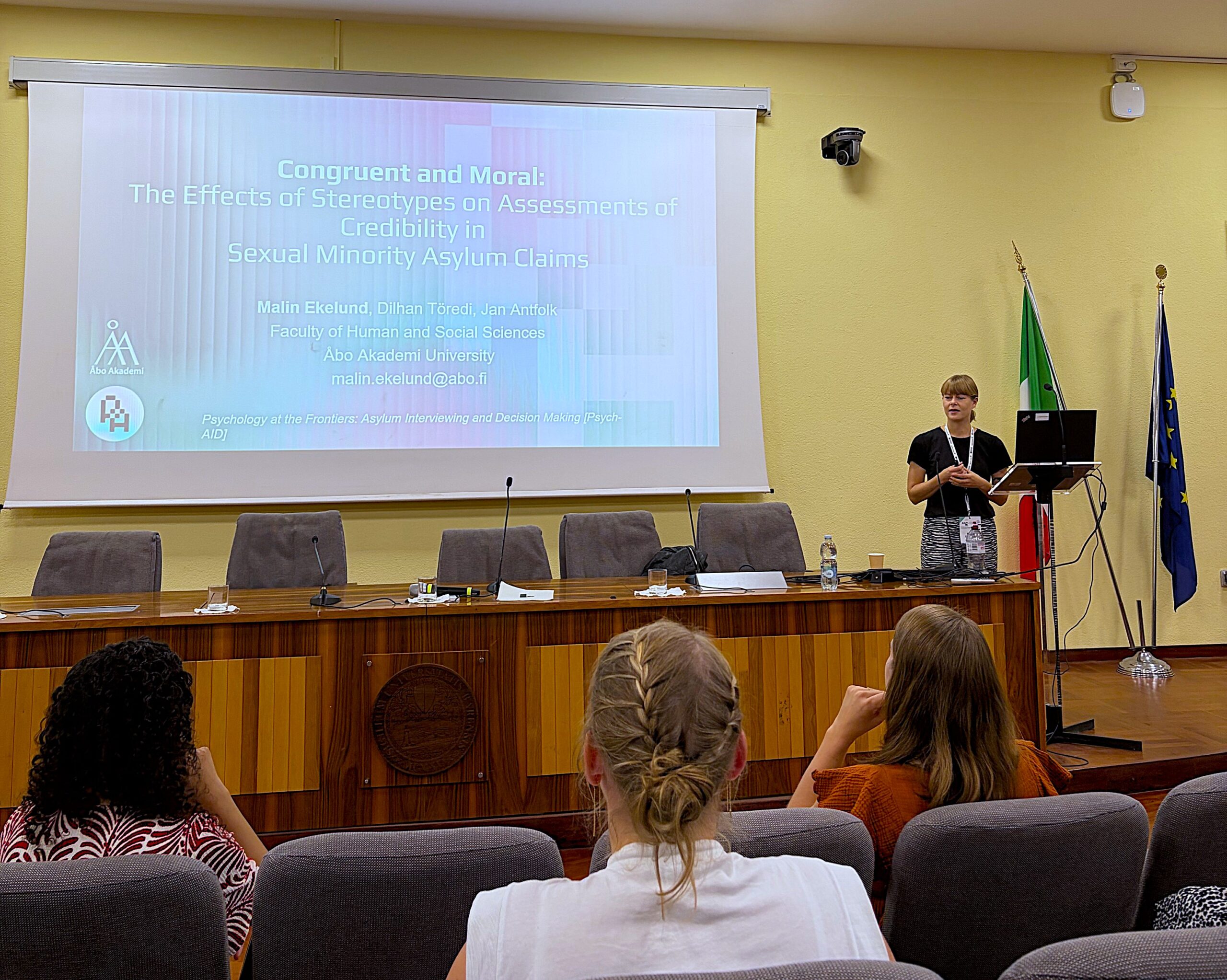
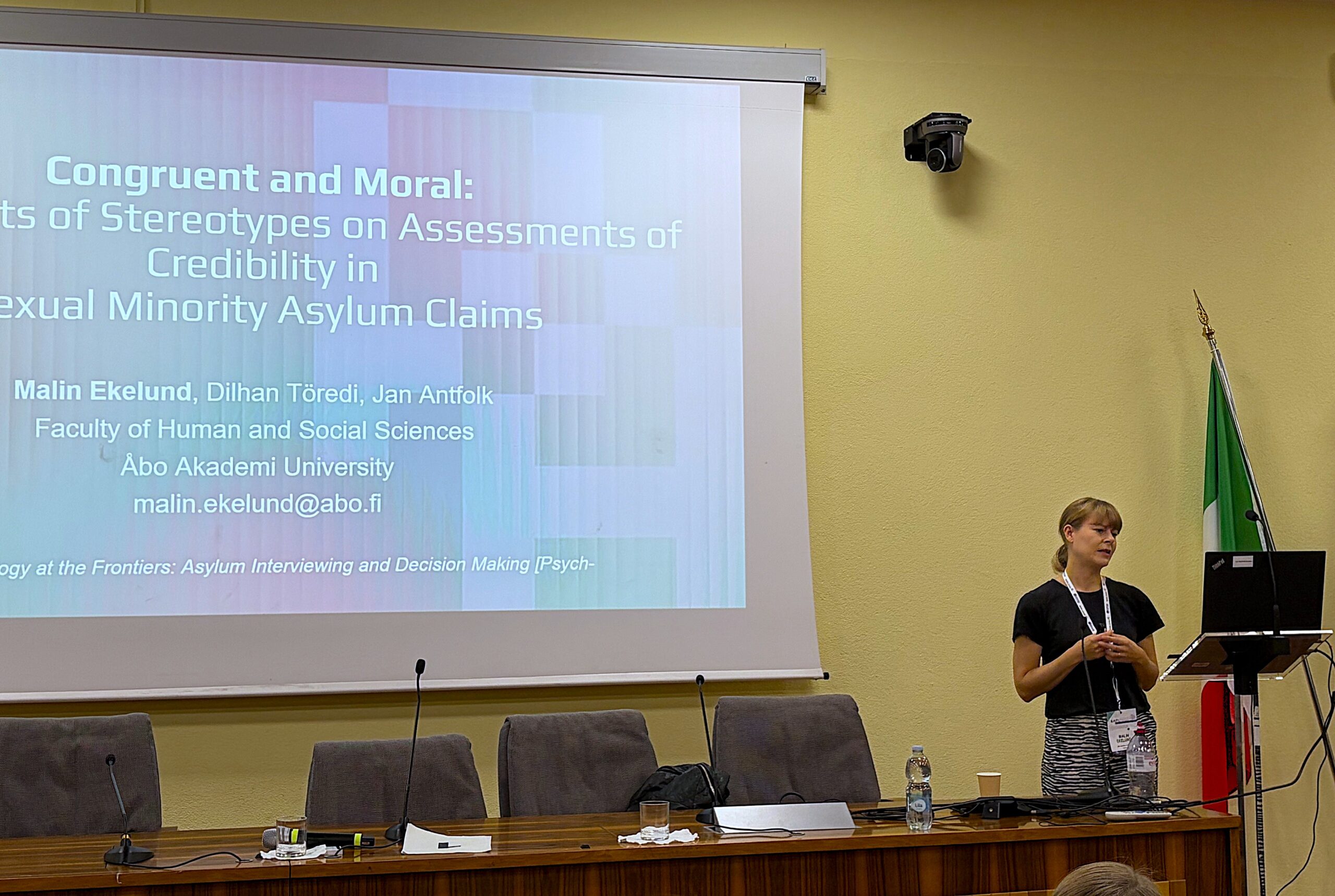
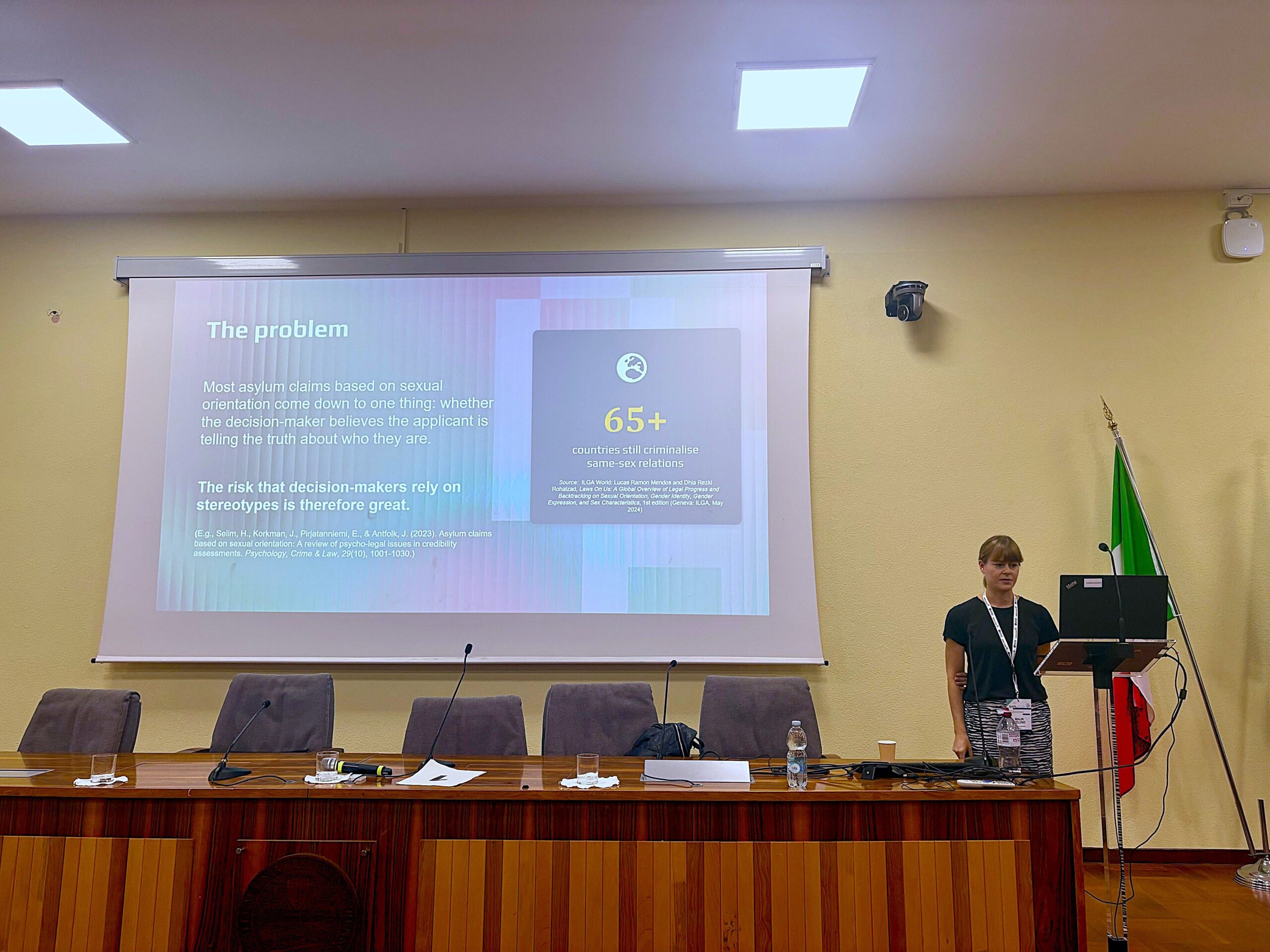
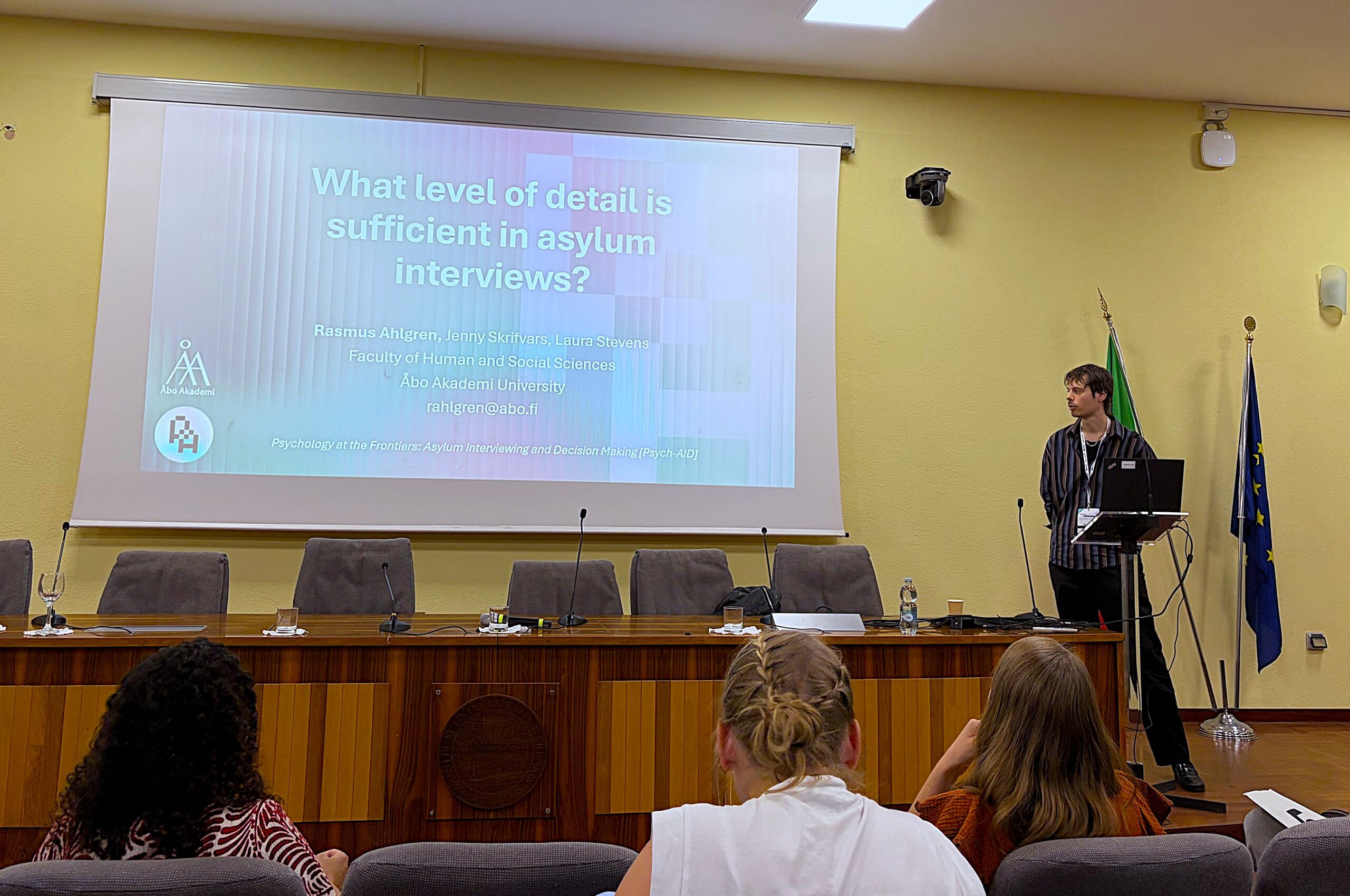
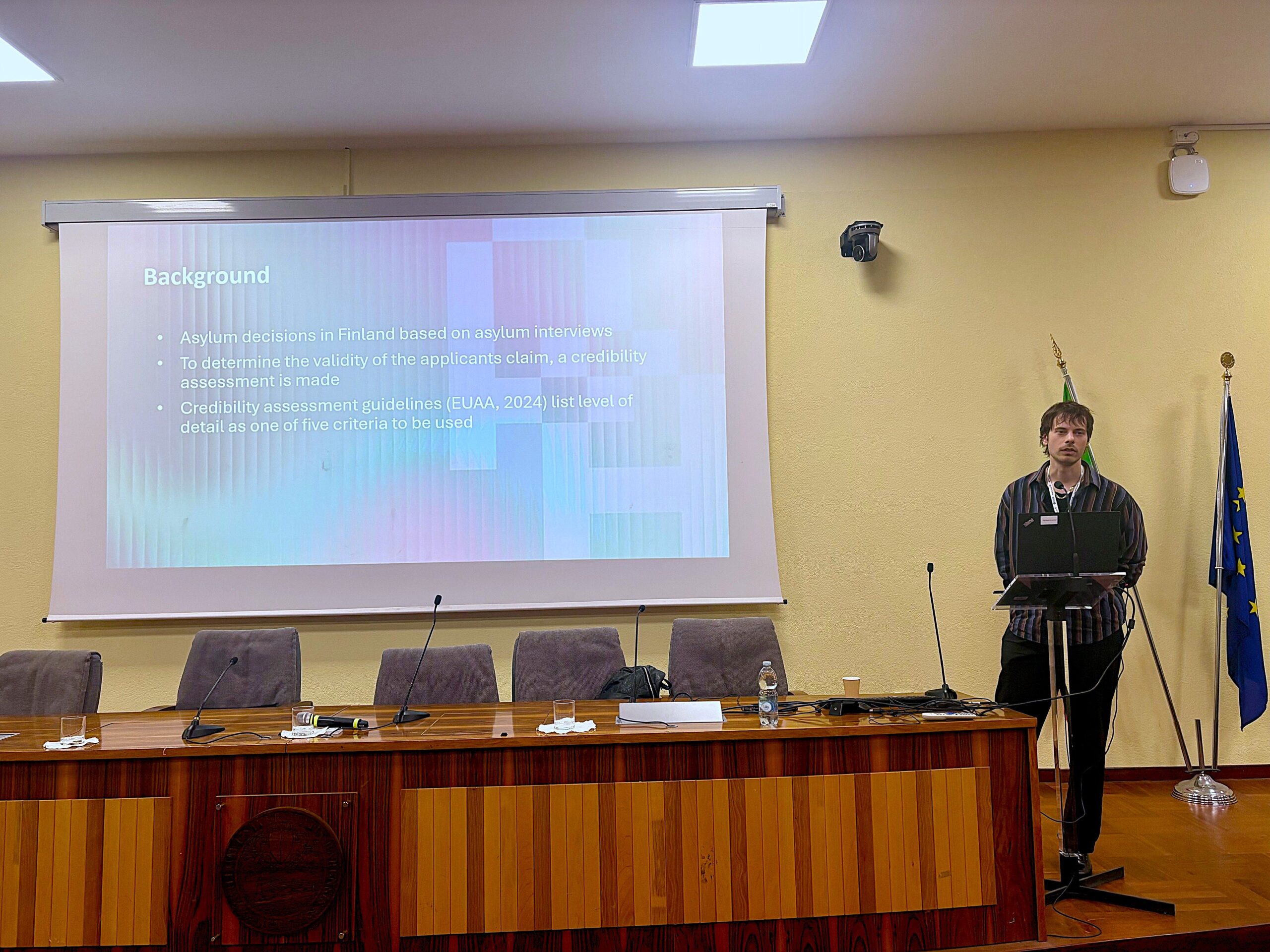
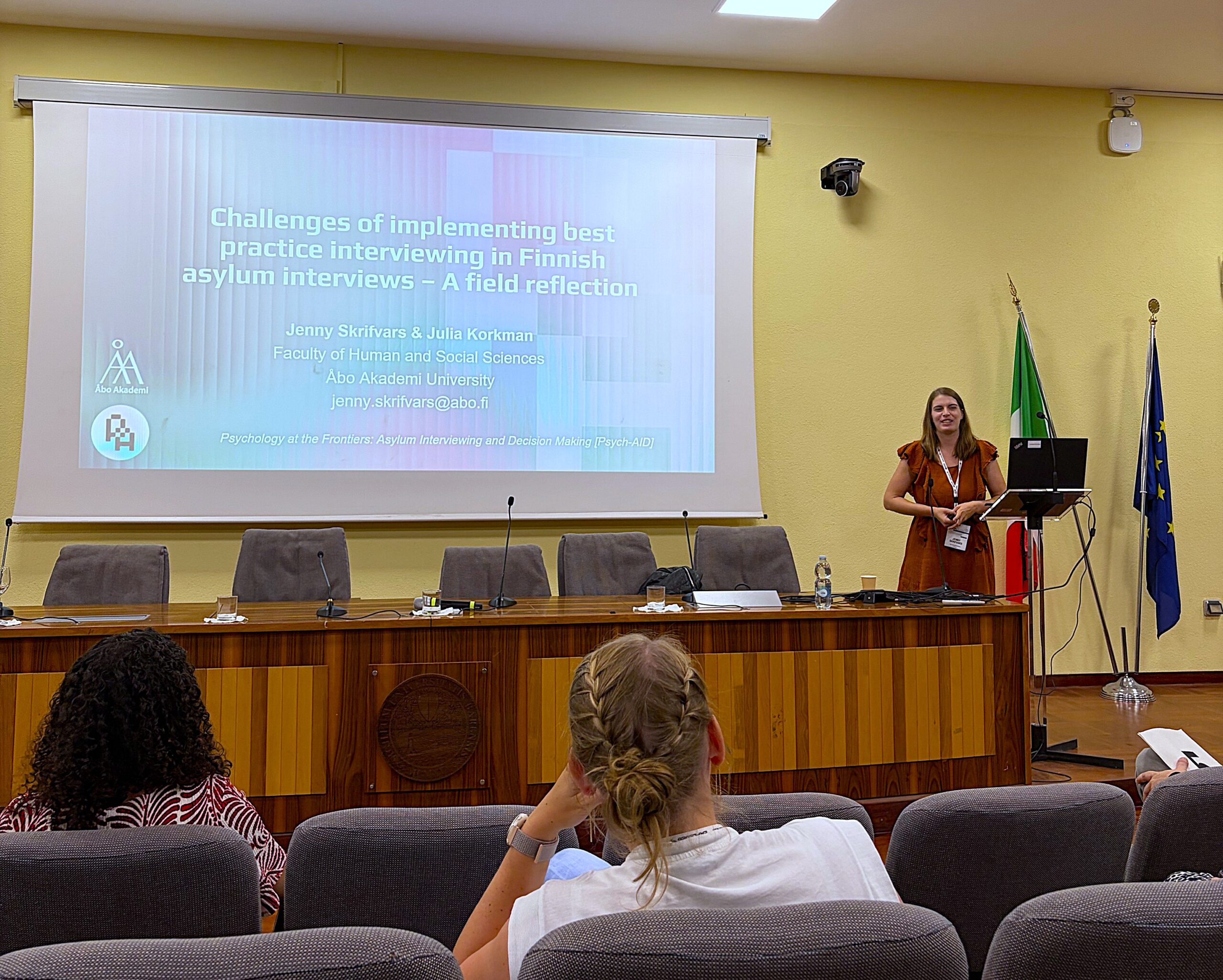
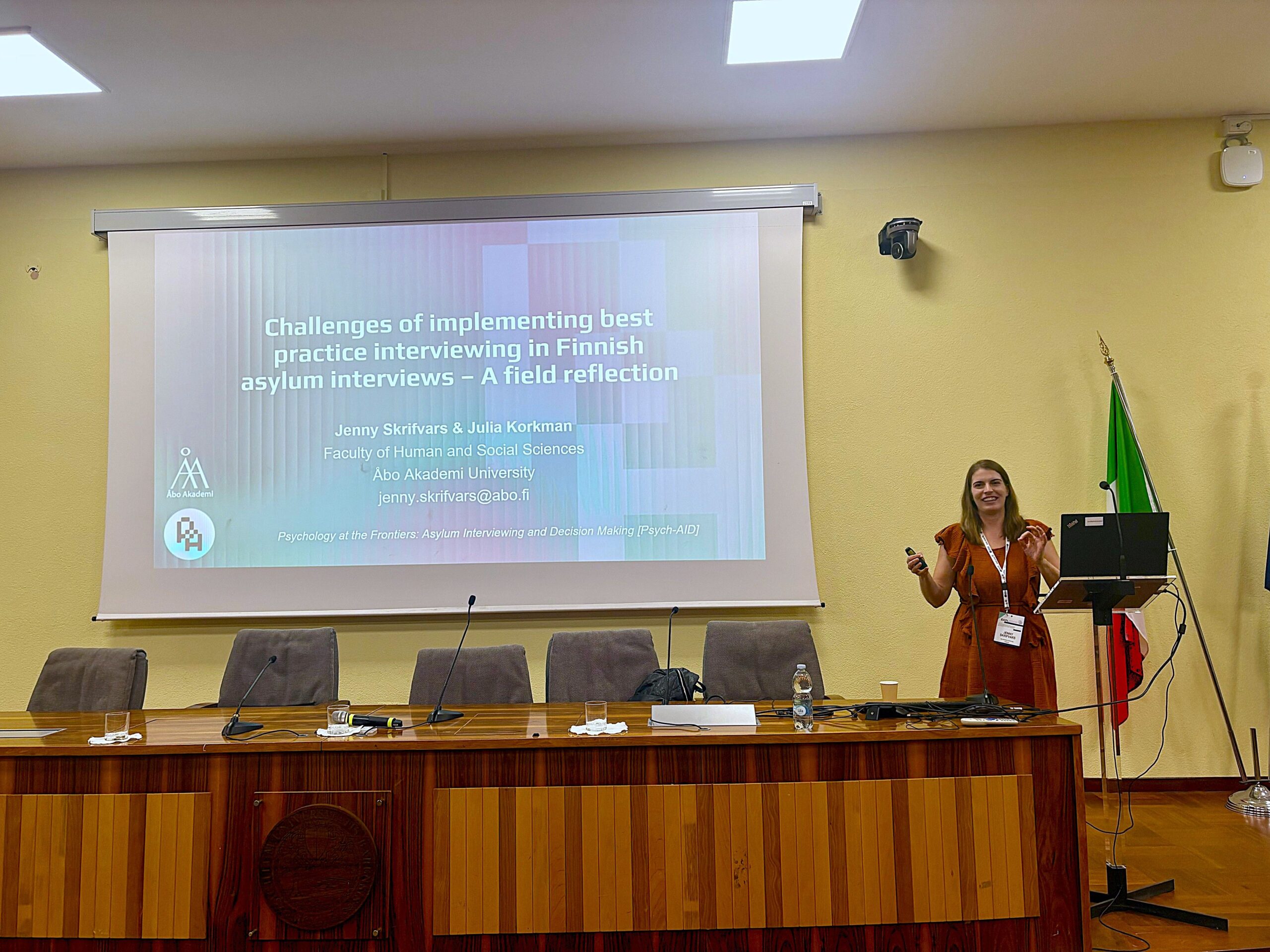
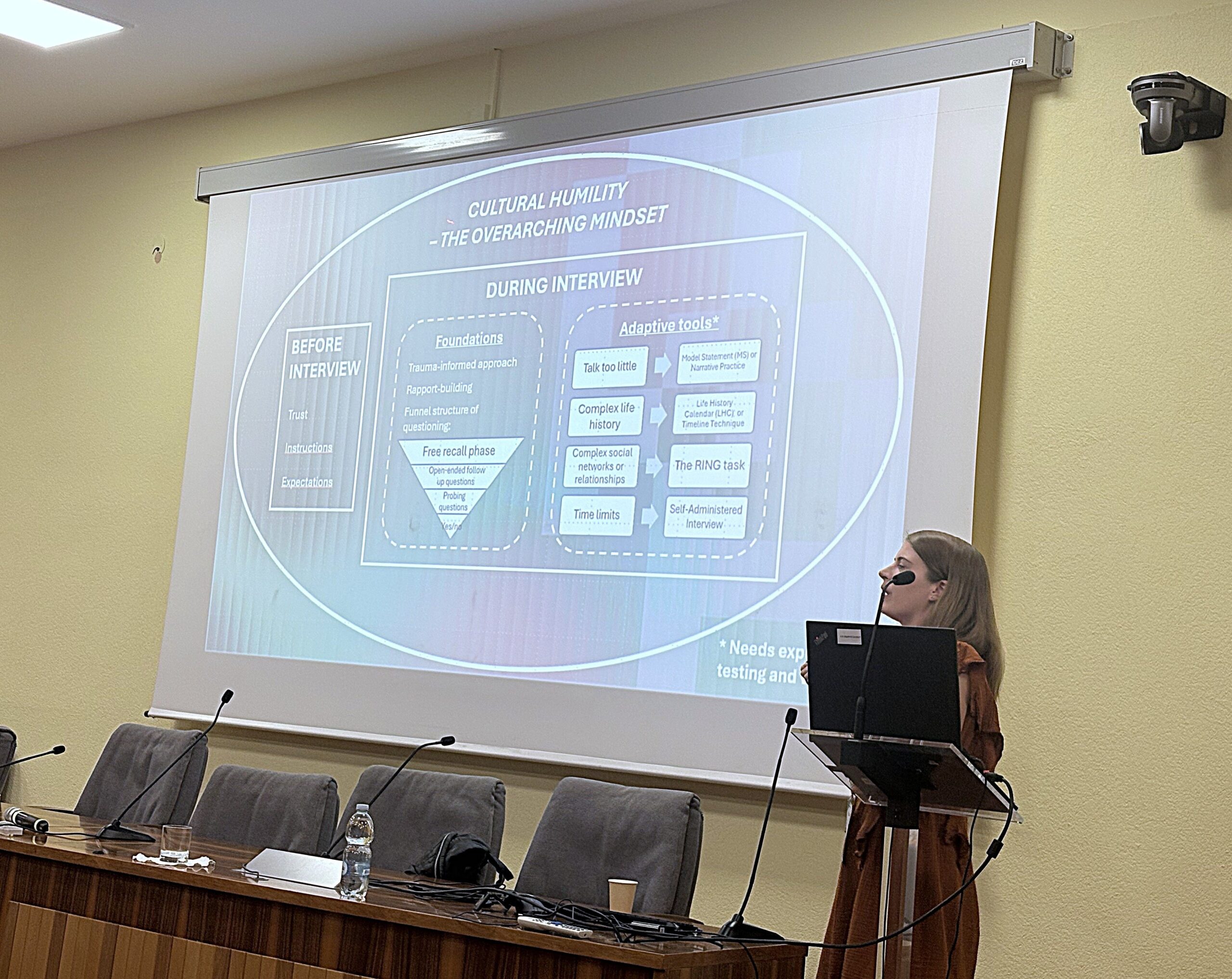
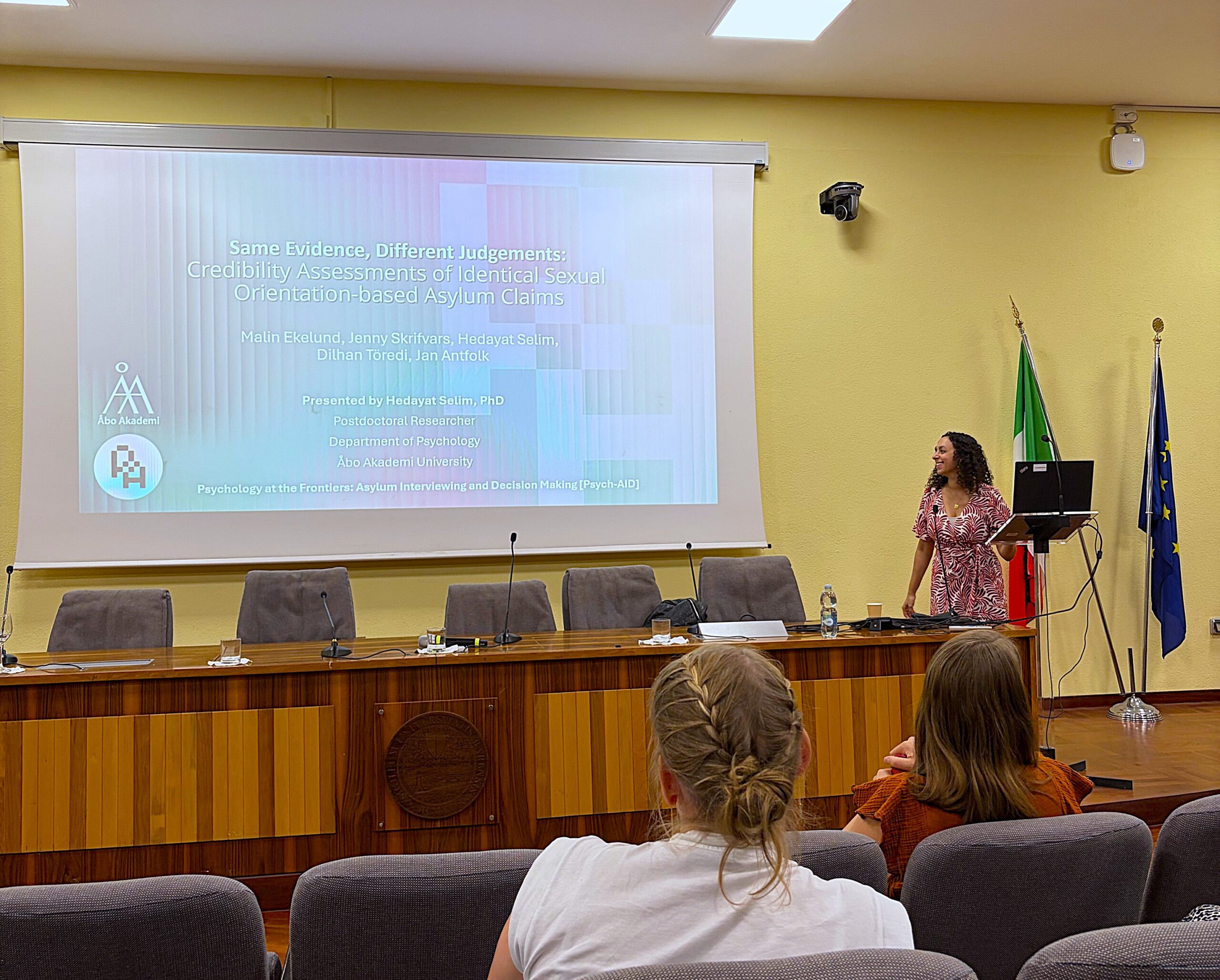
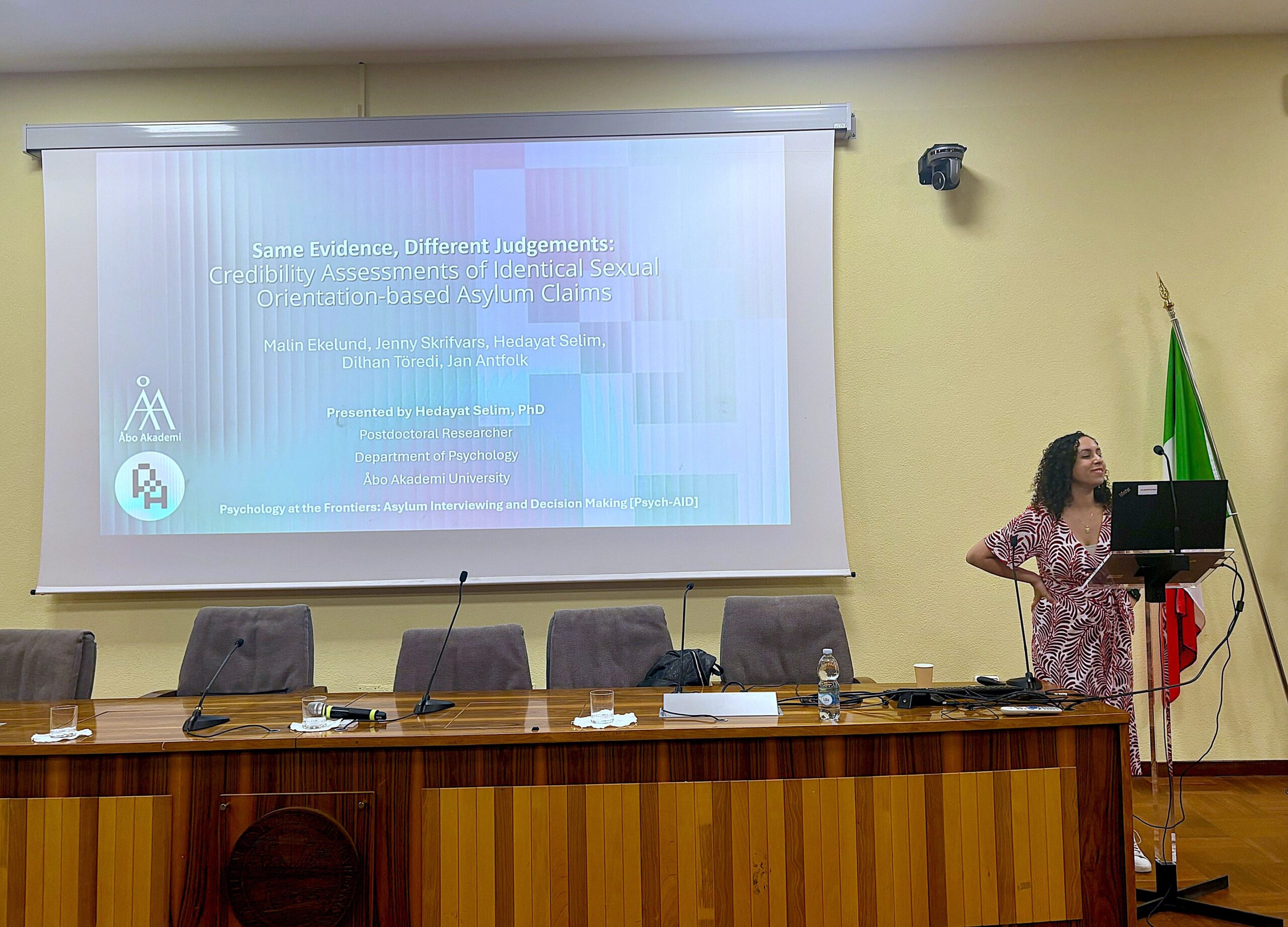
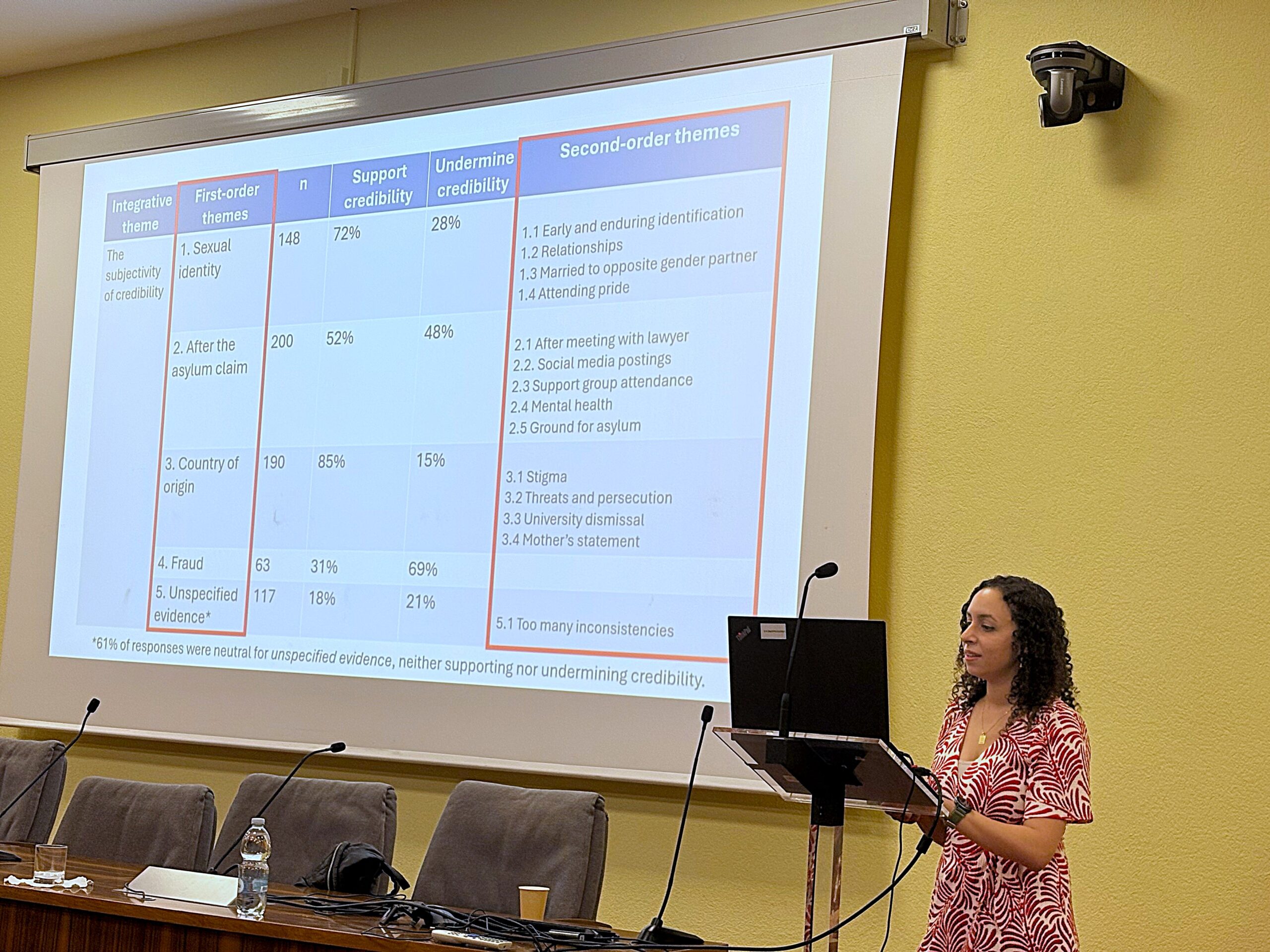
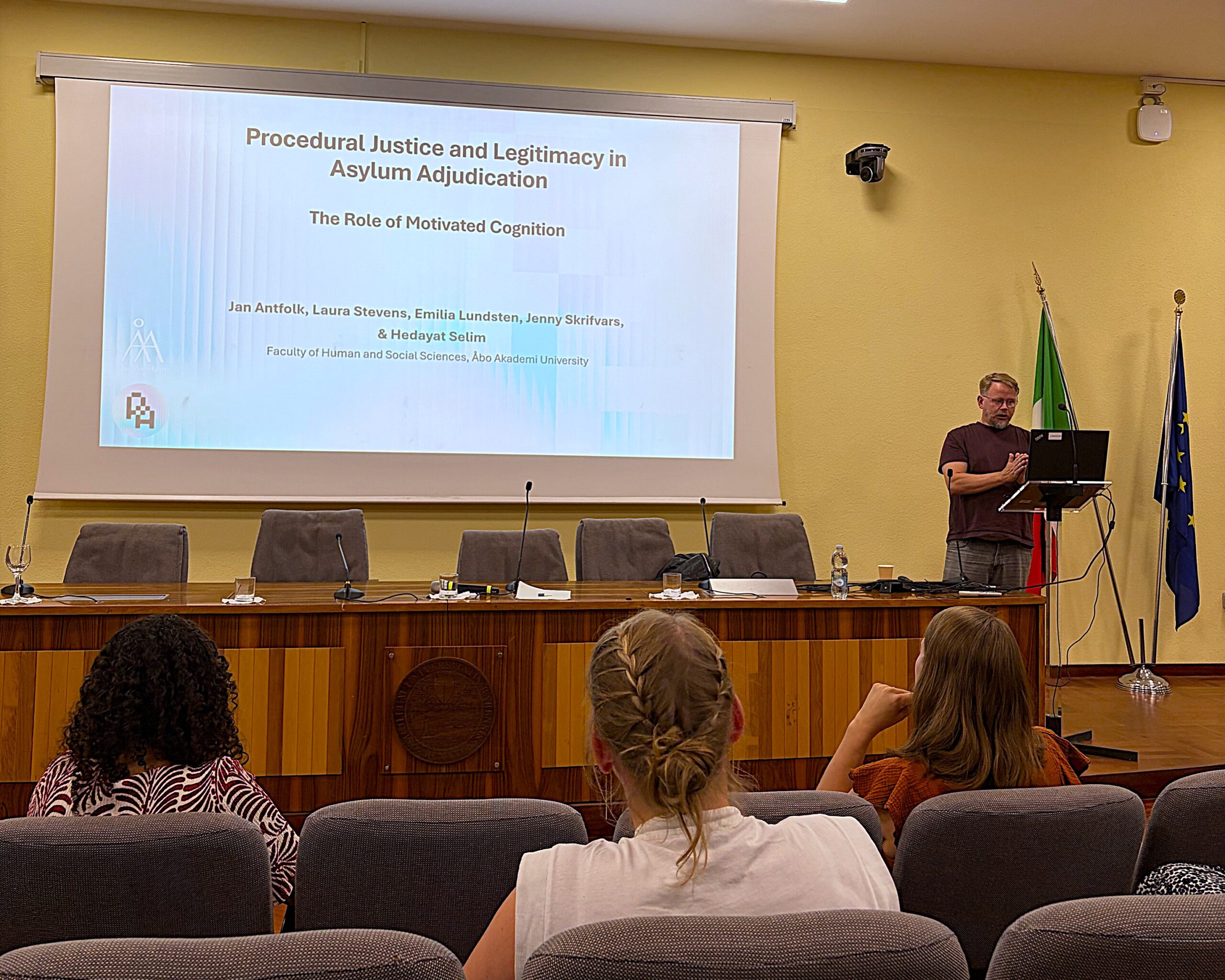
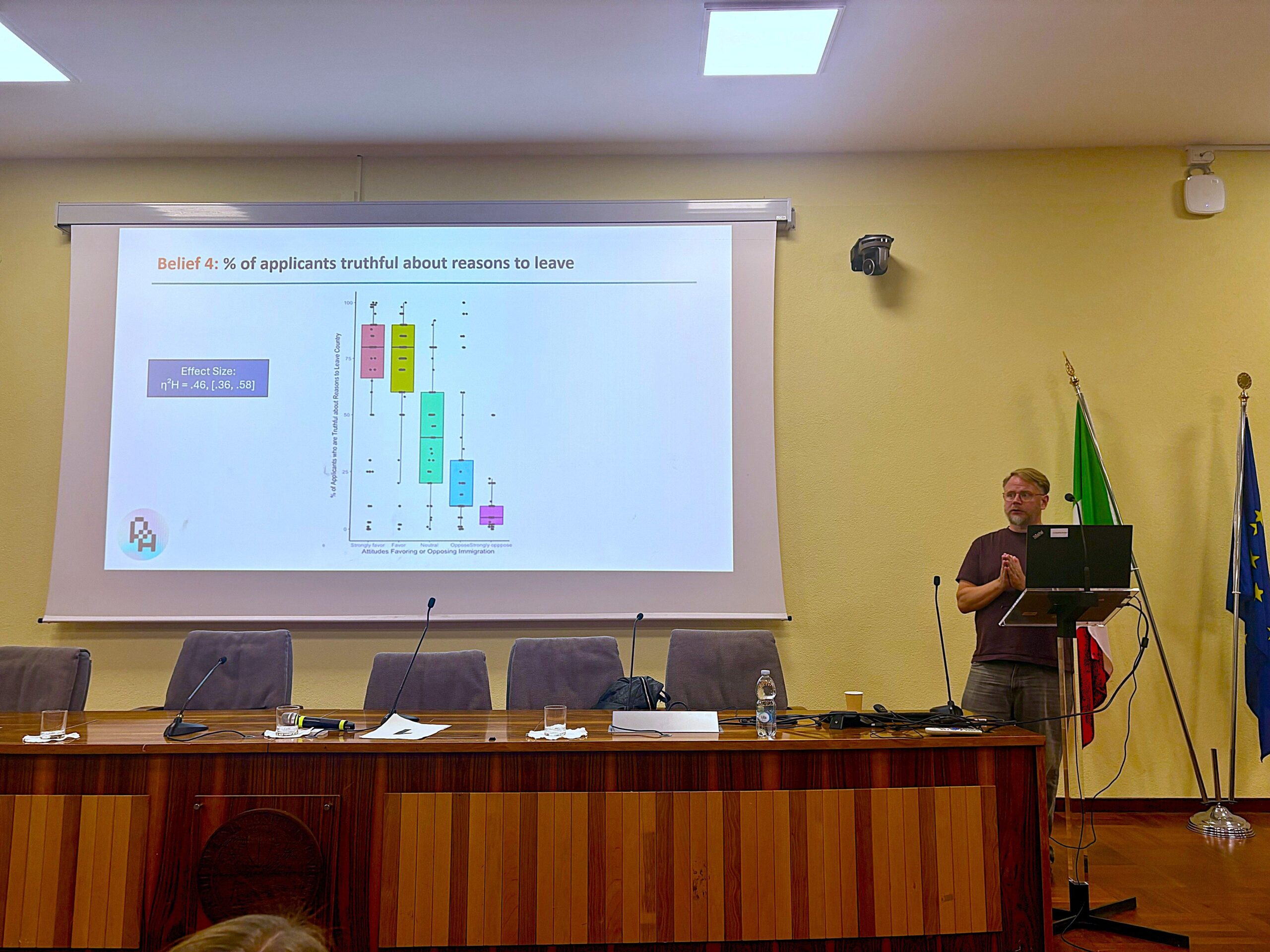
In an all-Psych-AID panel on asylum decision-making, panel members presented on some studies from the network’s latest research work, which drew on a variety of methodologies. Doctoral researcher Malin Ekelund presented on mock decision-makers’ assessments of SOGIESC cases in an experimental task; doctoral researcher Rasmus Ahlgren presented on case analysis of the level of detail in asylum applicants’ answers; postdoctoral researcher Jenny Skrifvars presented on field reflections following training of Finnish asylum decision-makers; postdoctoral researcher Hedayat Selim presented on qualitative analysis of mock decision-makers’ reasons for their decisions; and finally, Principal Investigator Jan Antfolk presented on survey data on beliefs about asylum authorities and their decisions.
- Malin’s presentation
- Malin’s presentation
- Malin’s presentation
- Rasmus’ presentation
- Rasmus’ presentation
- Dr Skrifvars’ presentation
- Dr Skrifvars’ presentation
- Dr Skrifvars’ presentation
- Dr Hedayat’s presentation
- Dr Hedayat’s presentation
- Dr Hedayat’s presentation
- Prof. Antfolk’s presentation
- Prof. Antfolk’s presentation
Oral Presentations
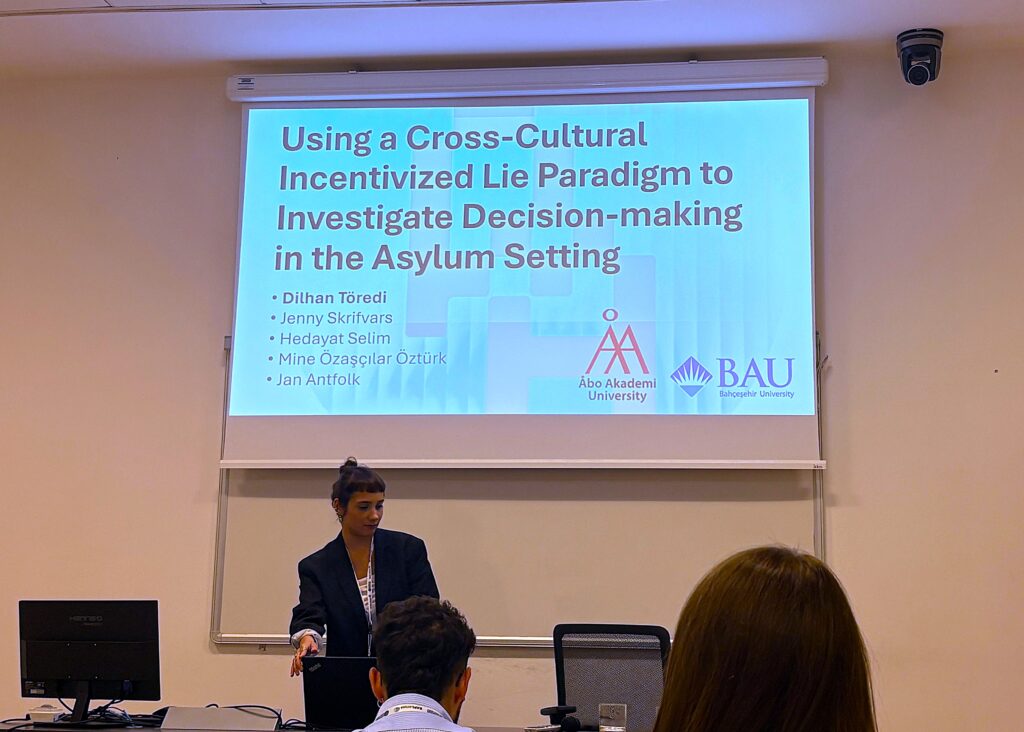
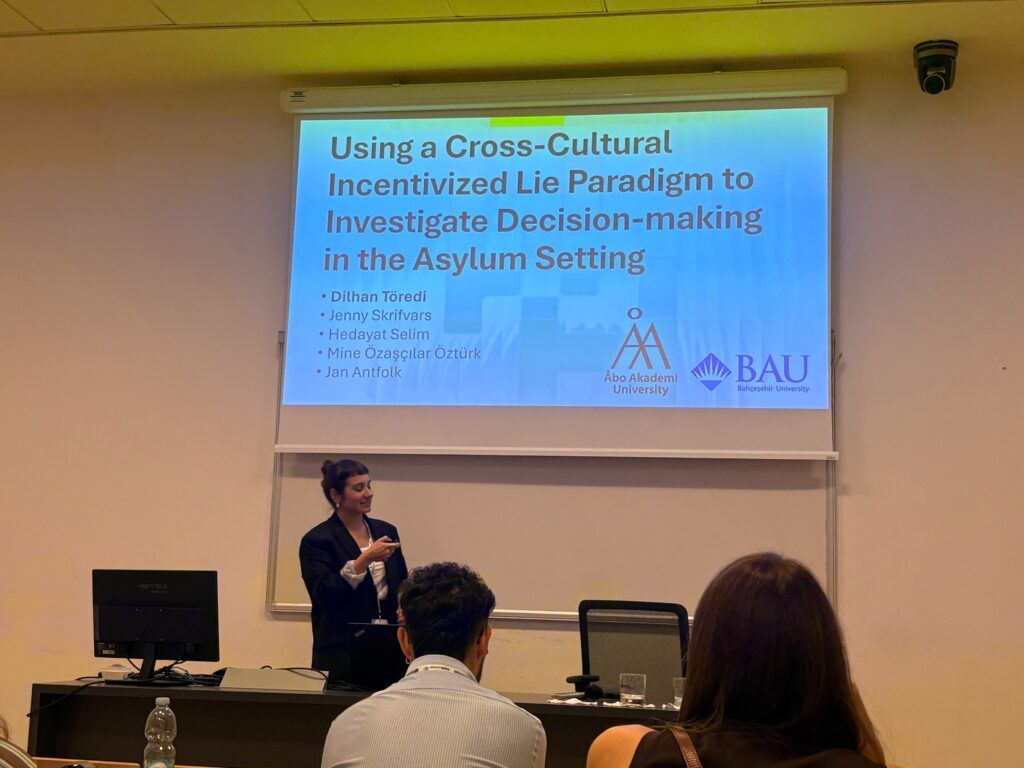
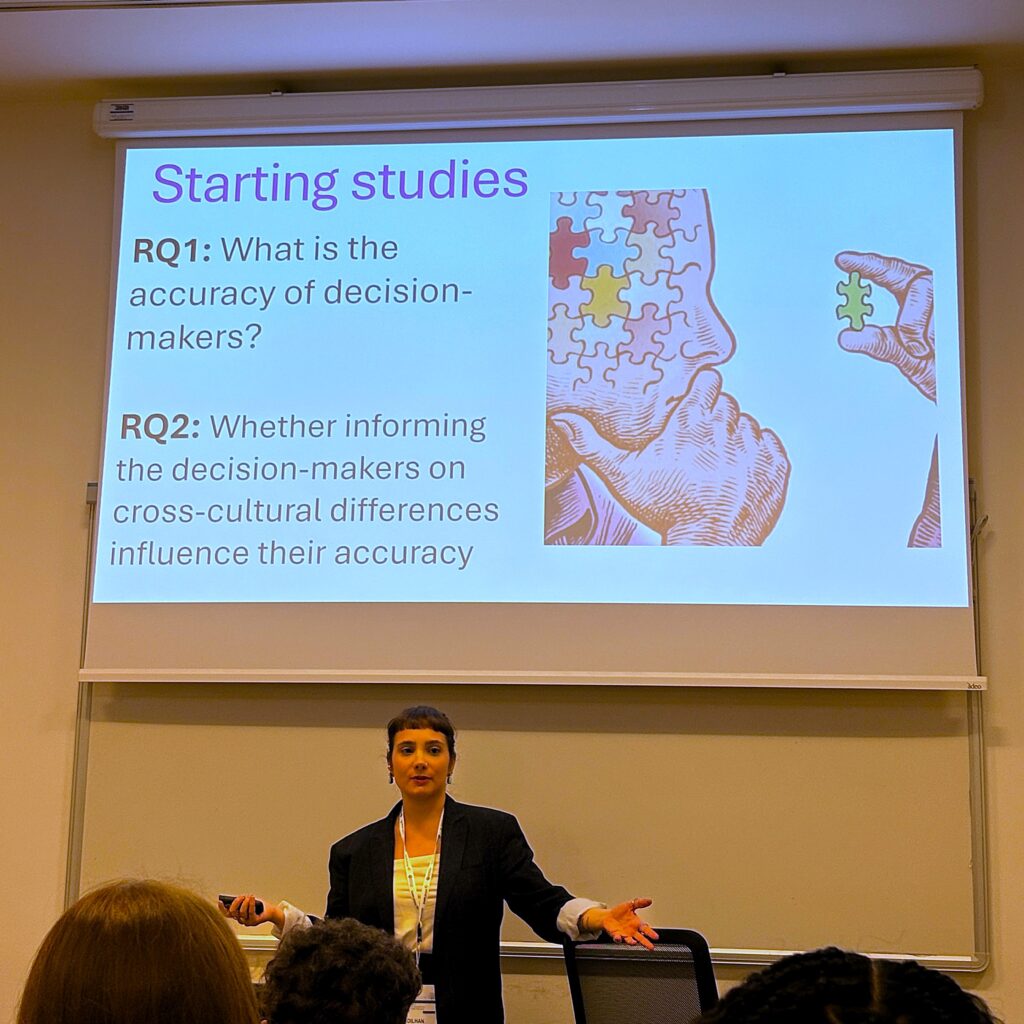
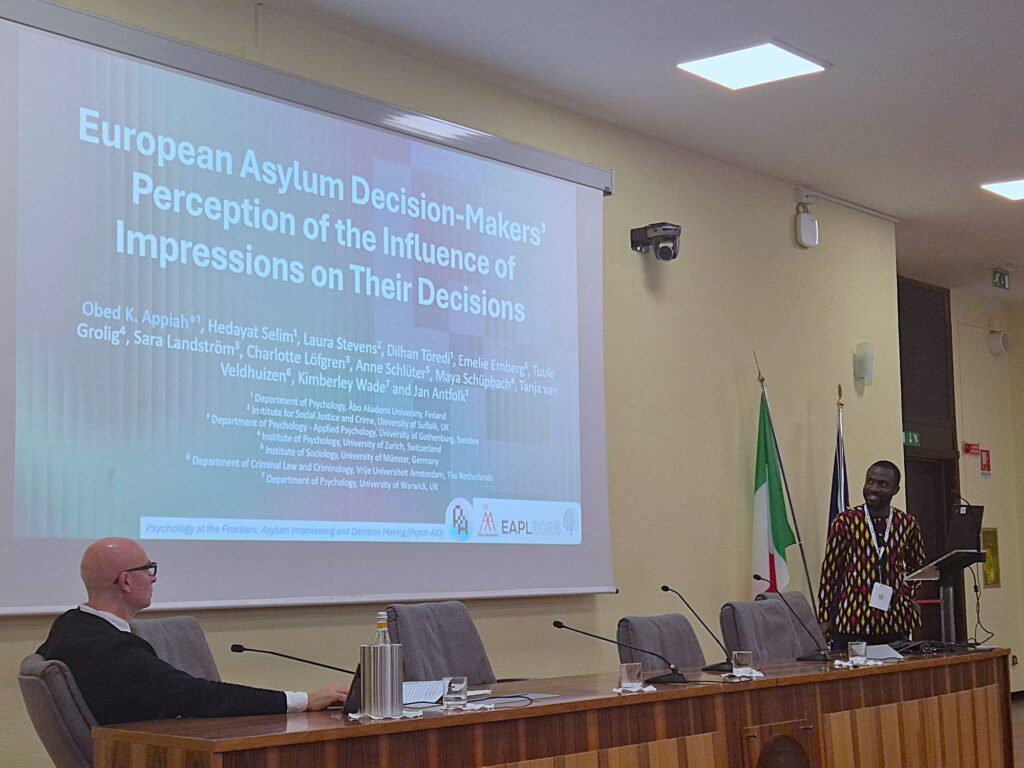
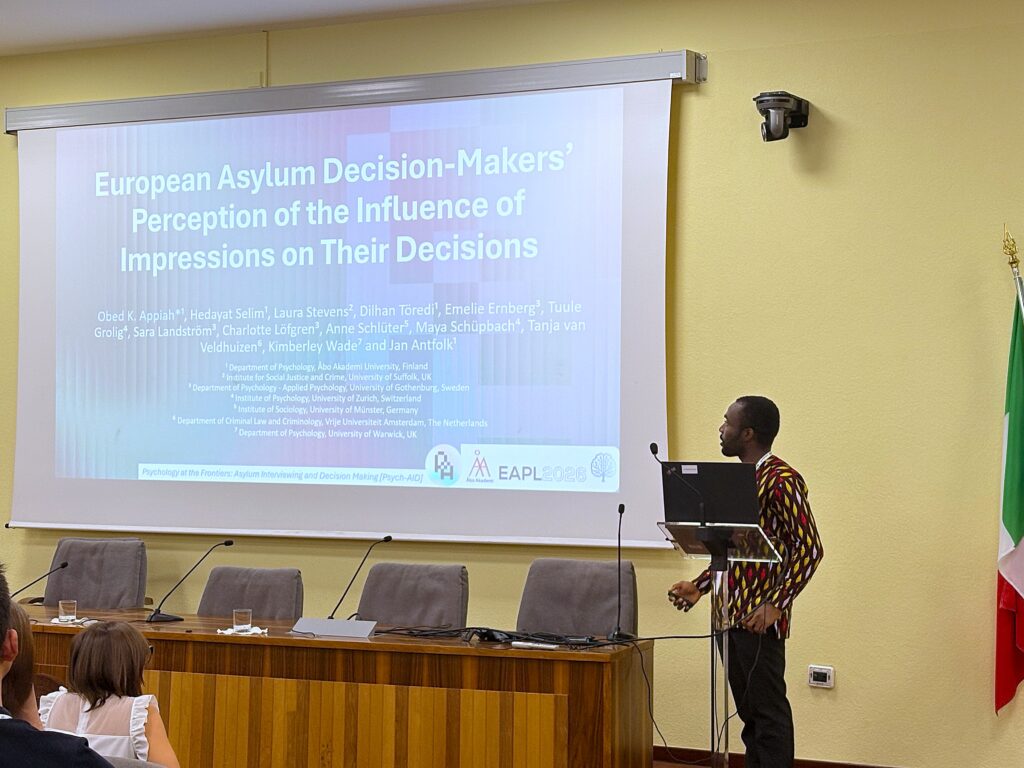
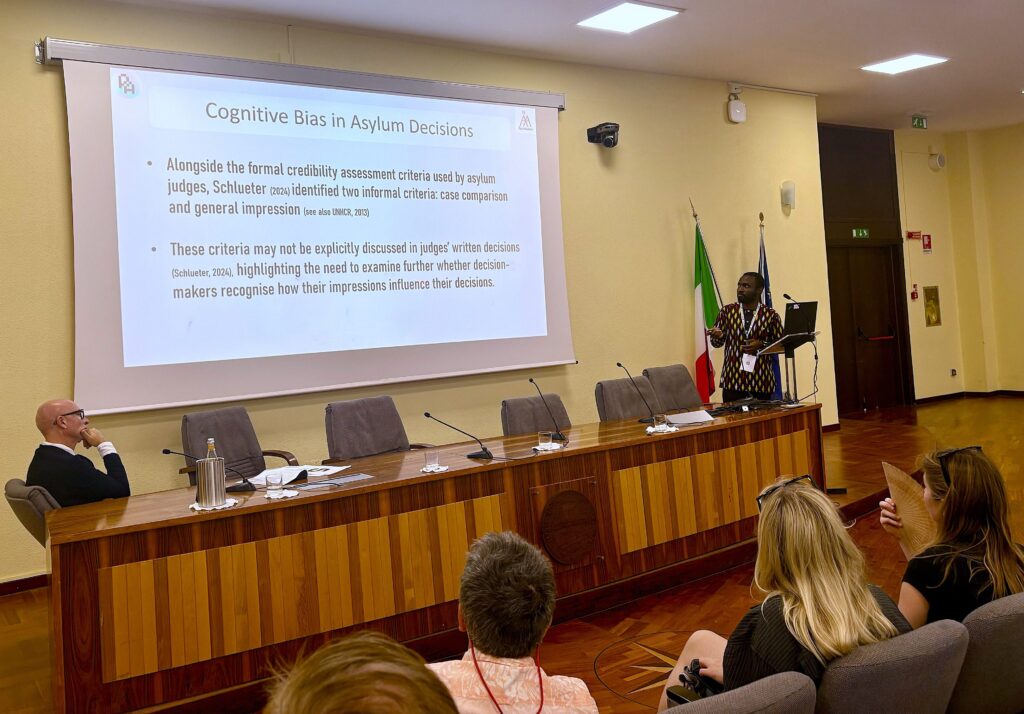
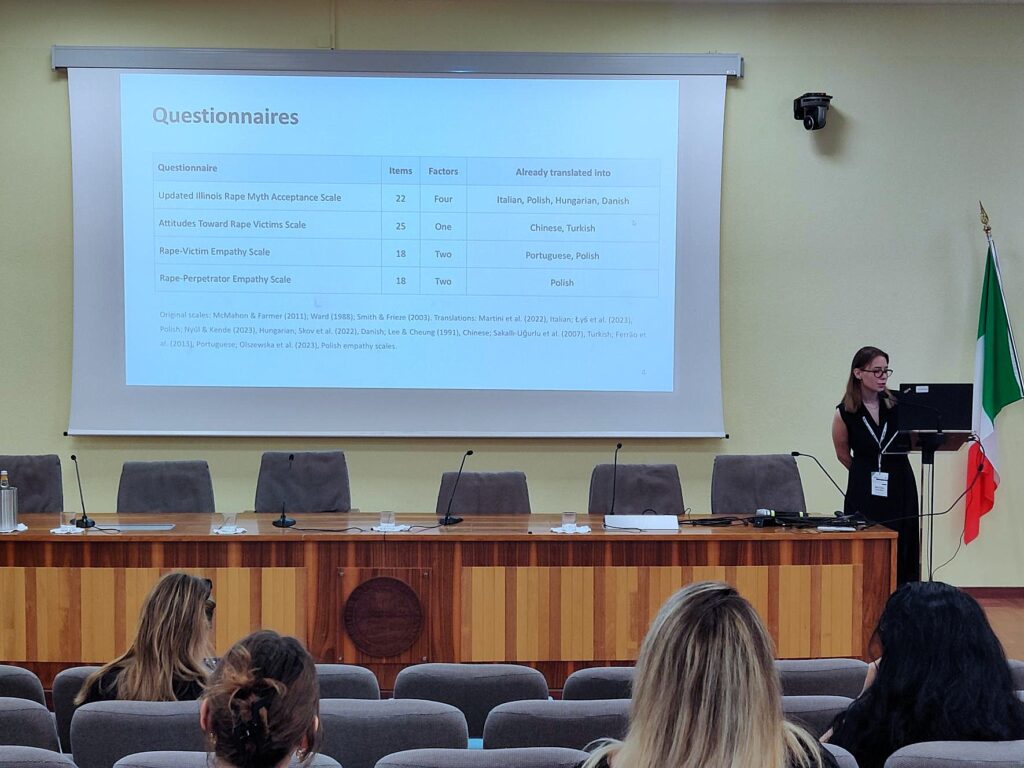
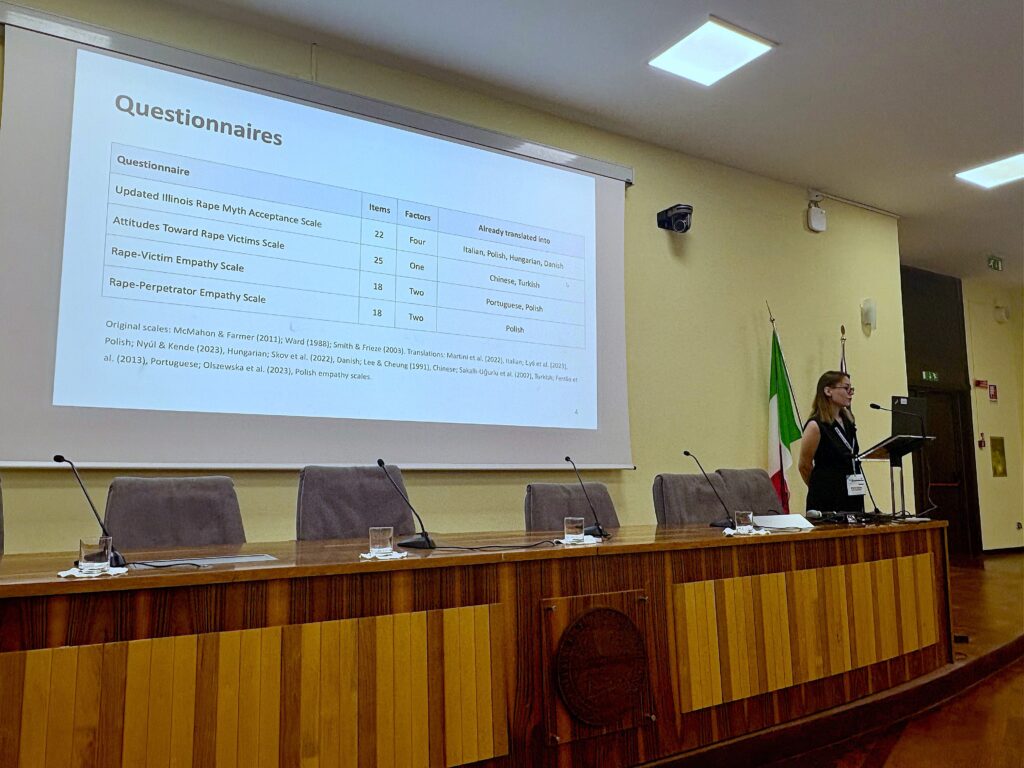
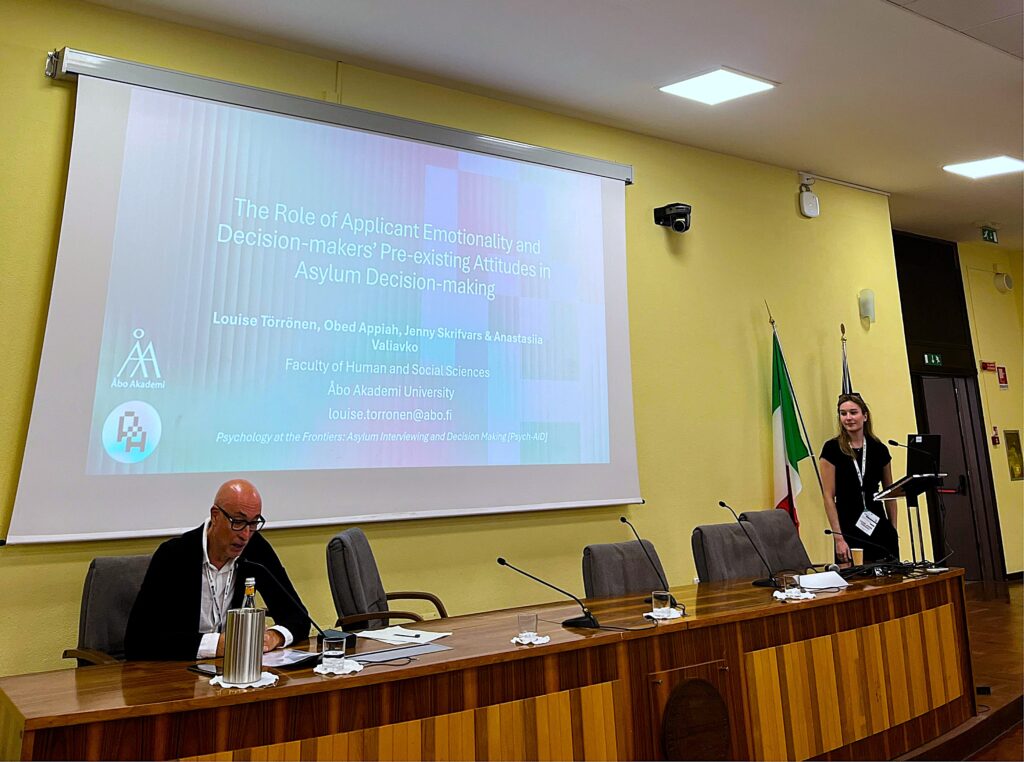
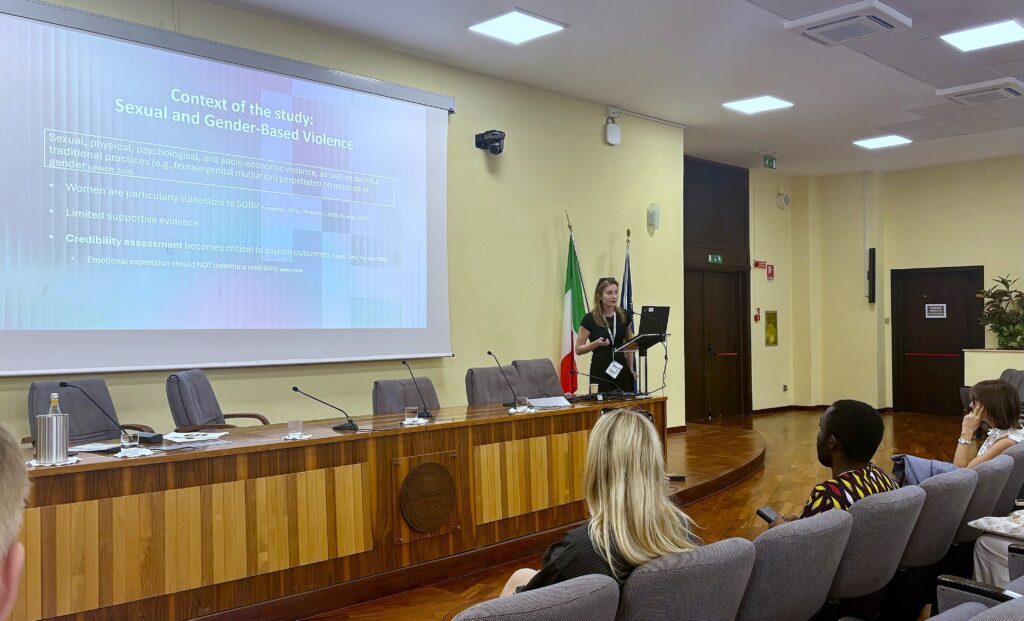
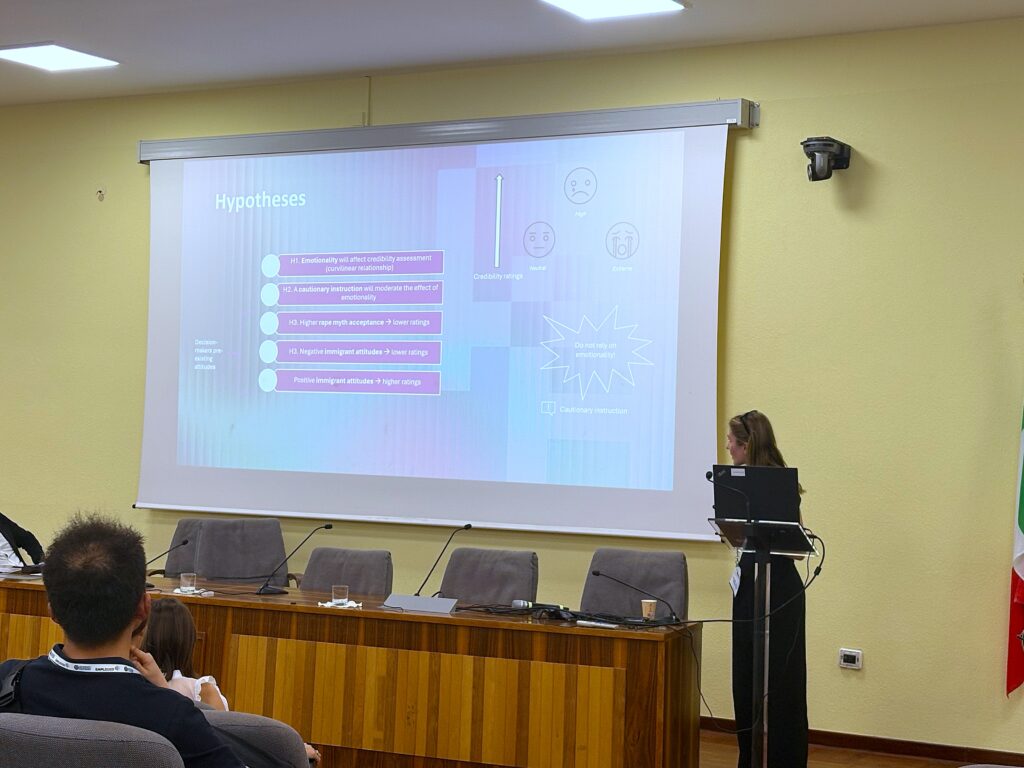
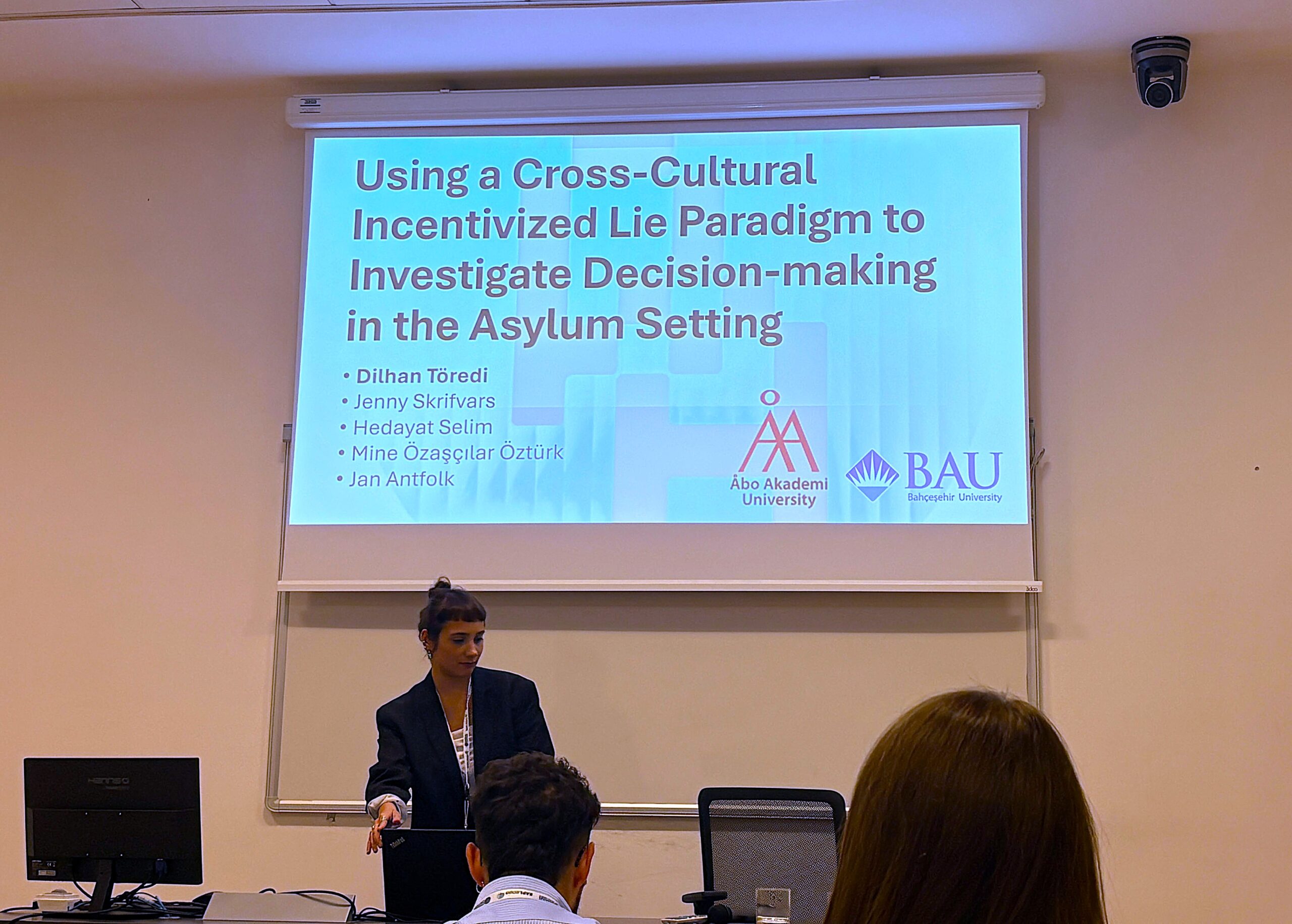
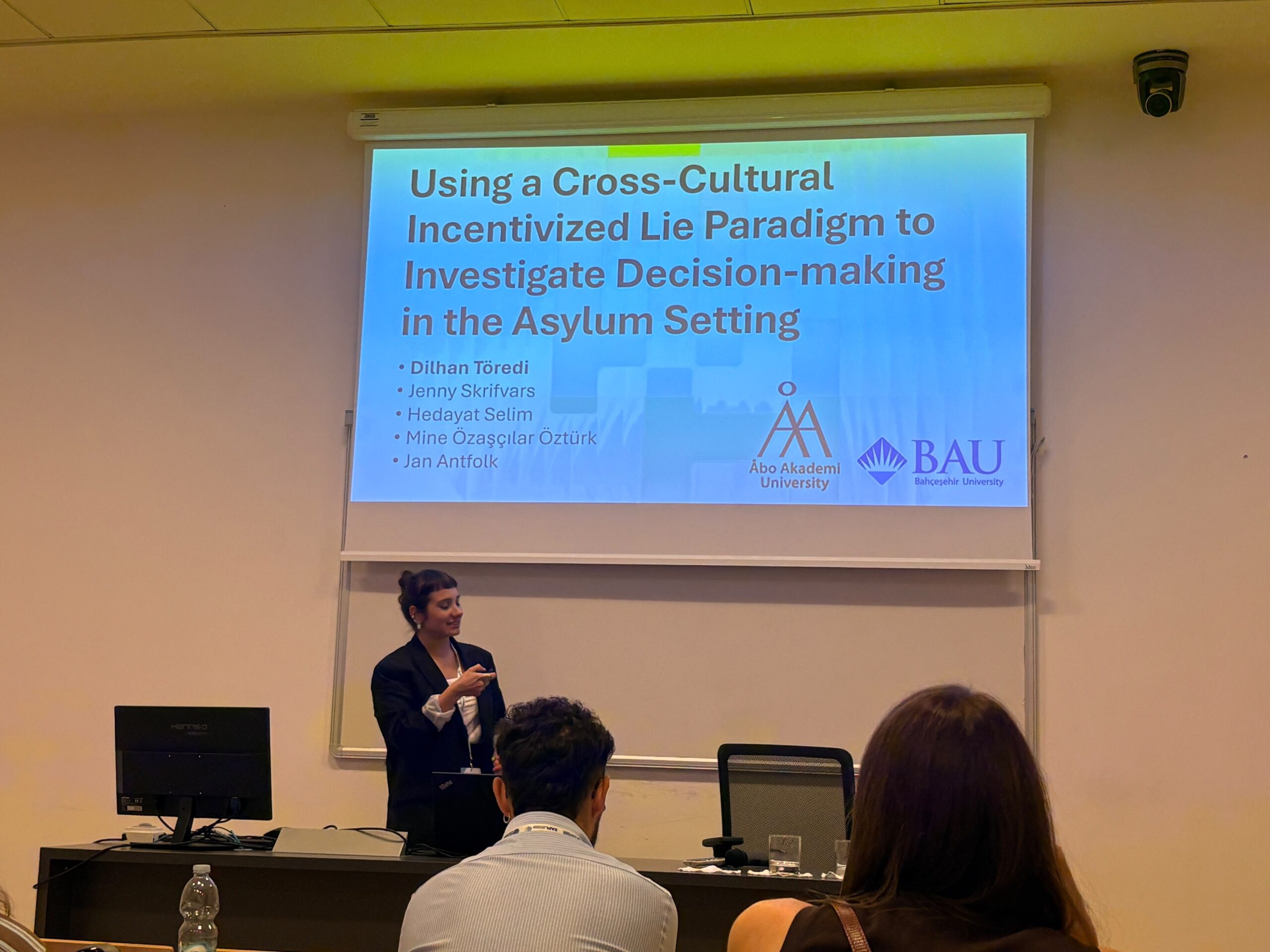
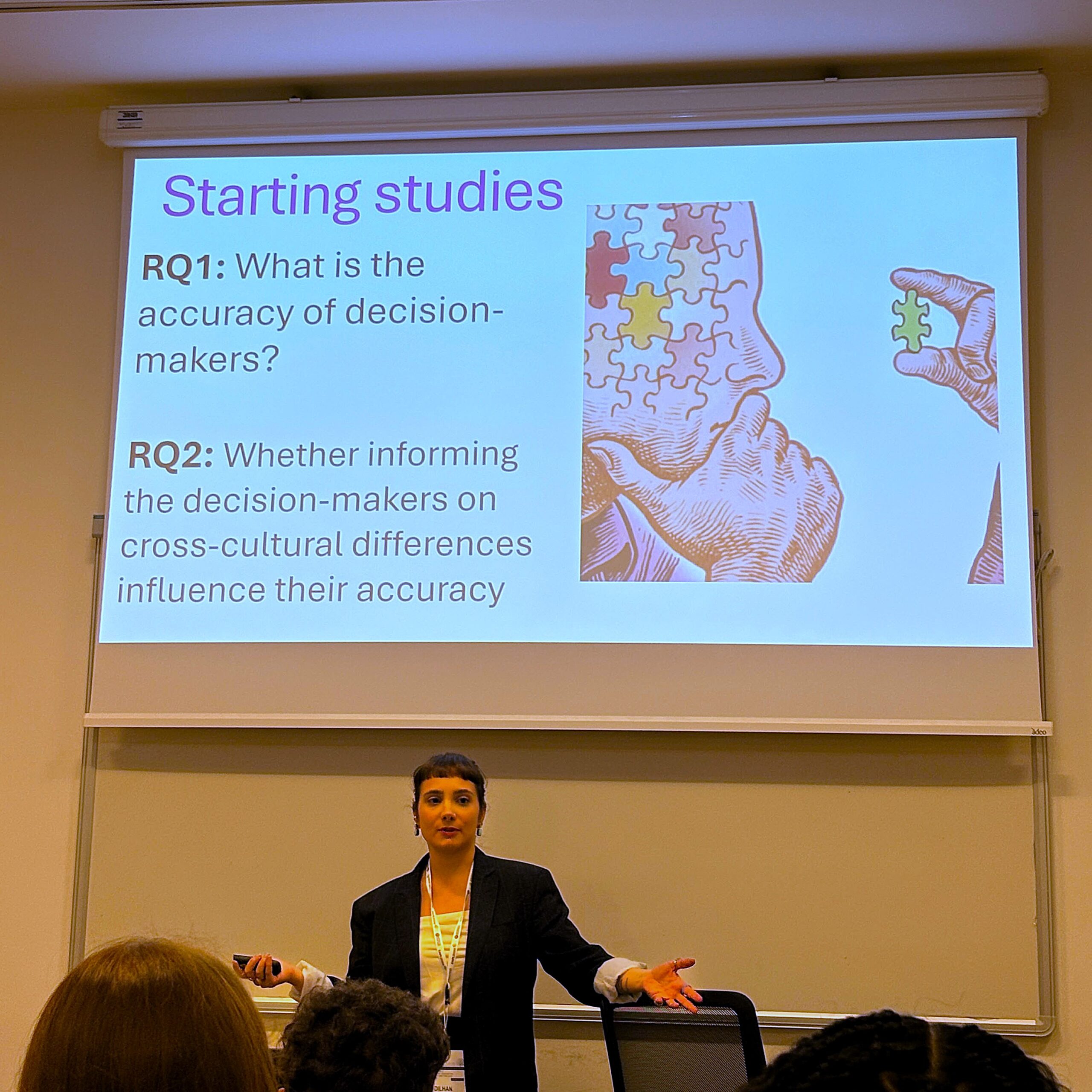
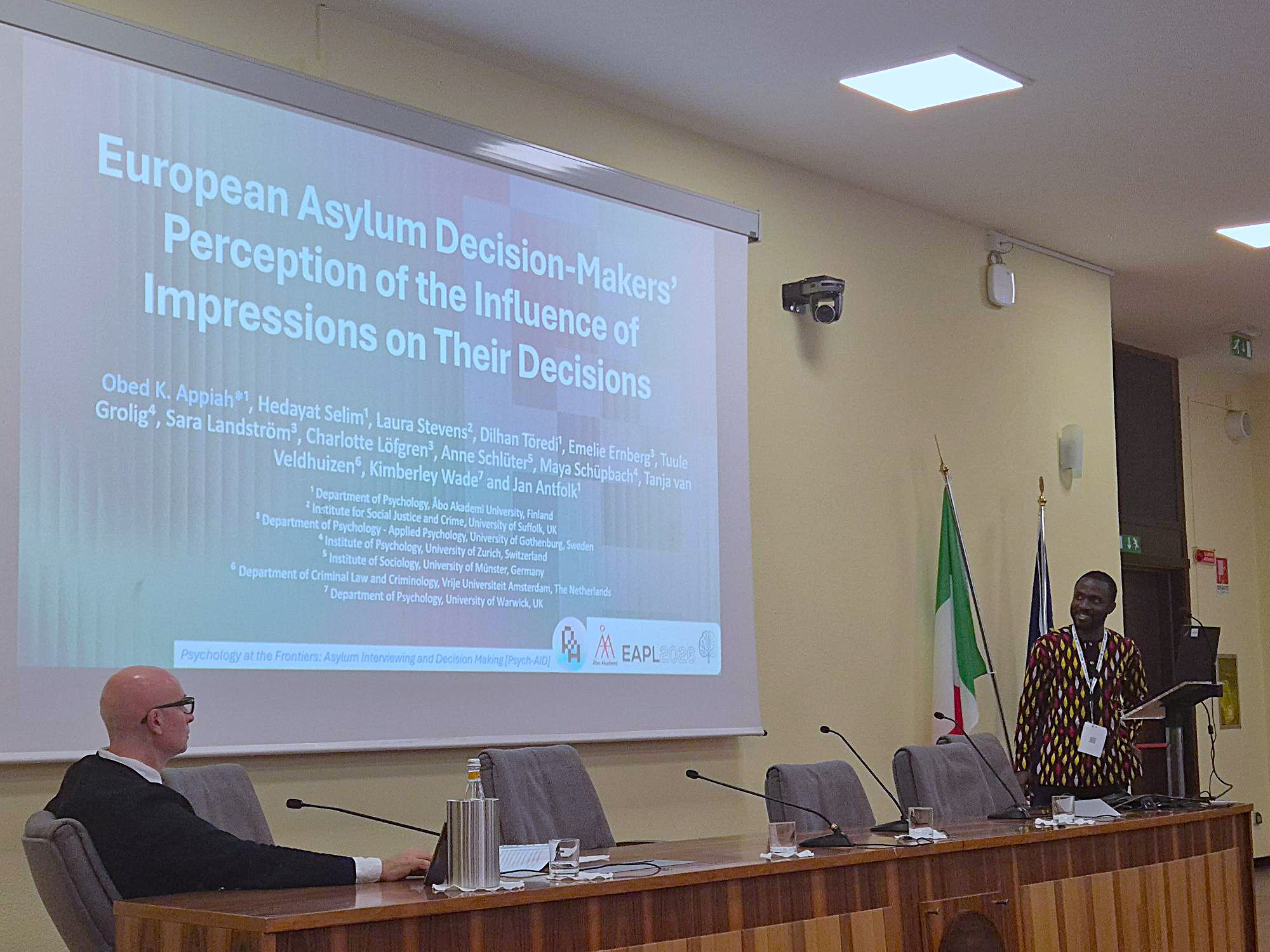
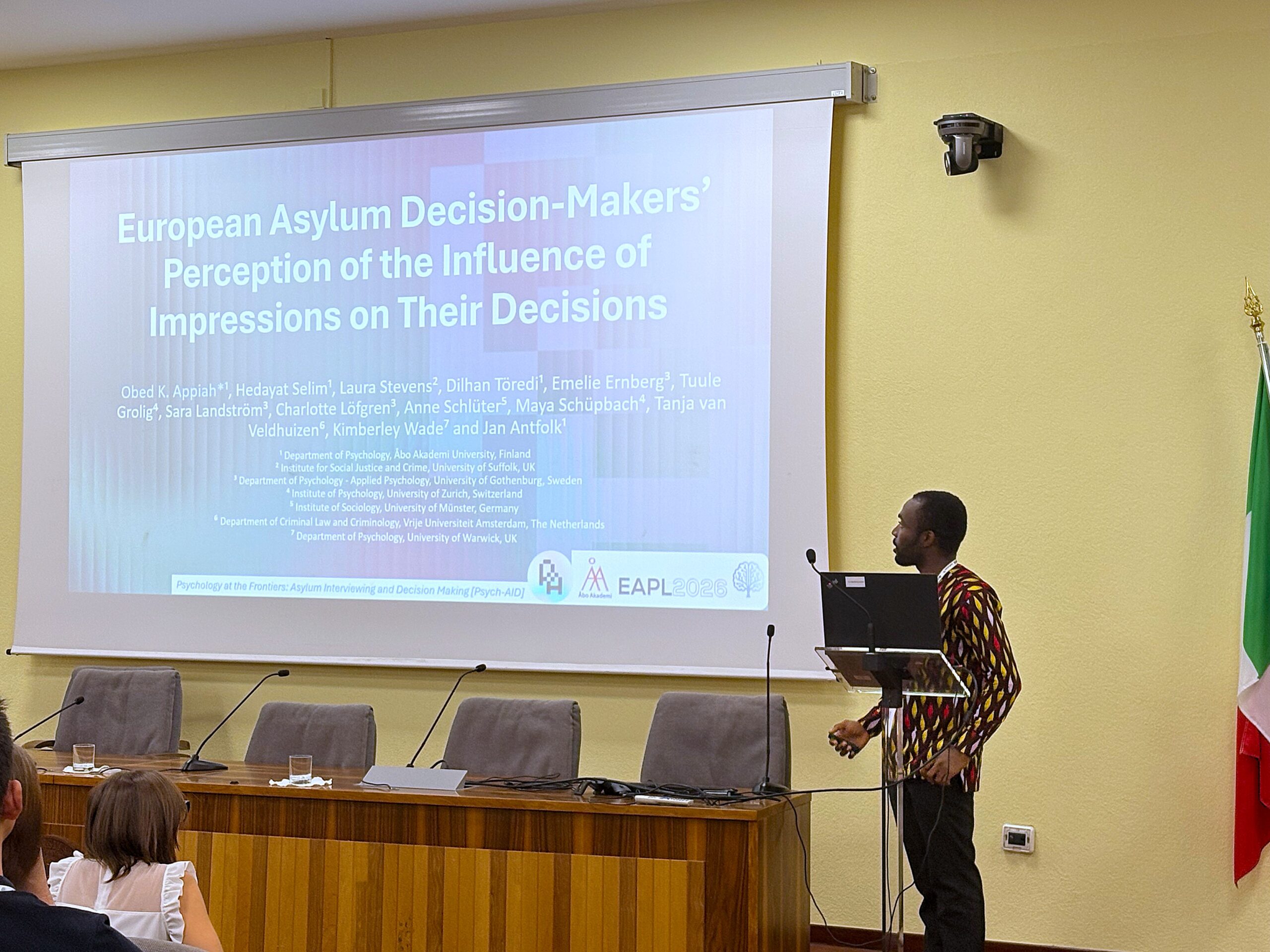
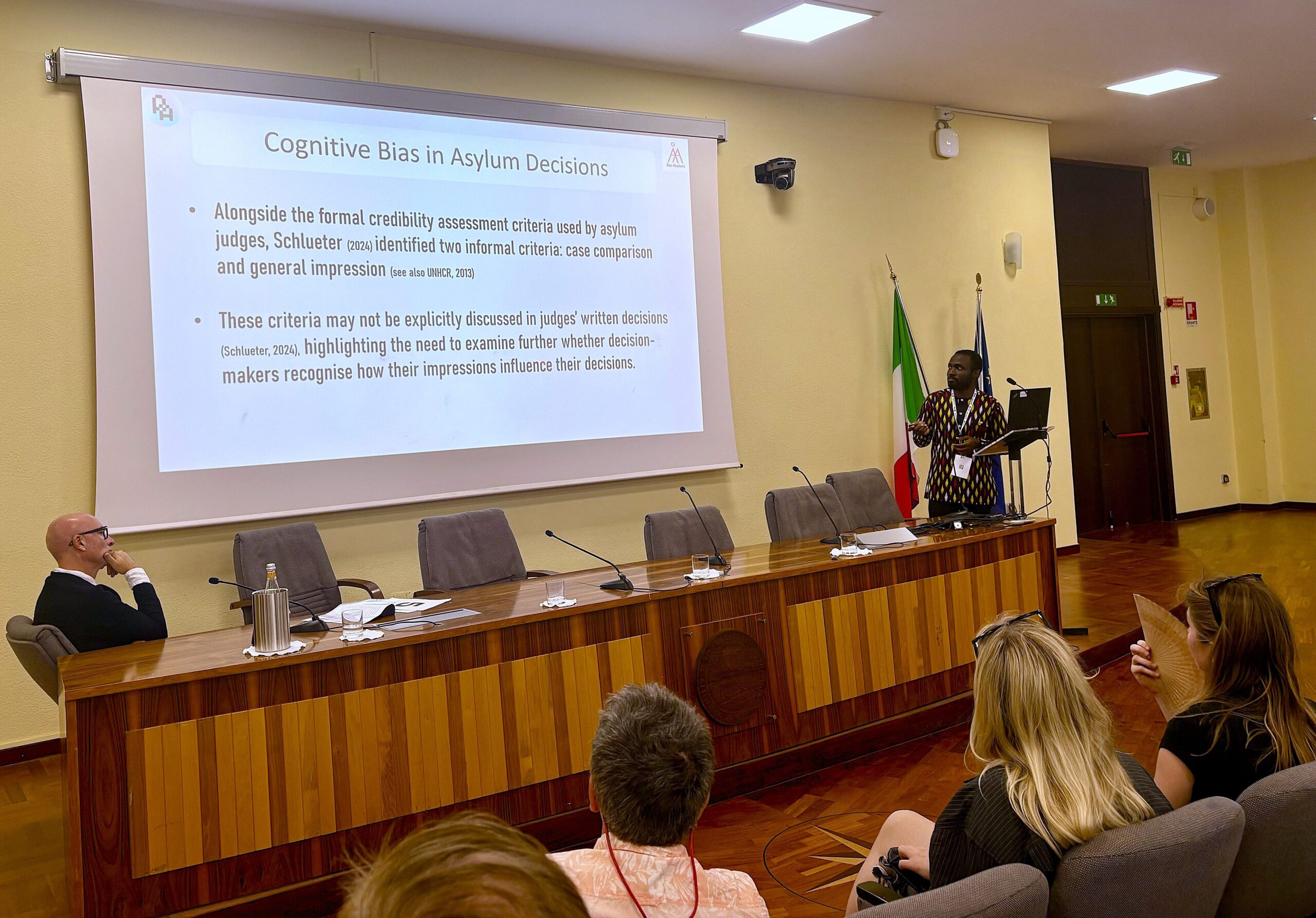
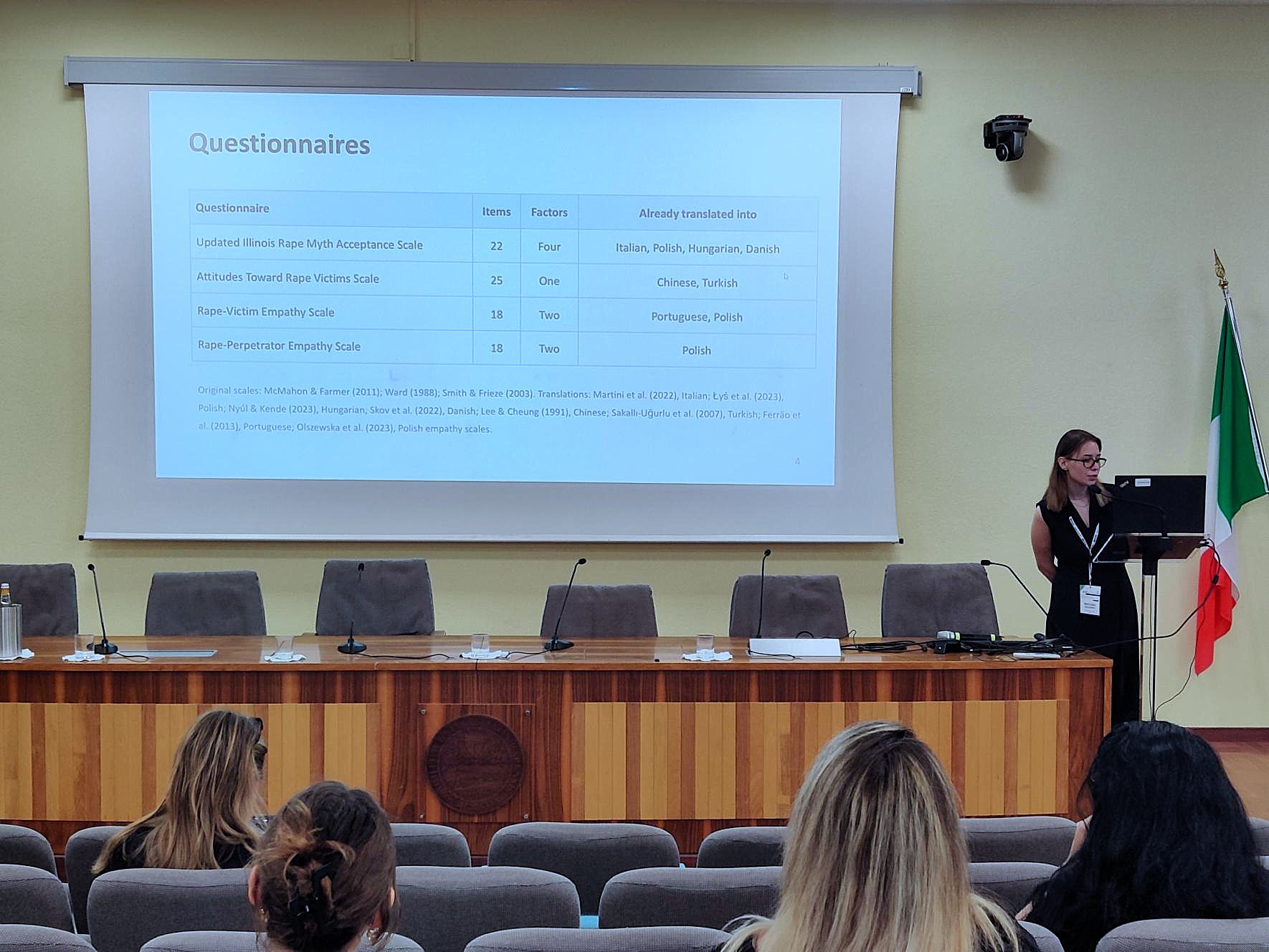
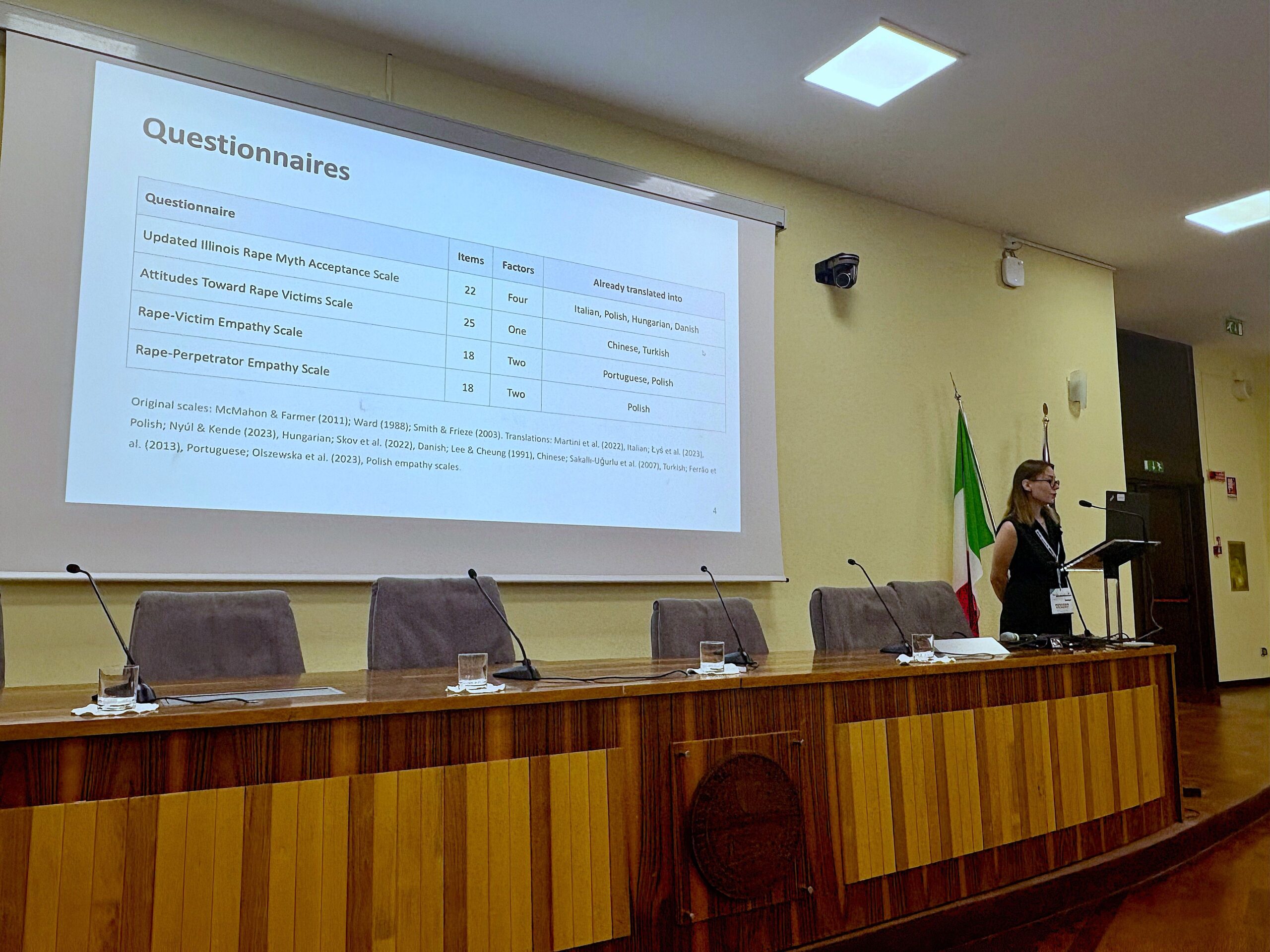
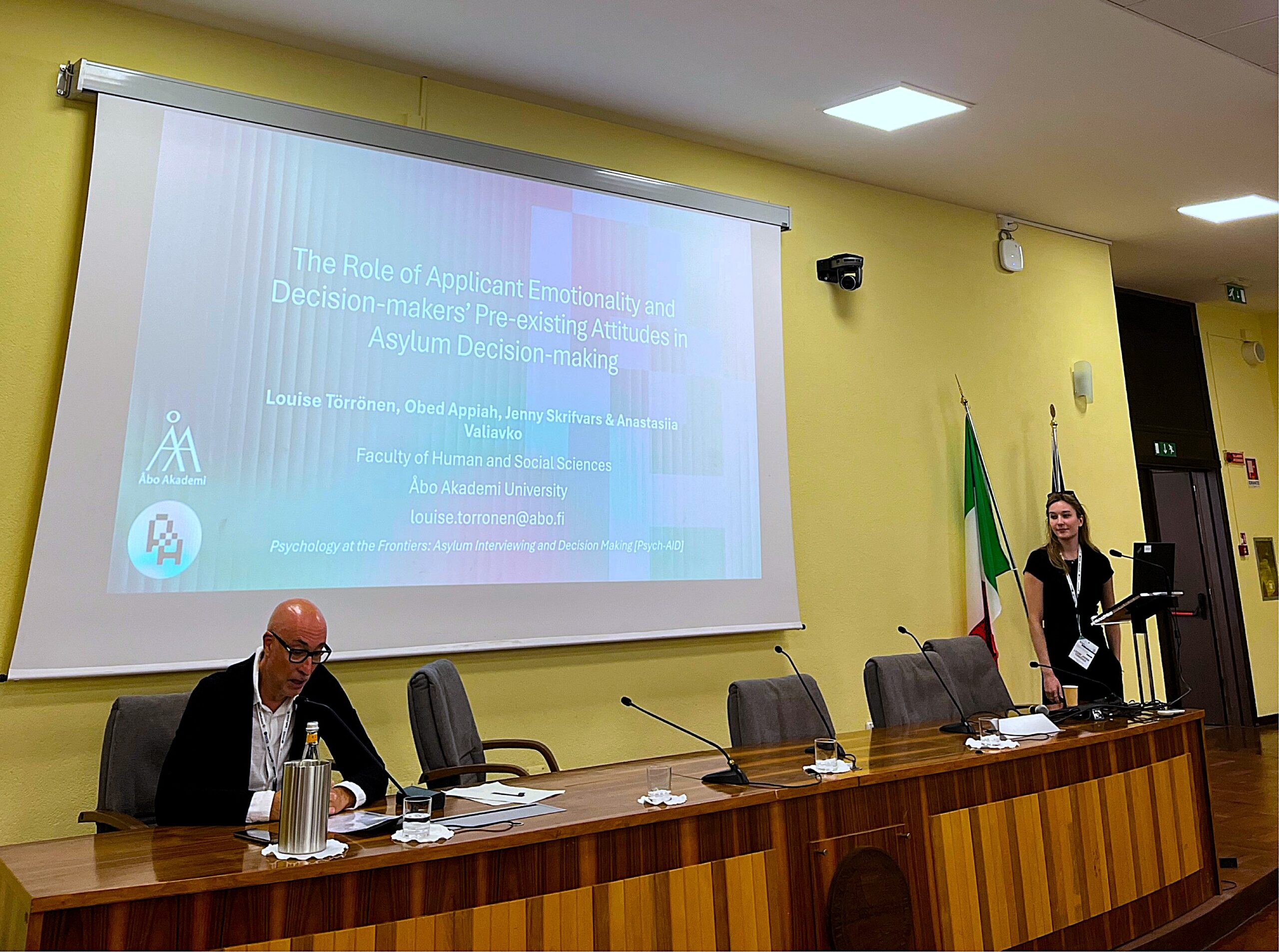
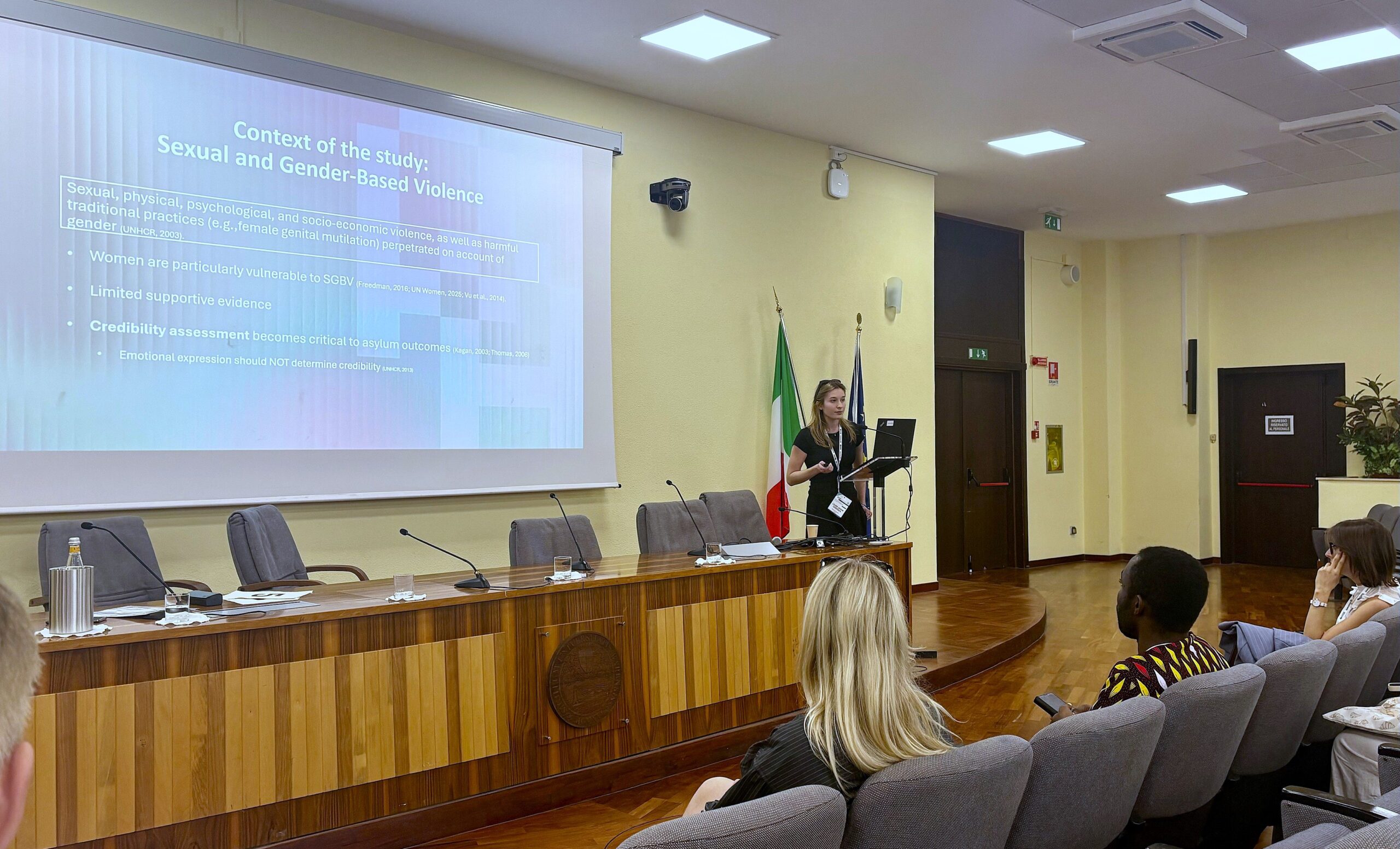
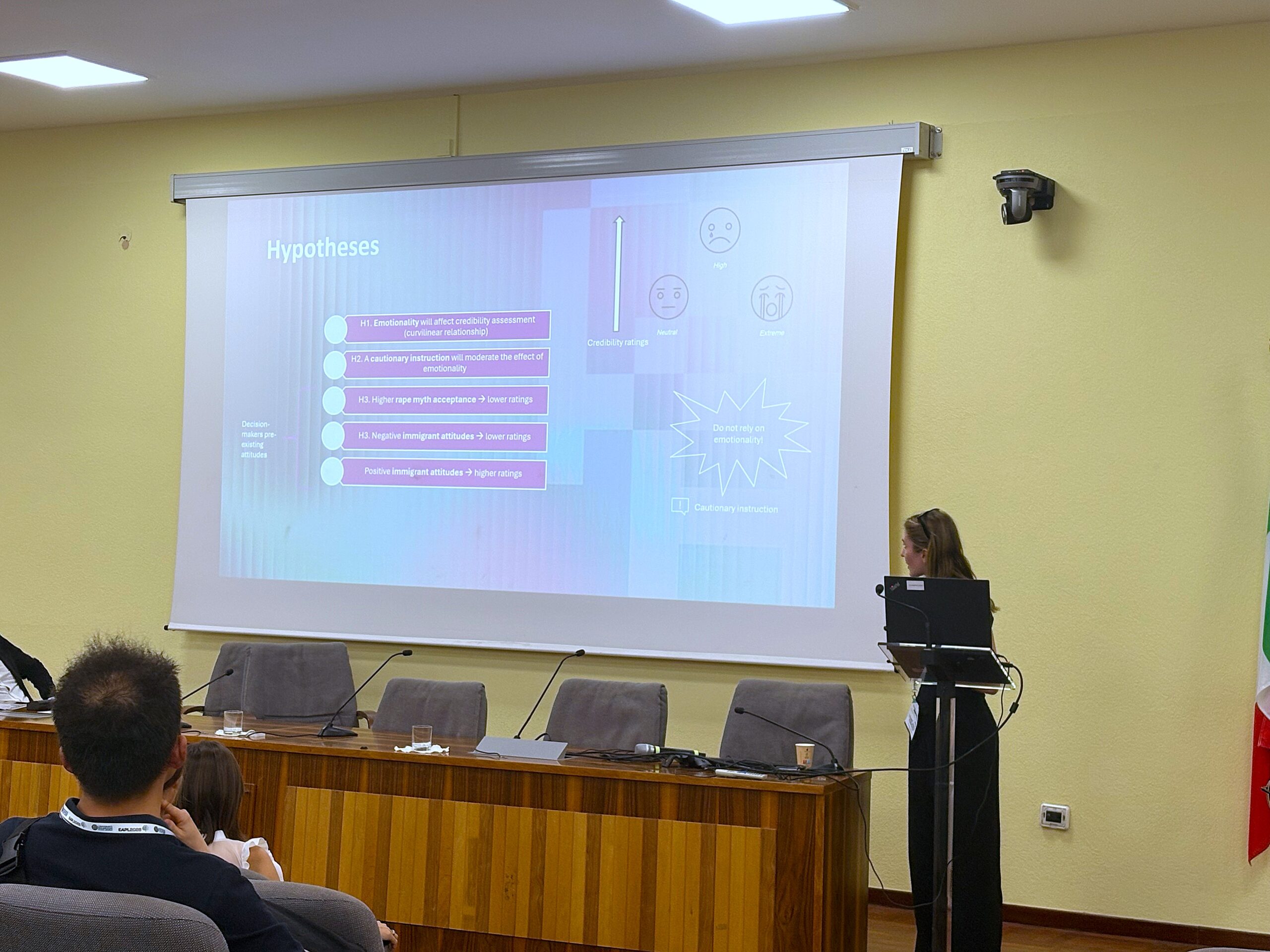
The PsychAID network also participated in panels on interviewing, legal decision-making, and deception detection. Postdoctoral researcher Dilhan Töredi presented preliminary results from a cross-cultural incentivised lie paradigm investigating decision-making in the asylum setting. Doctoral researcher Obed Appiah presented a qualitative thematic analysis of European asylum decision-makers’ perceptions of the influence of impressions on their decisions. Doctoral researcher Anastasiia Valiavko presented the translation and validation of the rape myth and empathy scales into Ukrainian. Finally, Master’s student Louise Törrönen presented her master’s thesis, which investigates the presence of an emotional victim effect in asylum cases based on sexual violence.
- Dr Töredi’s Presentation
- Dr Töredi’s Presentation
- Dr Töredi’s Presentation
- Obed’s Presentation
- Obed’s Presentation
- Obed’s Presentation
- Anastasiia’s Presentation
- Anastasiia’s Presentation
- Louise’s Presentation
- Louise’s Presentation
- Louise’s Presentation
Poster Presentations
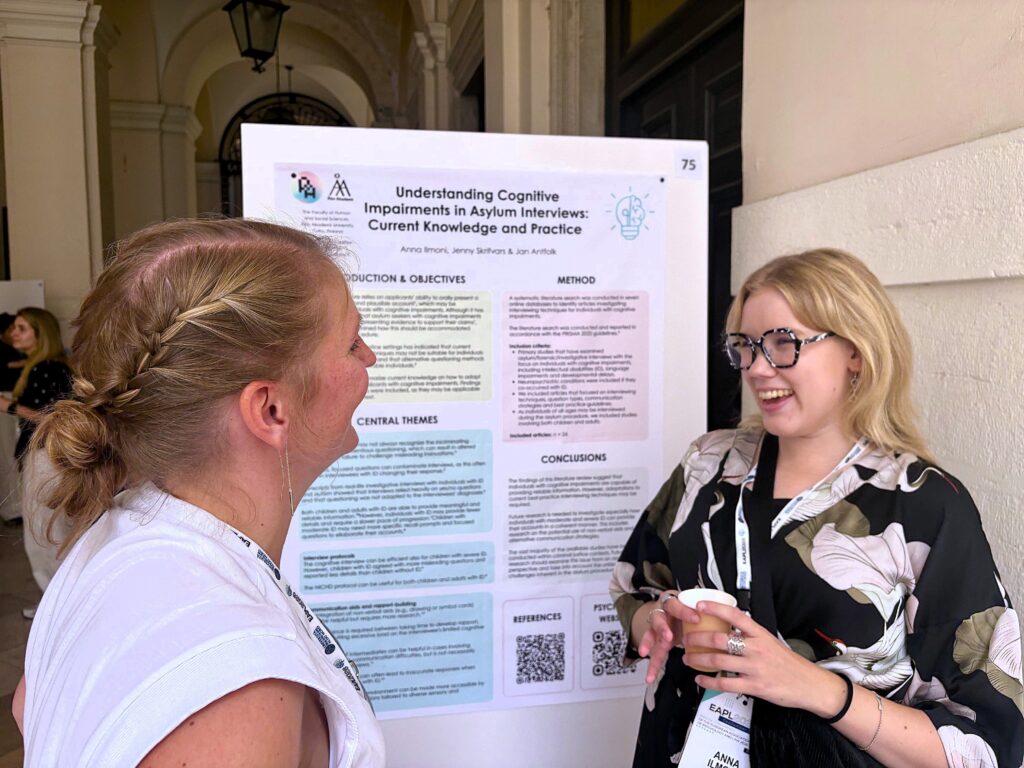
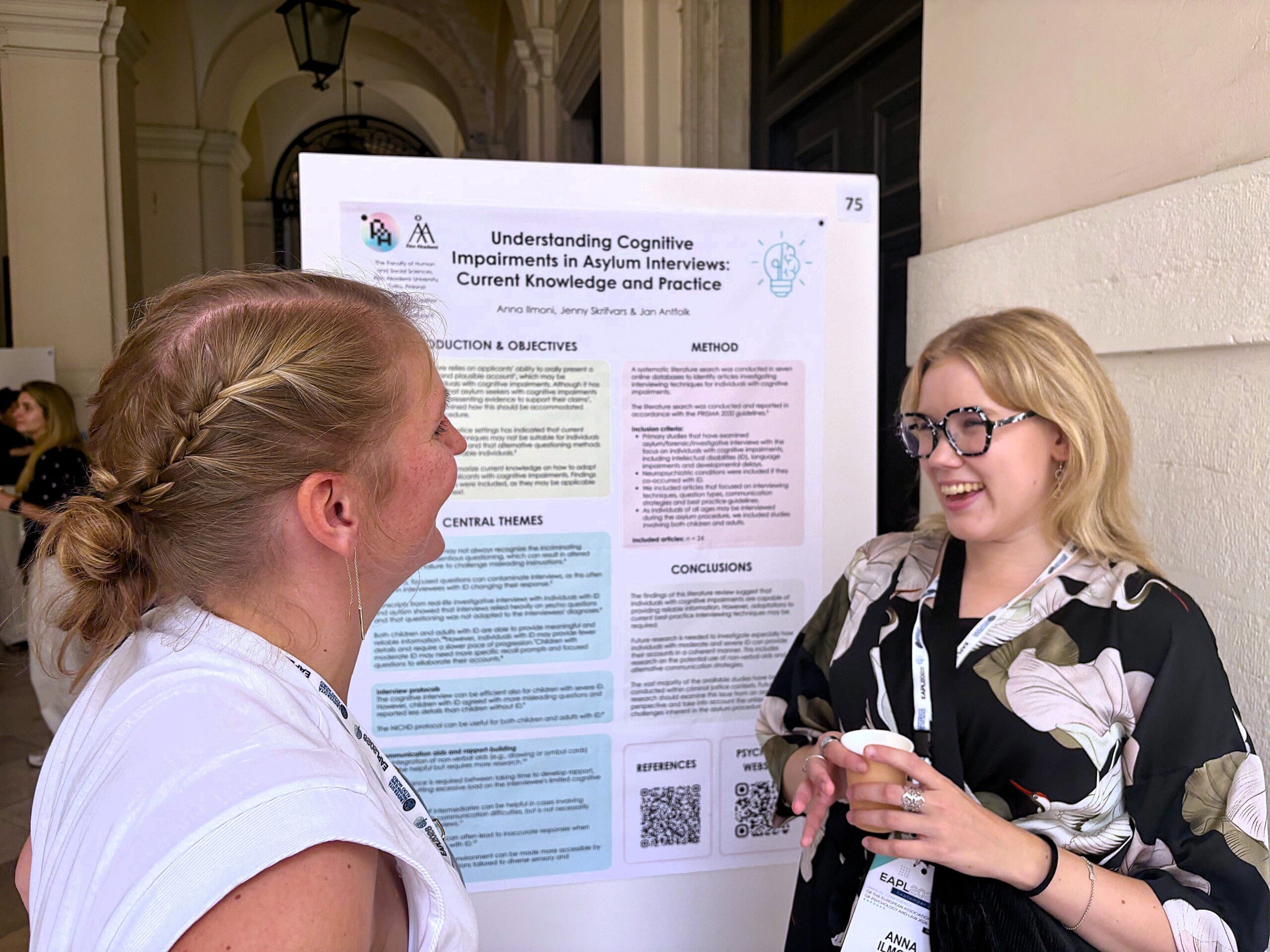
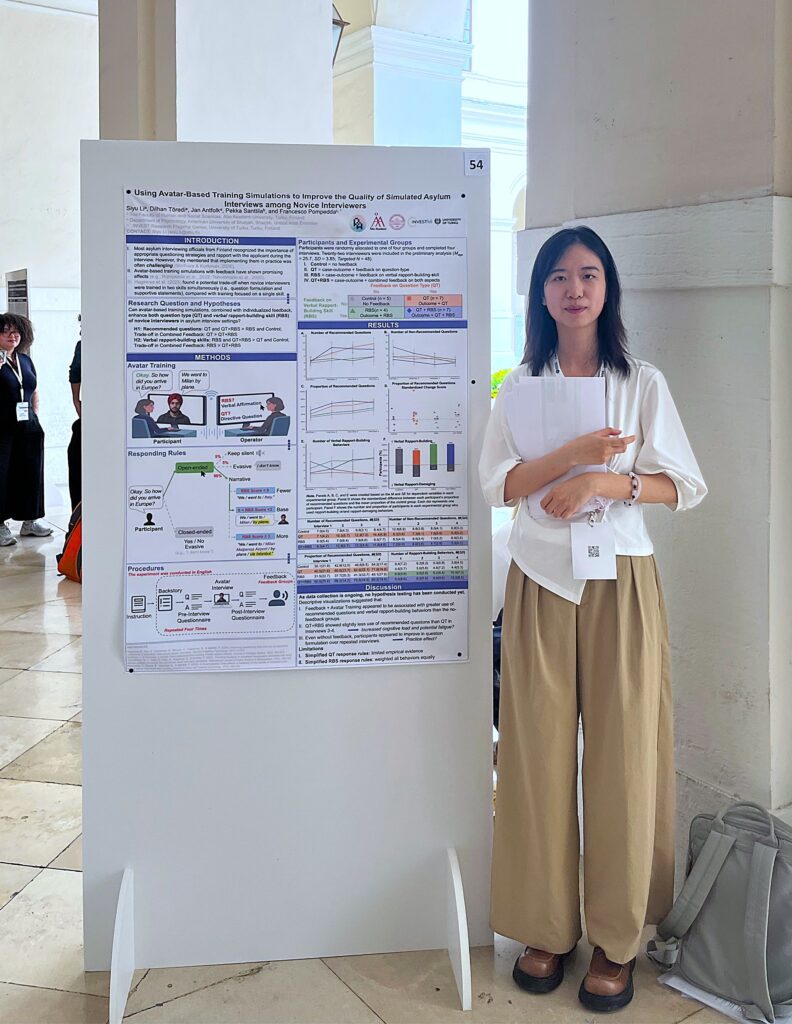
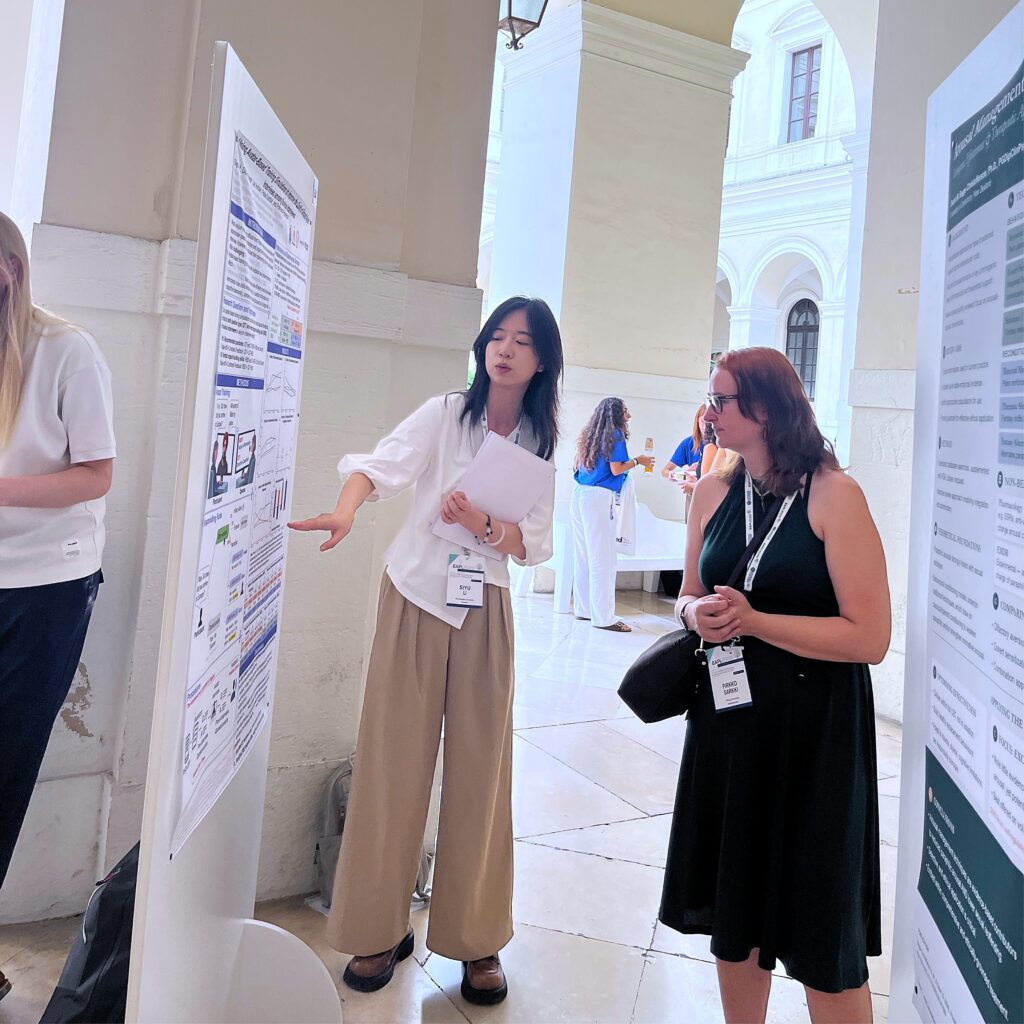
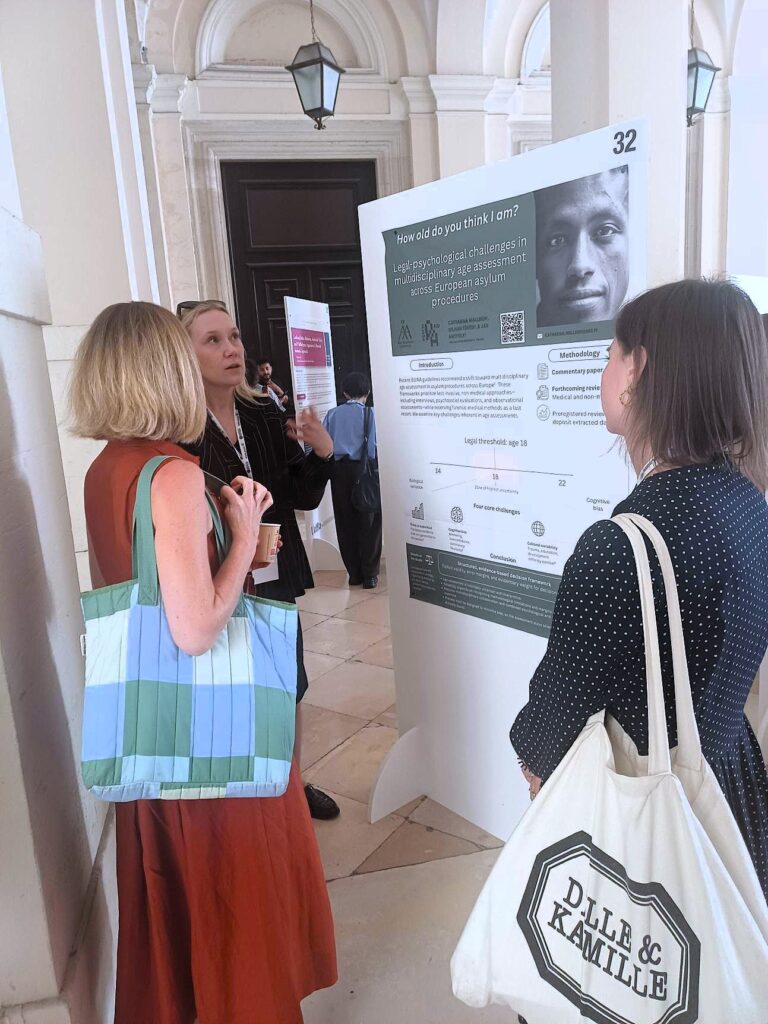
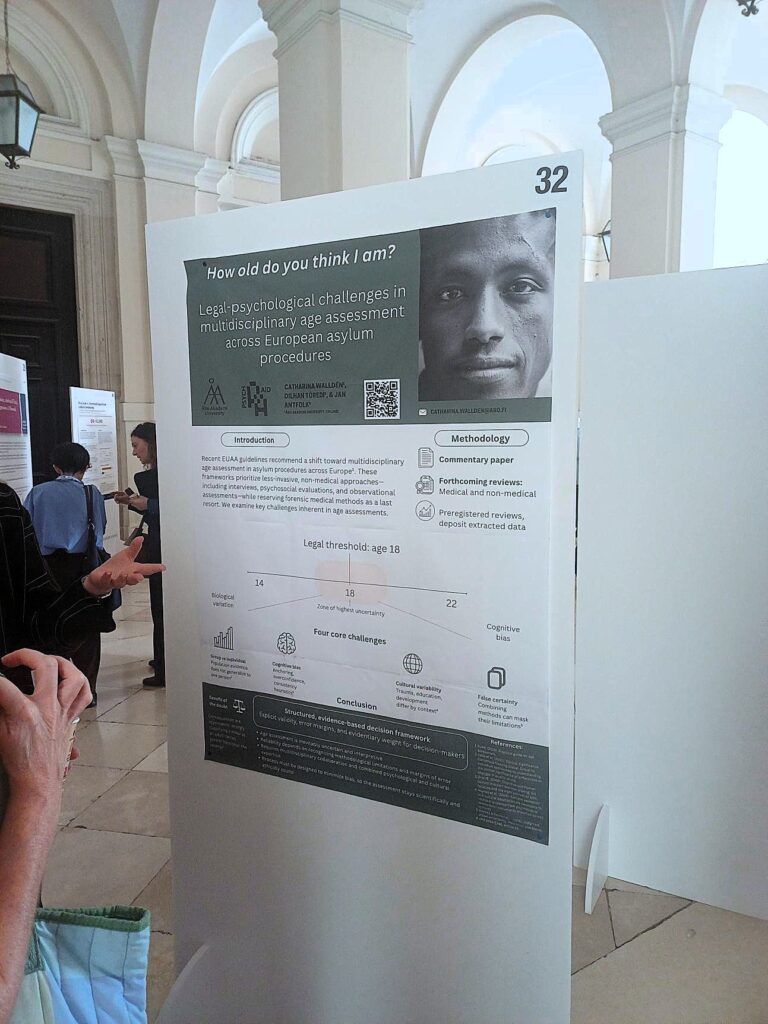
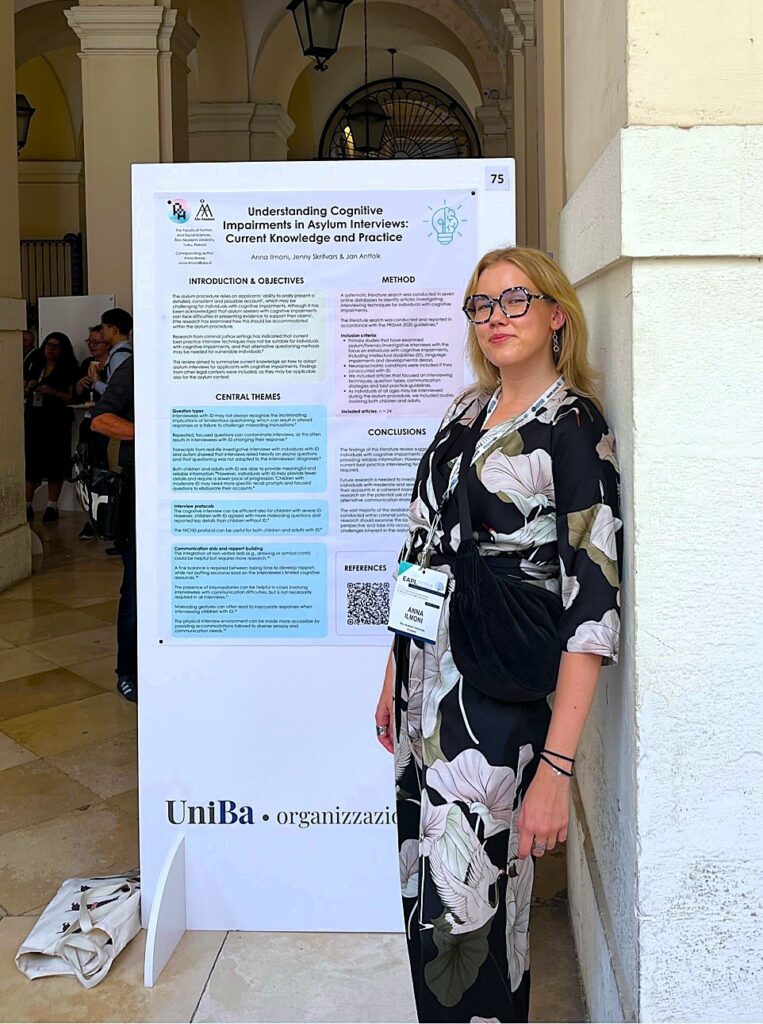
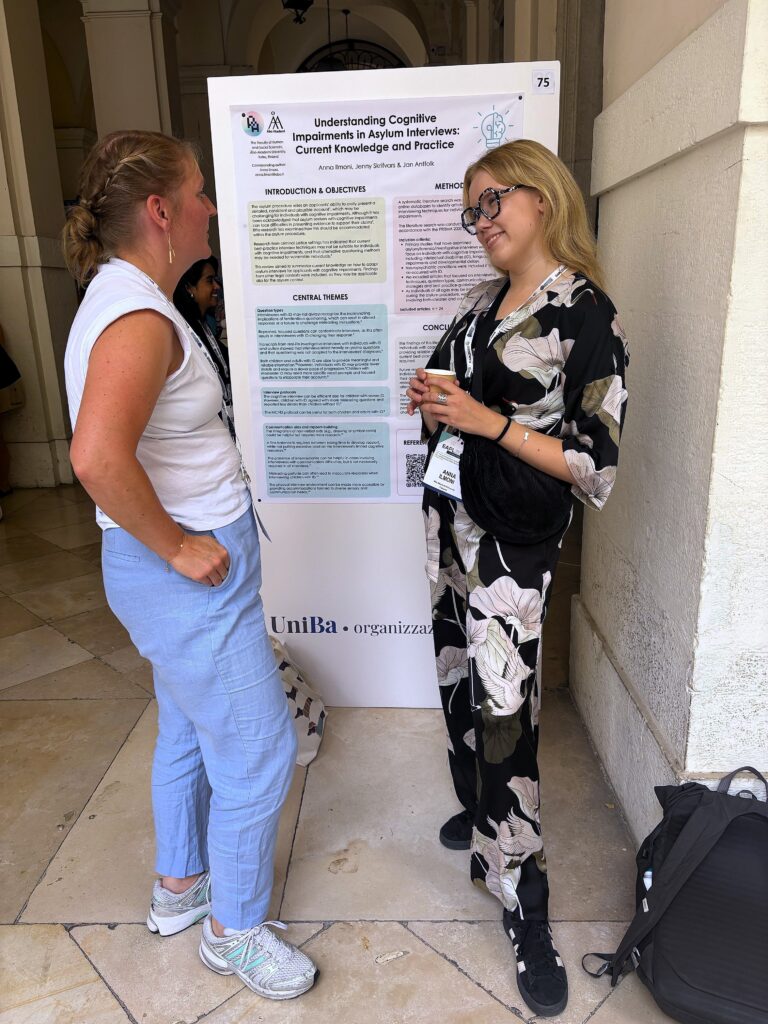
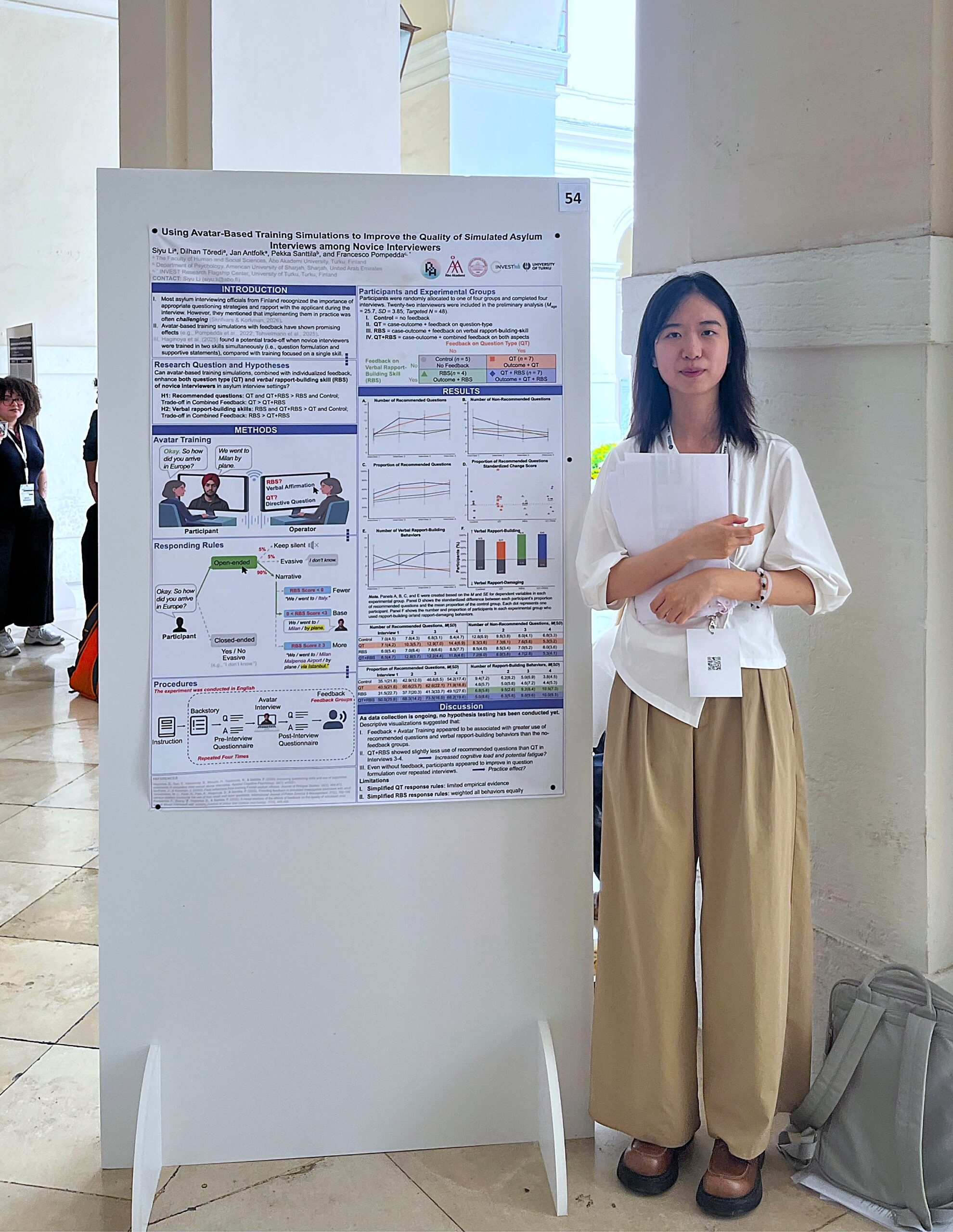
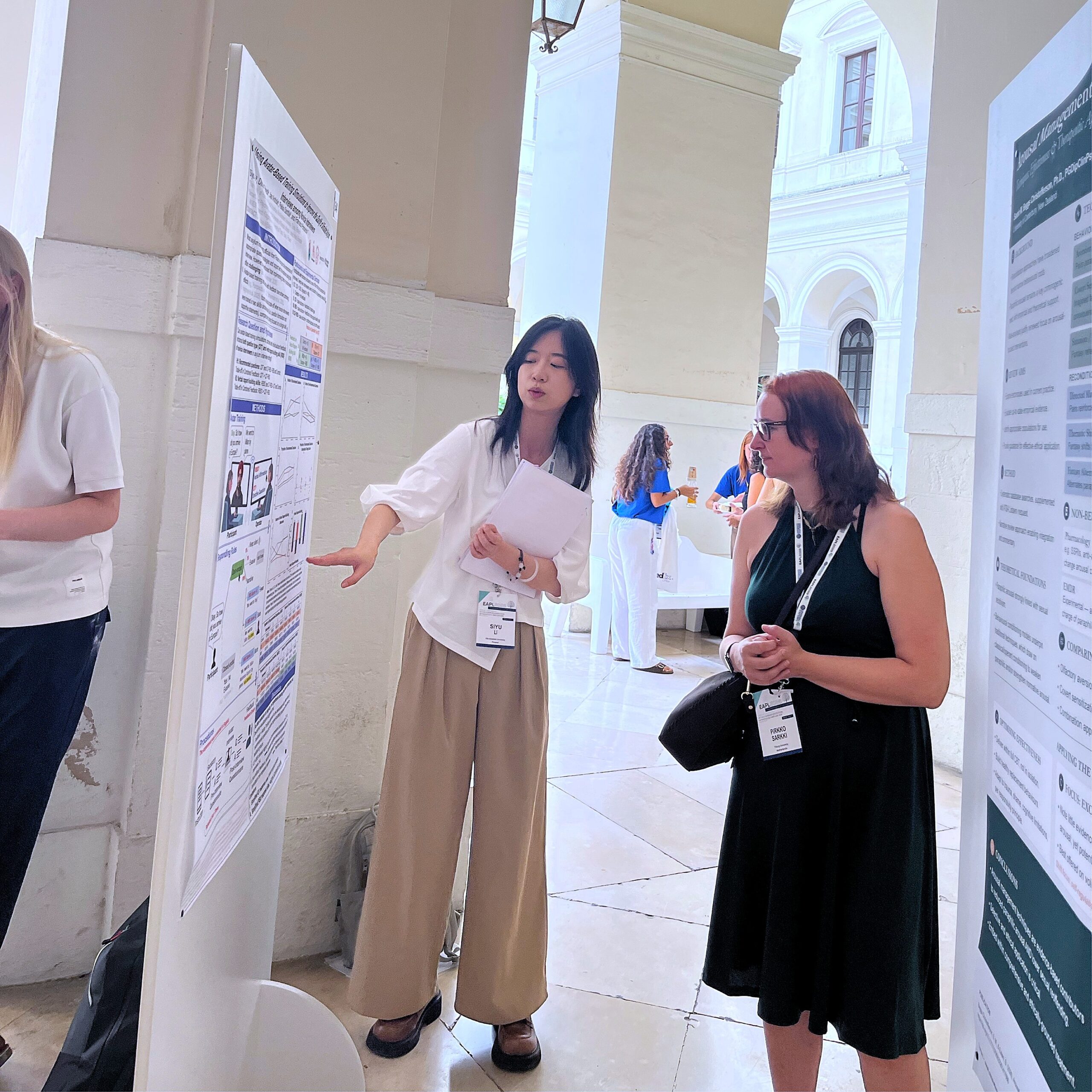
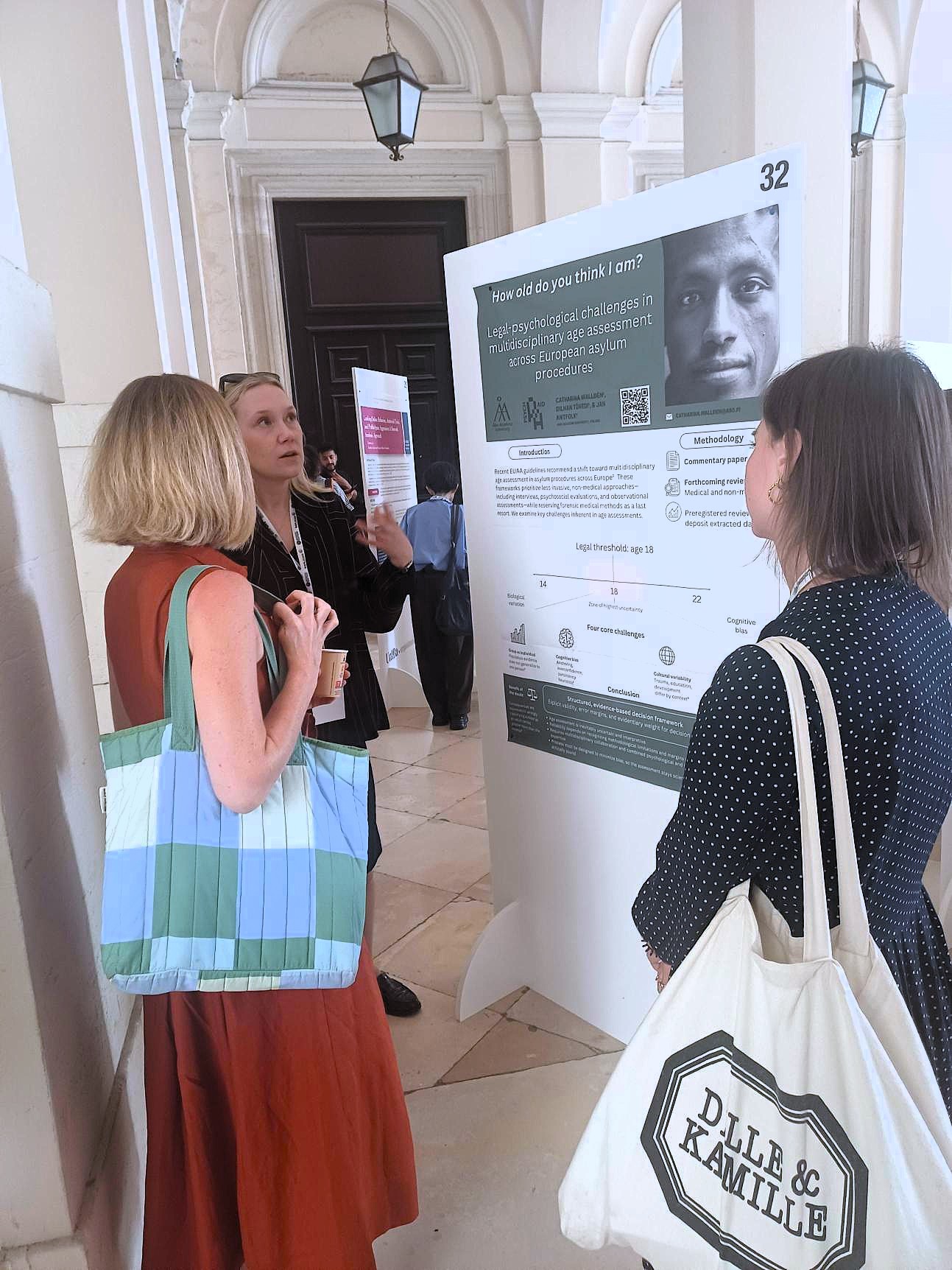
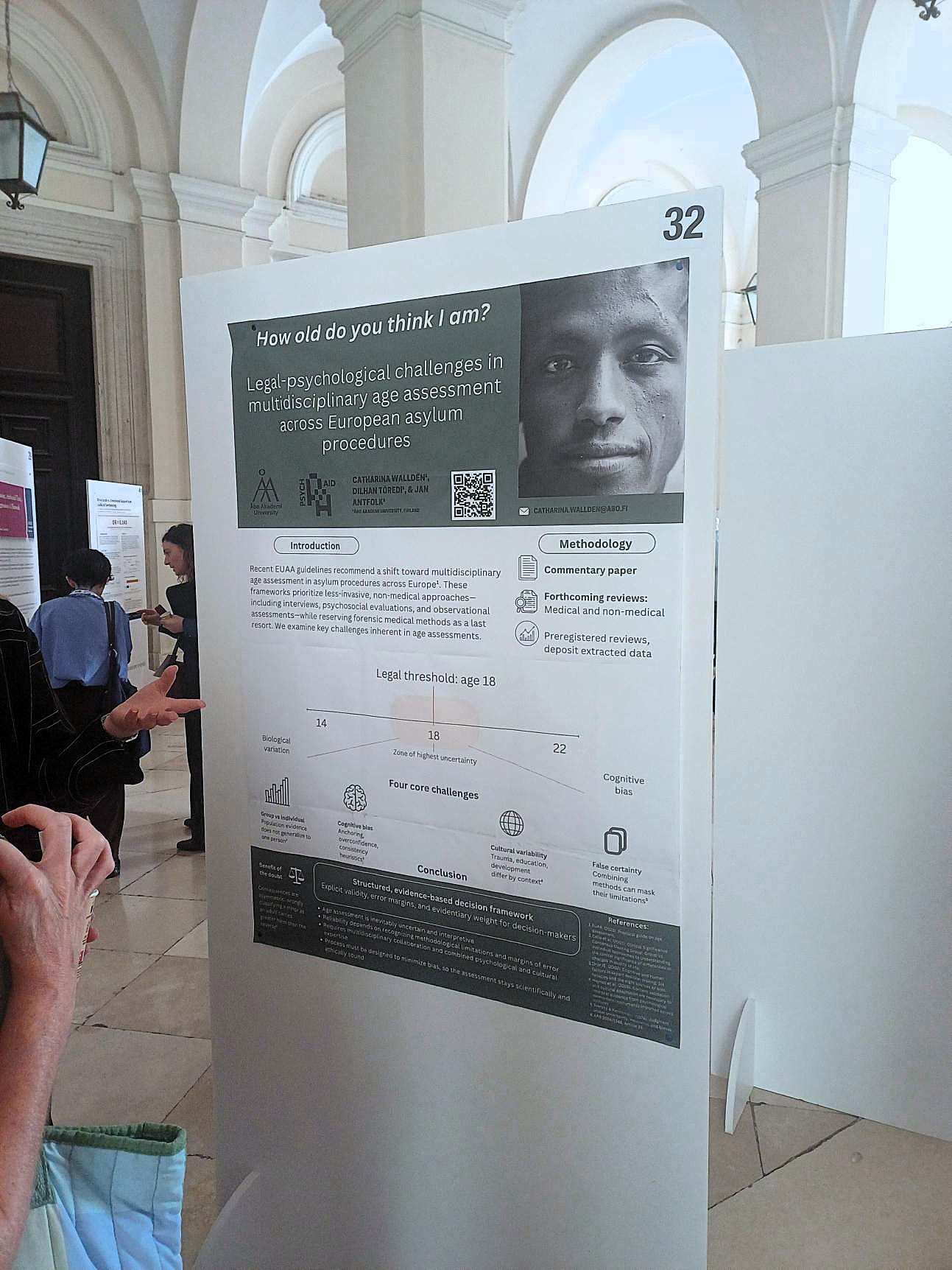
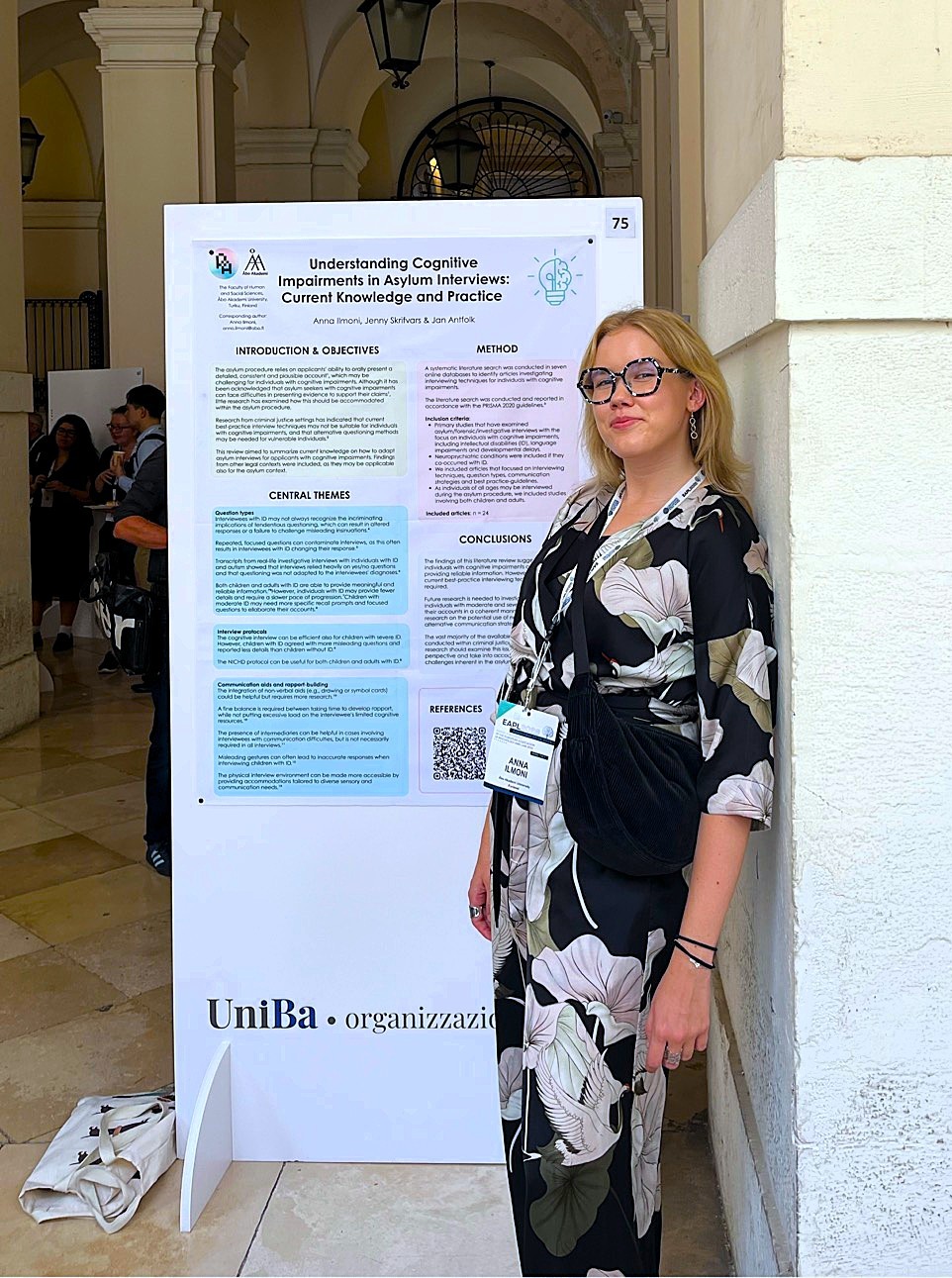
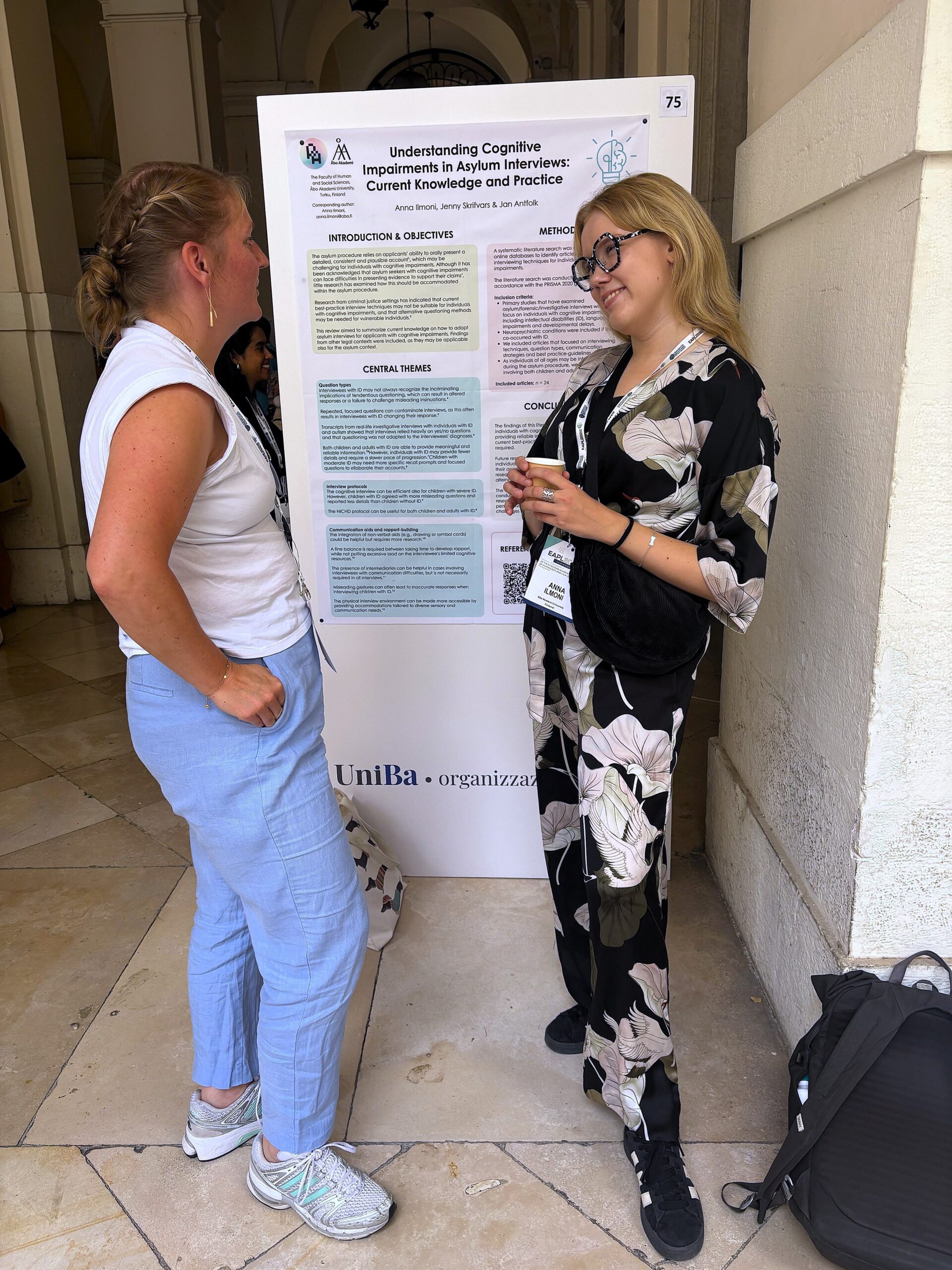
Psych-AID doctoral researchers presented at the poster sessions. Siyu Li presented preliminary results on the use of avatar training simulations to improve interview quality among novice interviewers. Attending EAPL for the very first time, Catharina Walldén presented a commentary on the challenges associated with psychosocial age assessment in European asylum procedures. Finally, Anna Ilmoni, a former research assistant and currently a doctoral researcher, presented her literature review of the current knowledge base on cognitive impairments in asylum interviews.
- Siyu’s Poster
- Siyu’s Poster
- Catharina’s Poster
- Catharina’s Poster
- Anna’s Poster
- Anna’s Poster
End of Prof. Julia Korkman’s EAPL Presidency
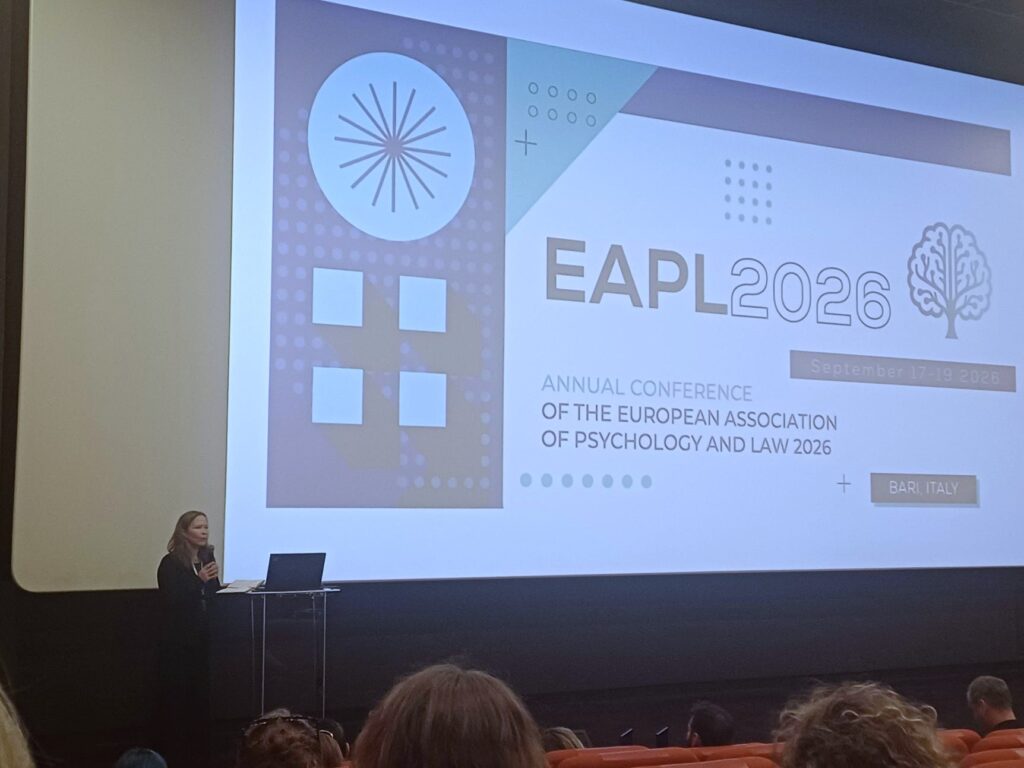
Lastly, Psych-AID co-Principal Investigator, Prof. Julia Korkman brought her term of office as the president of the EAPL to an end. Prof. Korkman inspired Psych-AID and EAPL members with her inclusive spirit, international outlook, and positive energy. Among the most noteworthy achievements of her term, Prof. Korkman led the development of the White Paper on forensic child interviewing: research-based recommendations by the European Association of Psychology and Law (click here). At last year’s EAPL2025 conference in Vilnius, she and her collaborators received the Educational Impact Award for the Åbo Akademi legal psychology training for legal practitioners in Finland. She will continue as a member of the EAPL Board. The Psych-AID network congratulates her and extends its best wishes to President Timothy Luke and President-Elect Melanie Sauerland for their coming terms.
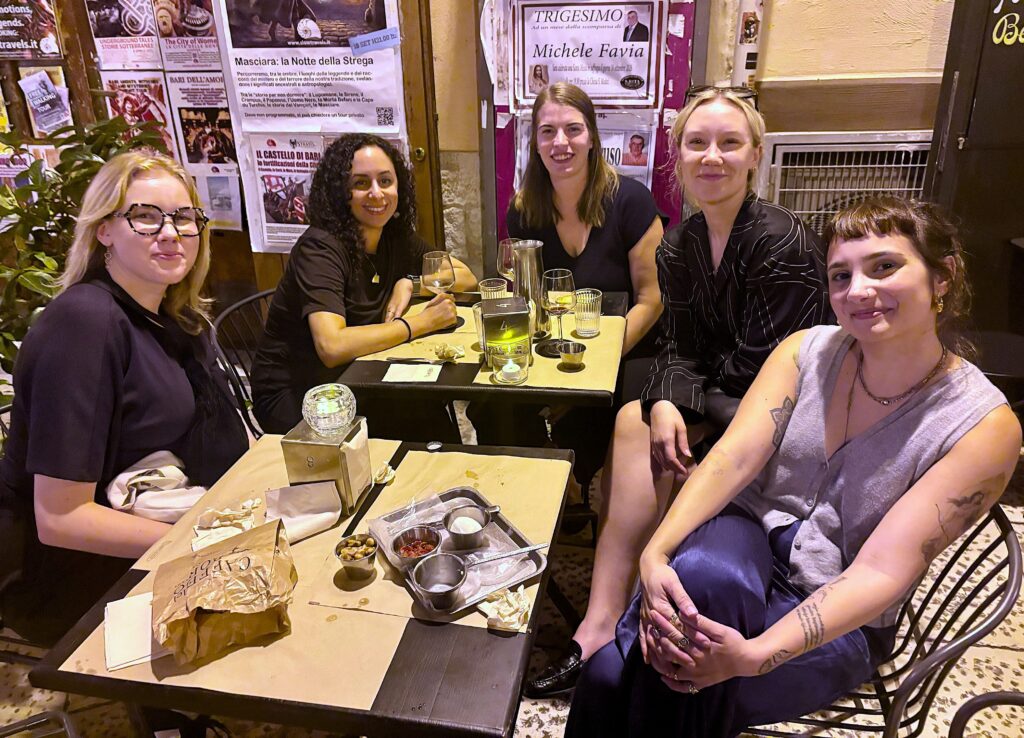
EAPL conferences are always a great opportunity for Psych-AID members to reconnect with colleagues and collaborators and learn about the excellent research in psychology and law across Europe and beyond. The Psych-AID network expresses its sincere thanks to the conference organisers and all staff for their outstanding organisation and hospitality!