
SOGIESC in Asylum:
Evidence-Based and Cross-Cultural Perspectives

The conference, funded by the Nordic Gender Fund and Stiftelsen för Åbo Akademi, will bring together researchers and practitioners working at the intersection of legal psychology, law, gender studies, and migration, with a focus on evidence-based and SOGIESC (Sexual orientation, Gender Identity, Gender Expression, and Sex Characteristics)-sensitive asylum decision-making.
We are delighted to have Hilary Evans Cameron (Lincoln Alexander School of Law, Toronto Metropolitan University), Lisa Diamond (University of Utah), Ilan Meyer (the Williams Institute/UCLA) Hüseyin Ali Kudret (independent researcher), and Hedayat Selim (Åbo Akademi University) as keynote speakers. Read more about them further down!
📍 Turku, Finland
📅 15–17 October 2026
No participation fee
Edited anthology
The conference will culminate in the preparation of an edited, peer-reviewed anthology bringing together international research on SOGIESC and asylum decision-making. The volume will consolidate interdisciplinary perspectives from legal psychology, law, and gender studies, with the aim of providing a shared empirical and conceptual foundation for future research and practitioner training.
Conference participants will be invited to contribute chapters to the anthology. The volume is intended as a lasting scholarly output and as a piece of research infrastructure supporting evidence-based and SOGIESC-sensitive asylum practices.
About the organizers
The conference is organized by the Psych-AID research network, an interdisciplinary research group at Åbo Akademi University. We bring psychological and legal evidence to support fair and accurate asylum decision-making. The organizing team brings together expertise in legal psychology and asylum law, collaborating with scholars and practitioners across Europe and beyond
Keynote speakers
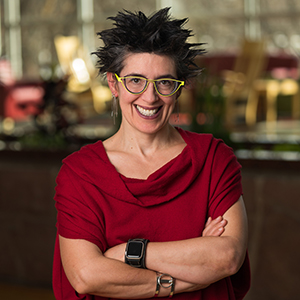
Lisa Diamond
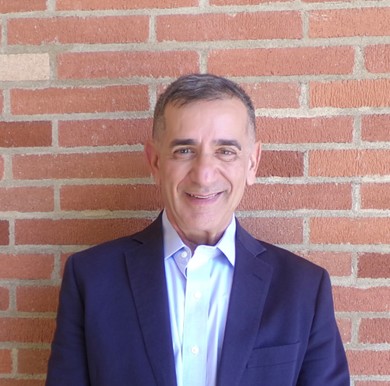
Ilan Meyer
Evidence-Based and Cross-Cultural Perspectives
Get to know our Keynote speakers.

Hilary Evans Cameron
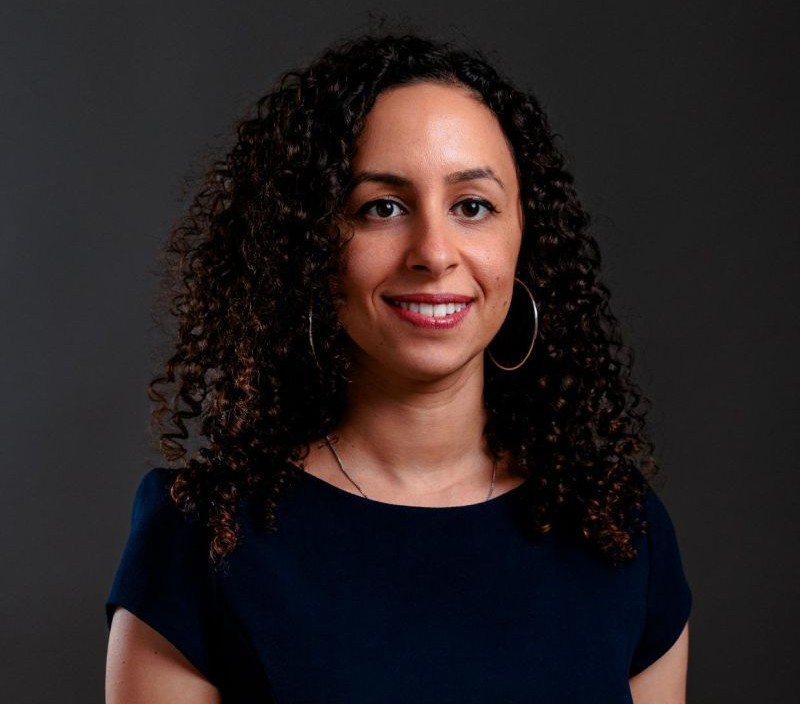
Hedayat Selim
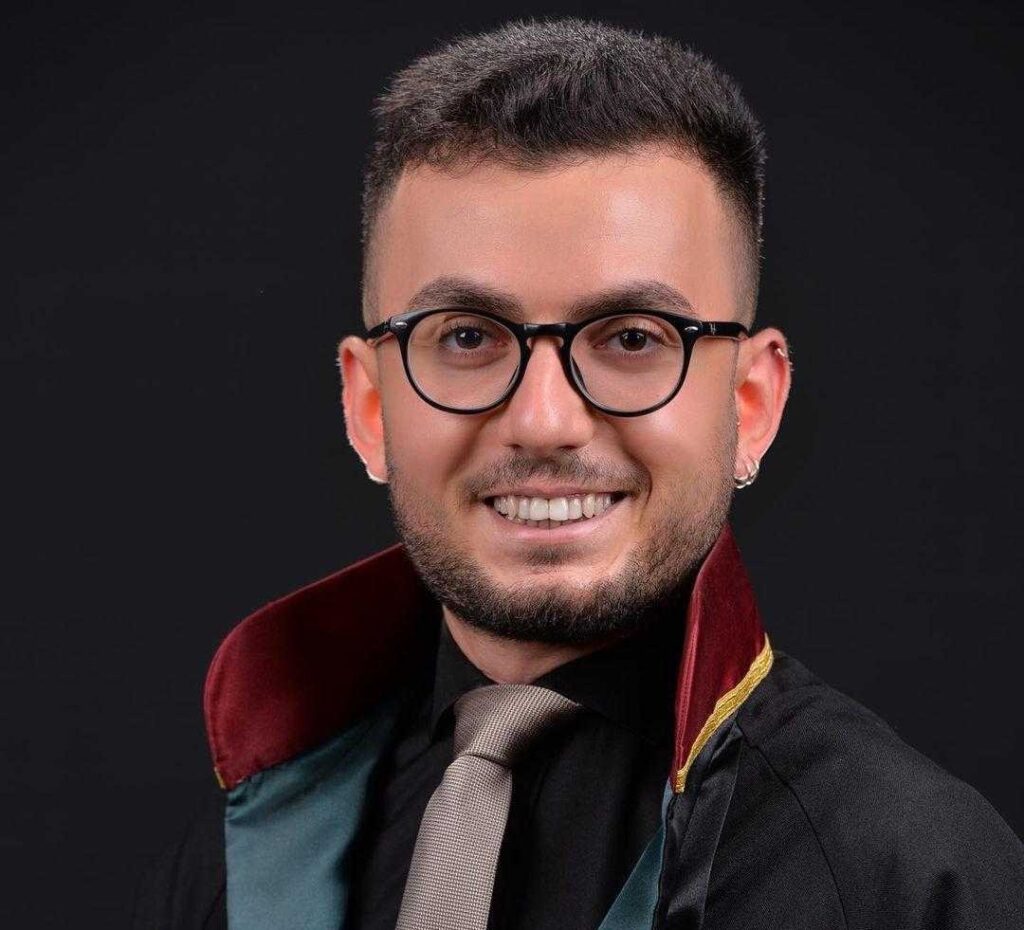
Hüseyin Ali Kudret
Background
Across different Refugee Determination Systems (RSD), asylum decision-making in SOGIESC-based claims (e.g., those involving sexual orientation and gender identity) remains inconsistent and poorly understood. These cases often require asylum decision-makers to assess the credibility of deeply personal experiences—such as identity, relationships, and persecution—especially in the absence of corroborating external evidence. Decision-makers may therefore rely heavily on intuition, implicit expectations, and cultural assumptions, which risks reinforcing bias in decision-making processes and undermining the fairness of asylum decisions.
Qualitative research shows that SOGIESC applicants are often assessed against stereotypical expectations of how sexual or gender minorities should look, behave, or narrate their experiences—for instance, gay men and lesbians being disbelieved for not appearing sufficiently gender nonconforming. Such findings highlight a reliance on disproven psychological assumptions and cultural stereotypes rather than evidence-based criteria.
Yet, there is still little empirical and experimental research that directly examines and causally tests the impact of these biases on asylum decision-making or evaluates systematic, evidence-based ways to mitigate them. Moreover, asylum claims are rarely unidimensional but often intersectional. SOGIESC-related claims frequently intersect with other identity dimensions, such as ethnicity and religion, adding further complexity to the process. Yet, existing empirical research on asylum interviewing has largely overlooked intersectionality. This underscores the need for stronger interdisciplinary collaboration between legal psychology, law, and gender studies to develop systematic, evidence-based approaches for investigating and evaluating SOGIESC-related asylum claims across national contexts.
The conference aims to:
– Connect scholars working on SOGIESC and asylum topics across disciplines, institutions, and countries.
– Develop shared conceptual and methodological frameworks for investigating factors around SOGI-related decision-making, including but not limited to assessing and improving common terminology, approaches to data collection and analysis, and principles for cross-disciplinary and cross-cultural collaboration.
– Provide the foundation for sustained joint research outputs.
– Culminate in an edited peer-reviewed anthology.
Key dates and deadlines
Abstract extended deadline for presentation: August 31, 2026
Abstract decision: September 4, 2026
Conference registration: Open till September 15, 2026
Anthology first draft deadline: January 15, 2027
Abstract and anthology information
Presentations will be approximately 15 minutes.
There will be an opportunity to contribute to a planned anthology following the conference, but participation in this is entirely optional and not a requirement for presenting.
Themes for conference presentations and the anthology:
The section Legal Foundations clarifies how SOGIESC claims have been incorporated into refugee law, how “particular social group” jurisprudence has evolved, and how evidentiary and forward-looking standards structure decision-making.
The section Identity and Harm synthesizes psychological research on sexual and gender identity, minority stress, trauma, and concealment, providing conceptual tools for understanding the lived realities that legal categories attempt to capture.
The section Credibility and Evidence examines how trauma, stigma, memory processes, digital traces, and cultural expectations affect the evaluation of testimony and supporting materials, distinguishing stereotype-driven reasoning from evidence-informed assessment.
The section Risk and Professional Judgment addresses the forward-looking evaluation of persecution risk, the integration of country-of-origin information, the limits of prediction, and the psychological demands placed on decision-makers themselves.
More information will follow.
Conference registration
The conference registration is now open. Please note that the last day to register is the 15th of September.
Preliminary program
Please note that this is a preliminary program and updates and more information will follow.
Day 1 – October 15 (12:30–17:30)
11:00–12:30: Registration desk opens
12:30–13:00: Welcome remarks
13:00–14:00: Keynote – Hüseyin Ali Kudret
14:00–14:15: Coffee break
14:30–15:30: Keynote – Lisa Diamond
15:45–17:00: Session talks
17:00: Mingle and sparkling wine with a special performance
Day 2 – October 16 (09:00–17:00)
09:00–09:30: Coffee
09:30–10:30: Keynote – Hedayat Selim
10:30–10:45: Short break
10:45–12:30: Session talks
12:45–13:45: Lunch
13:30–14:30: Keynote – Hilary Evans Cameron
14:30–14:45: Coffee break
14:45–16:15: Session talks
16:30–17:30: Keynote – Ilan Meyer
19:30: Conference dinner
Day 3: Please note, this day is for anthology contributors only
09:30–10:00: Coffee and light breakfast
10:00–12:30: Collaborative session to outline the structure and thematic focus of the forthcoming edited anthology (title to be confirmed). The session will synthesize ideas from the previous day’s panels and define key contributions. Participants will subsequently be invited to submit extended abstracts for inclusion in the volume.
Conference venue
The conference will be held at Åbo Akademi University campus Astra.
Getting to Turku and where to stay
Here you can find great information on how to get to and around Turku. We have an airport in Turku with connections from Stockholm with SAS. It is also possible to fly to Helsinki and get a bus (2 hours) to Turku. Finnair has their own connection with bus and there are also other options, for example OnniBus.
The two closest hotels to the venue are Scandic Julia and Centro Hotel. However, nothing is very far in Turku and there are lots of other nice hotels.
Contact us
sogiescconference@abo.fi