Reflections on the third SOS Annual Meeting – An event that brought people together for a sustainable ocean
Text: Emma Holmback
The Centre for Sustainable Ocean Science (SOS) organized its third annual meeting on 6–7 October in Astra, Turku. The annual meeting gathered over 100 researchers, students, collaborators and stakeholders, mainly from the Archipelago Sea region, but also from further away. During the two-day event, issues concerning marine and coastal environments were examined from many different angles – biologically, economically, socially, and culturally – and ideas for potential solutions were discussed.
I work as a project assistant at the Centre for Sustainable Ocean Science, and this was the second time that I had the opportunity to participate as part of the production crew at the SOS annual meeting. Planning and organizing an event like this has been both fun and rewarding. When I now, three weeks after the annual meeting, reflect on the event I still feel energized by the inspiring atmosphere that characterized the event.
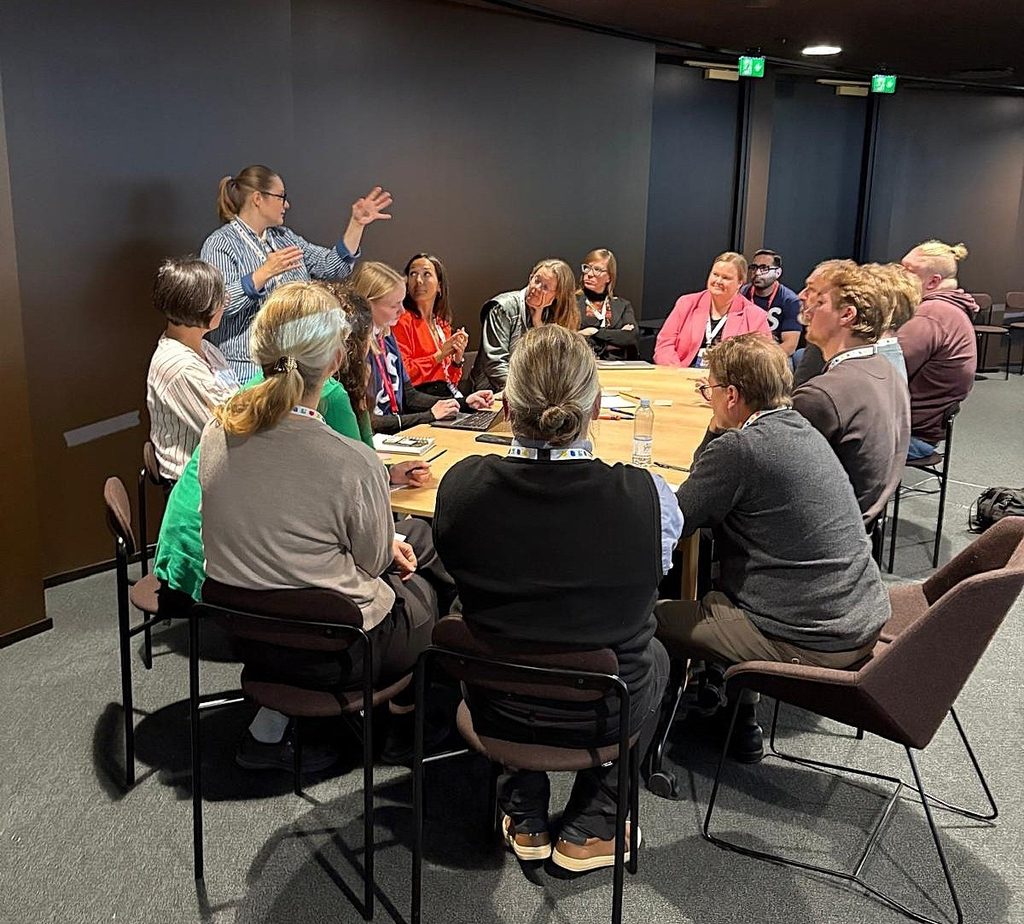
During the two days of the event people from SOS, collaborators, affiliates and invited keynote speakers presented their work, took part in panel discussions and organized interactive workshops for the participants. Topics included conservation of Baltic Sea ecosystems, impacts of human activities on fisheries, legal pathways for restoring privately owned coastal waters, and the role of governance in archipelago planning. Transdisciplinary approaches to addressing sustainability challenges related to marine environments were highlighted throughout the event.
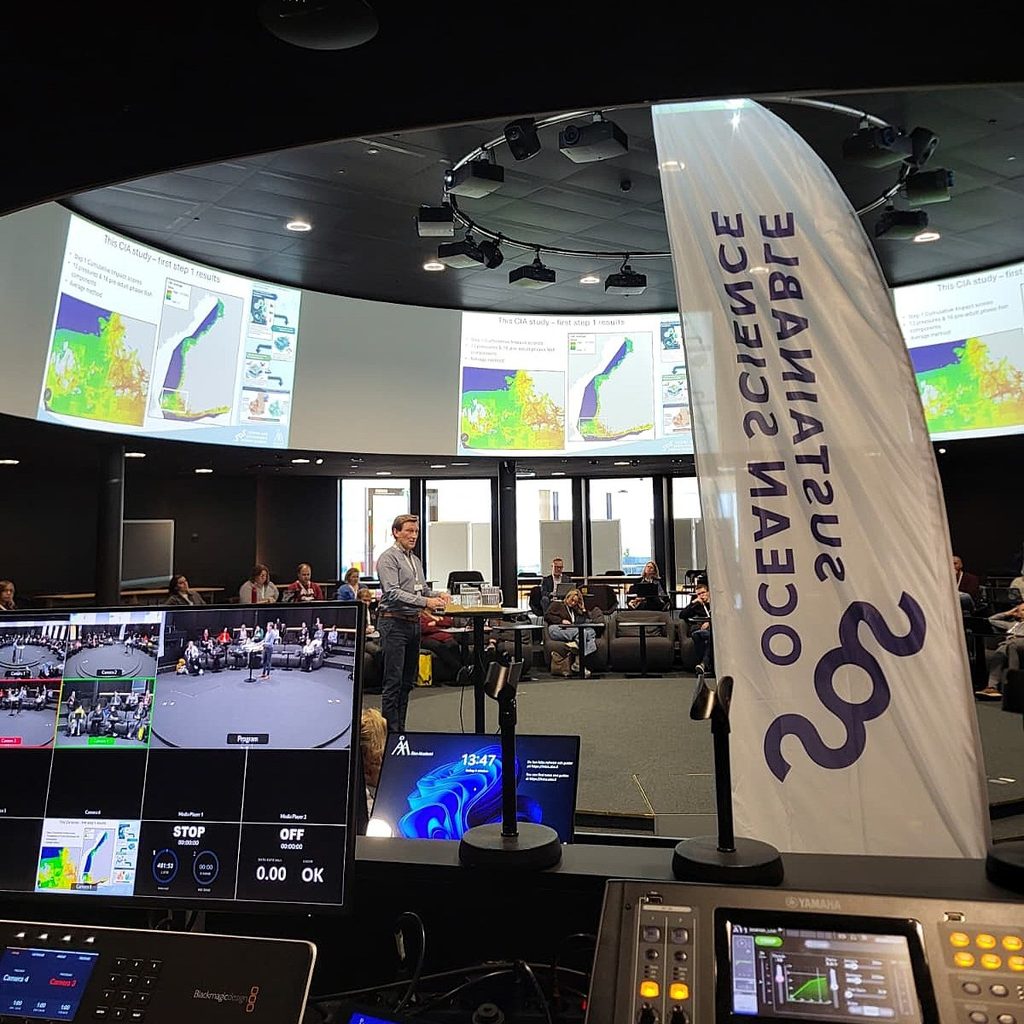
The need for transformative change was also a recurring theme during the annual meeting. Kirsi-Marja Lonkila (Ministry of the Environment), the first day’s keynote speaker, underlined that transformative change is possible, but that there is an urgent need to halt and reverse biodiversity loss. Lonkila also argued that we need a fundamental change in how we view and interact with nature for this transformative change to happen. The keynote speaker of the second day, Satu Teerikangas (University of Turku), discussed how transformative change must extend across all sectors of society and the need to rethink what kinds of lifestyles and economic systems fit within the planetary boundaries. Finally, Teerikangas encouraged participants to have a “curious imagining of possible hopeful futures” – that we must believe that positive change is possible if we continue working and learning together.
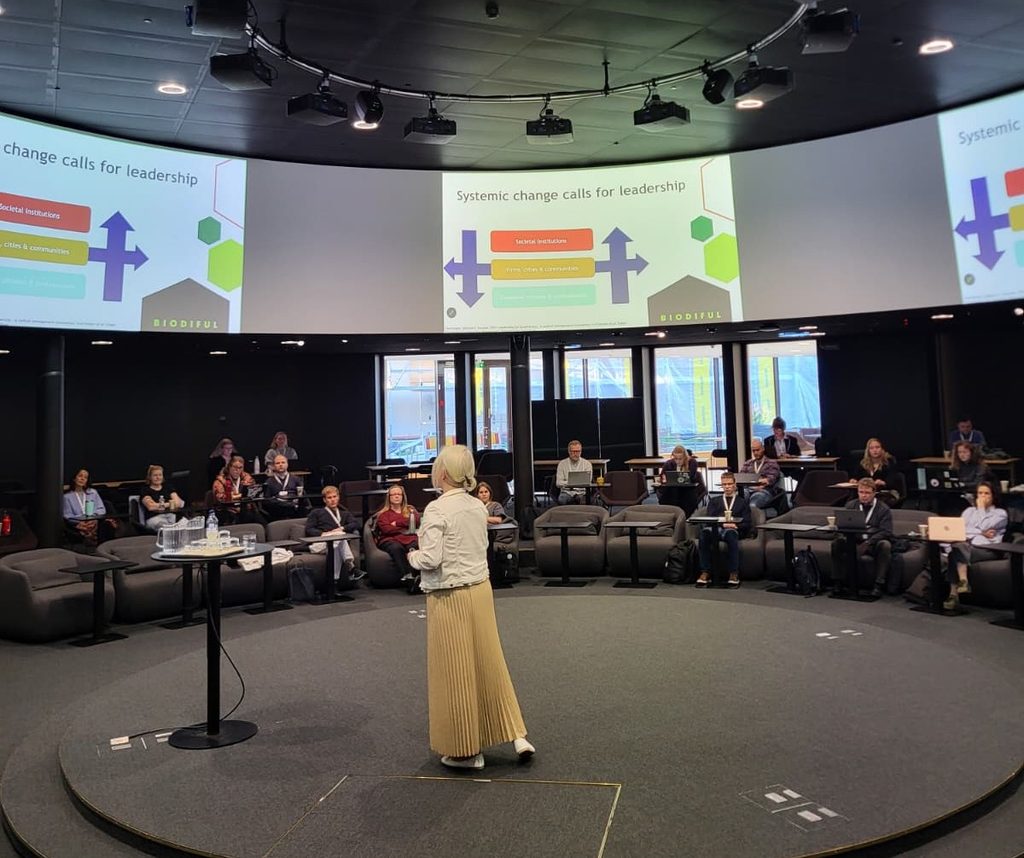
In the world we live in today where negative news and headlines have become a part of one’s everyday life, I argue that occasions like the annual meeting, where we can meet, encourage and inspire each other, are becoming increasingly important with each passing day. Events that bring together participants from academia, government, industry, NGOs and foundations in a relaxed setting are to my knowledge quite rare, yet essential for finding solutions to many of the wicked problems that we are facing today. I believe that one of SOS’s most important roles today is to act as a bridge-builder, creating arenas where people from different sectors can meet, share knowledge and work together towards sustainable solutions for our marine environments.
All in all, the annual meeting contained many interesting talks and provided a valuable opportunity to reconnect with old acquaintances, meet new ones, and engage with potential collaborators. In her closing words of the annual meeting, Nina Tynkkynen (ÅAU) mentioned that “we all together possess an extraordinary combination of knowledge”. I truly believe in those words. We simply need to continue working on how to best share, communicate, and make use of the knowledge that we have!
Author
Emma Holmback, Project Assistant, Centre for Sustainable Ocean Science, ÅAU