
Reflections on my internship at the Centre for Sustainable Ocean Science
Text: Dogukan Dizman
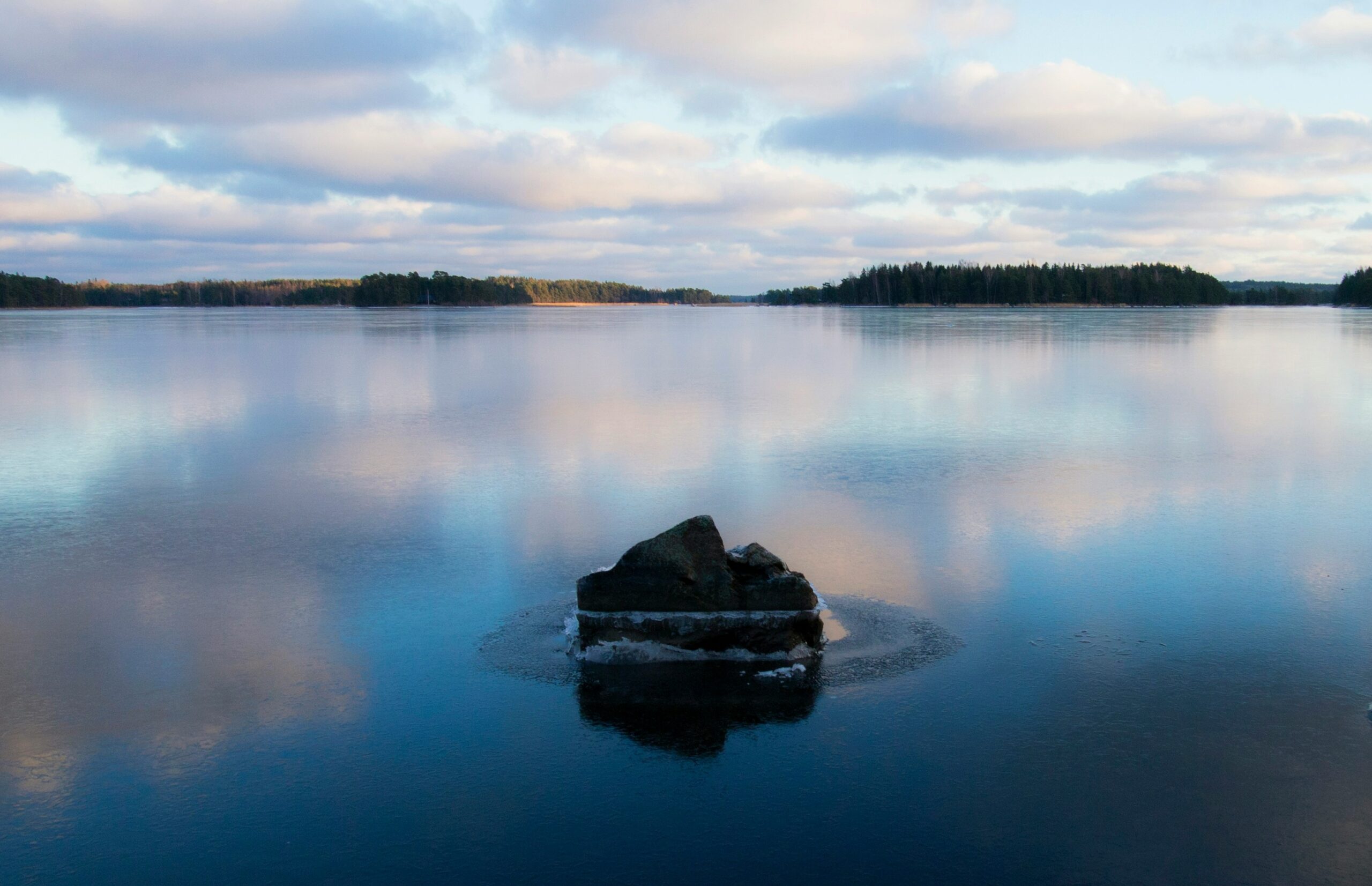
Cover image: Heidi Bruce (Unsplash.com)
Over the past three months, I had the chance to do my internship at the Centre for Sustainable Ocean Science (SOS) at Åbo Akademi University, alongside my master’s studies in Governance of Digitalization. For someone who spends summers on the water and cares deeply about marine ecosystems, this was a truly meaningful experience. It gave me the opportunity to learn more about the Baltic Sea, especially the unique Archipelago Sea, and to understand how sustainability, biodiversity, and human actions are all connected.
The Baltic Sea is one of the most vulnerable seas in the world. It faces serious challenges like nutrient runoff, eutrophication, and harmful algal blooms. During my time at SOS, I learned how these problems are linked to human activity and climate change, and how they affect the balance of the entire ecosystem. What impressed me most was the way SOS approaches these issues. It’s not just about biology or chemistry; the Centre brings together people from different fields—marine science, social sciences, law, even the arts. This mix of perspectives is essential because environmental problems are complex and need solutions that go beyond one discipline. SOS also works hard to connect research with communities and decision-makers so that knowledge leads to real action.
My tasks during the internship were diverse and gave me a good sense of how research and outreach work hand in hand. I helped organize events and workshops, which are important for bringing people together to share ideas. One highlight was the annual meeting in Kasnäs, a two-day event with an overnight stay. It included international keynote speakers and a variety of workshops, and it was a great chance to meet people working in the region and learn from their experiences. Another memorable event was “Konsten att rädda Östersjön” at the Sibelius Museum, which combined art and law to raise awareness about the Baltic Sea. Before this, I wasn’t entirely sure that events like these could make a big difference. But seeing the impact changed my mind. Sometimes a single art performance can reach people in a way that reading a hundred articles never could. It was inspiring to see how creative approaches can make sustainability issues more engaging. My role in both events was to support the organizing process, and I really enjoyed being part of something that connected science with society.
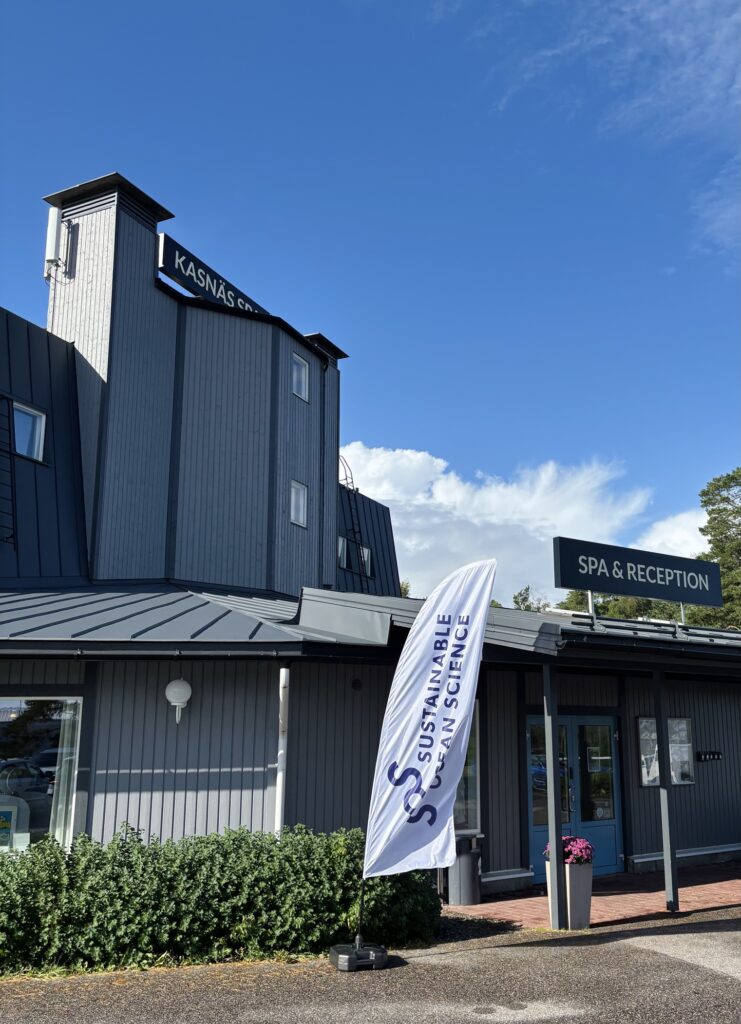
Photo: Malla Lehtonen
Through these experiences, I developed practical skills in project coordination and communication. I learned how to present complex topics in a way that different audiences can understand, and how important collaboration is when working on environmental challenges.
I also gained a deeper understanding of the Baltic Sea ecosystem. Before this internship, I knew about problems like algal blooms, but I didn’t realize how interconnected everything is. For example, species like bladderwrack, blue mussels, and seagrasses play a huge role in keeping the ecosystem healthy. They help with nutrient cycling, provide habitats, and even improve water quality. I also learned about the concept of resilience, how the sea can recover if we take the right steps, like reducing nutrient inputs and protecting key habitats. This showed me how vital evidence-based policies and cooperation between scientists, authorities, and local communities are.
One thing that stood out to me was how interdisciplinary work really happens. At SOS, biologists work with lawyers, social scientists, and even artists to create solutions that are not only scientifically sound but also socially acceptable and culturally relevant. Seeing this in practice was eye-opening and gave me a new appreciation for the role of governance and communication in sustainability.
Looking back, this internship has been an important step for me. It confirmed my belief that solving environmental problems requires both technical knowledge and good governance. As someone studying digitalization governance, I see clear similarities between ocean sustainability and digital transformation: both involve complex systems, many stakeholders, and the need for transparent, inclusive decision-making. In the future, I hope to work at the intersection of technology, policy, and sustainability, whether that means developing digital tools for environmental monitoring or creating platforms for stakeholder engagement.
Now it’s time for me to sail toward new adventures, carrying with me everything I’ve learned during this journey. A special thanks to Malla Lehtonen and Anna Törnroos-Remes for their support and guidance, you made this experience truly memorable.
Author
Dogukan Dizman, master’s student in Governance of Digitalization, Åbo Akademi University