
The birth of the Whale Farmer project
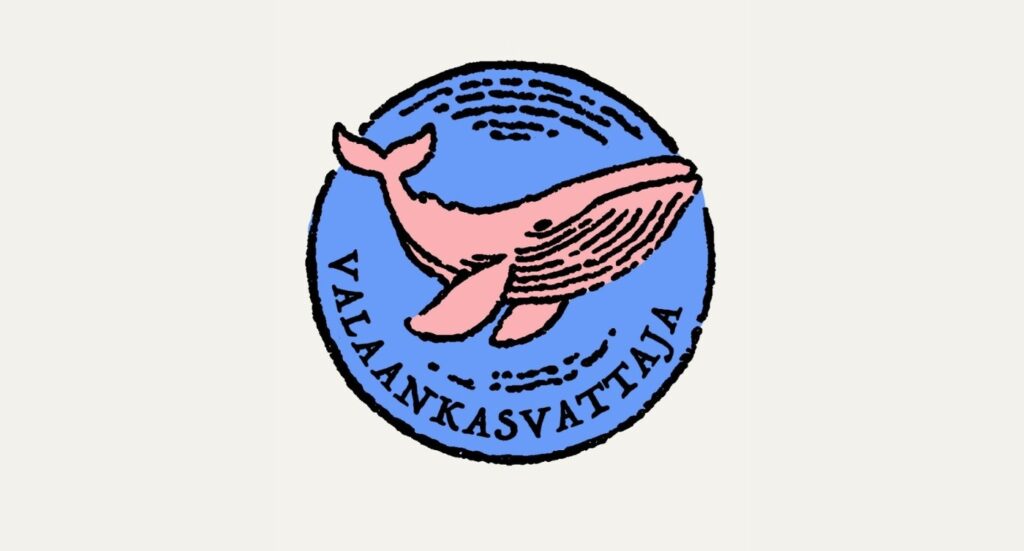
A Whale Farmer is a term for a person who, despite their environmental concerns, is an active protector and enforcer of the marine environment. Whales are mechanical water mixers in the oceans, ensuring that water masses continue to mix. Mixing of water layers is an essential prerequisite for a functional marine ecosystem. In the Whale Farmer-project, whales are symbolic animals for alleviating the negative effects of ongoing global warming. Whale Farmer is a spin-off science and art research project from the MIMOSA project (Modeling Advanced Primary Production Scenarios in Coastal Seas) that was awarded funding through the SOS Project Booster 2024 program.
Visitor Fees: A Watershed for Islanders
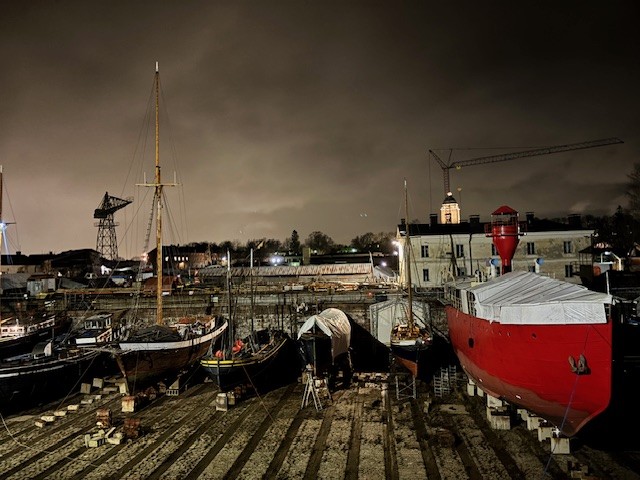
Visitor Fees: A Watershed for Islanders Text & photos: Cecilia Lundberg Do the benefits outweigh the disadvantages? Some say a clear yes, others firmly no. A cautious middle group agrees only if the fees are voluntary. This issue sparked lively debate and received the most media attention when islanders from across Finland gathered a few…
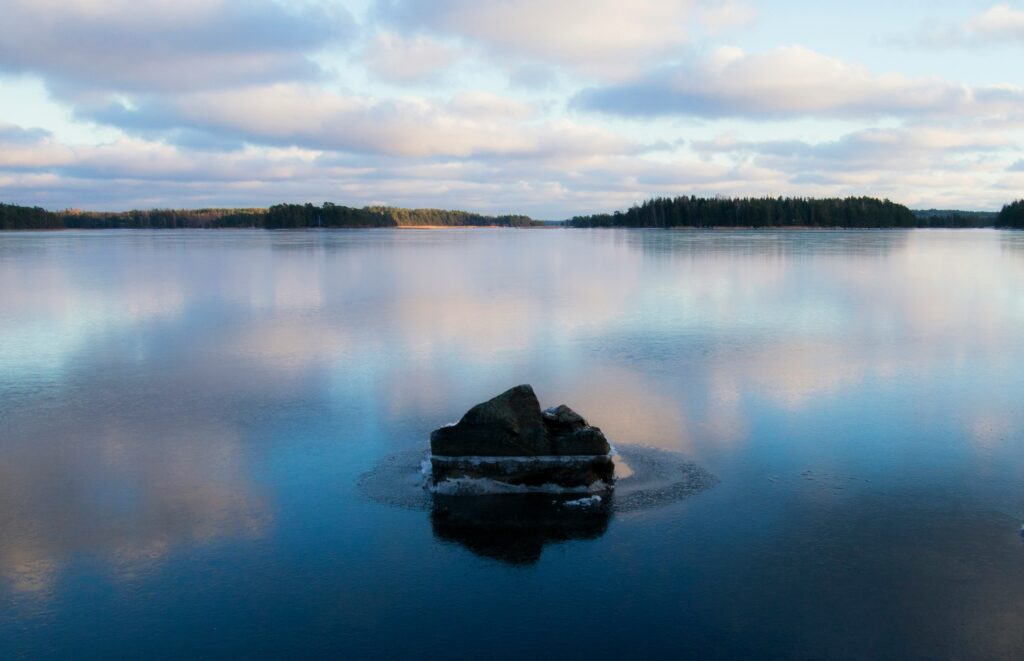
Reflections on my internship at the Centre for Sustainable Ocean Science
Over the past three months, I had the chance to do my internship at the Centre for Sustainable Ocean Science (SOS) at Åbo Akademi University, alongside my master’s studies in Governance of Digitalization. For someone who spends summers on the water and cares deeply about marine ecosystems, this was a truly meaningful experience. It gave me the opportunity to learn more about the Baltic Sea, especially the unique Archipelago Sea, and to understand how sustainability, biodiversity, and human actions are all connected.
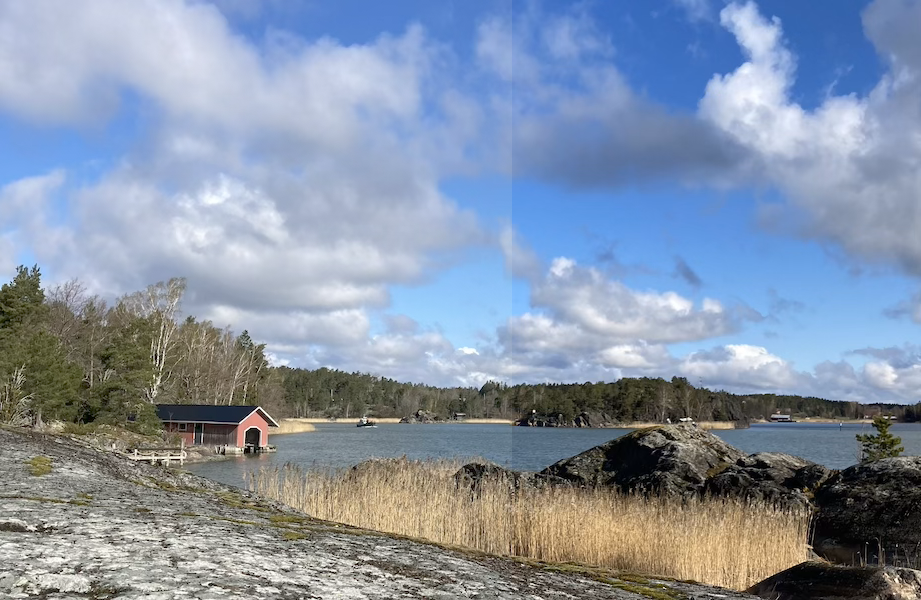
Secondary school art-science photography workshop as a vehicle for thinking about the archipelago forests’ manifold meanings
This blog post discusses the contact zone between environmental education and art and science education. Funded by the first SOS booster call, our working group organized two secondary school photography workshops about the manifold meanings of archipelago forests, with subsequent photo exhibitions in Nagu and Velkua in Finland’s southwestern archipelago.
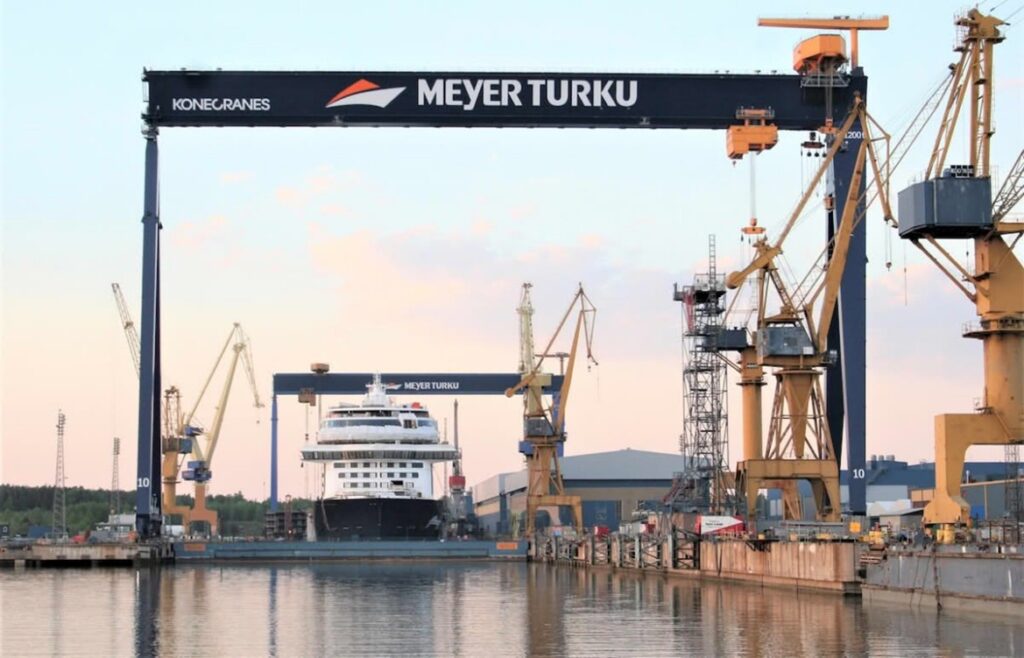
The environmental impacts of the shipping industry from cradle to grave – a joint investigation from two Bachelor’s theses
In 2024, a collaboration between SOS and Meyer Turku was initiated to explore ways of mitigating the shipping industry’s impact on biodiversity. This partnership led to the production of two bachelor’s theses in Environmental and Marine Biology: William Nyholm investigated the environmental effects of the construction and operational phases of ships, while Amanda Nygren focused on the dismantling process.
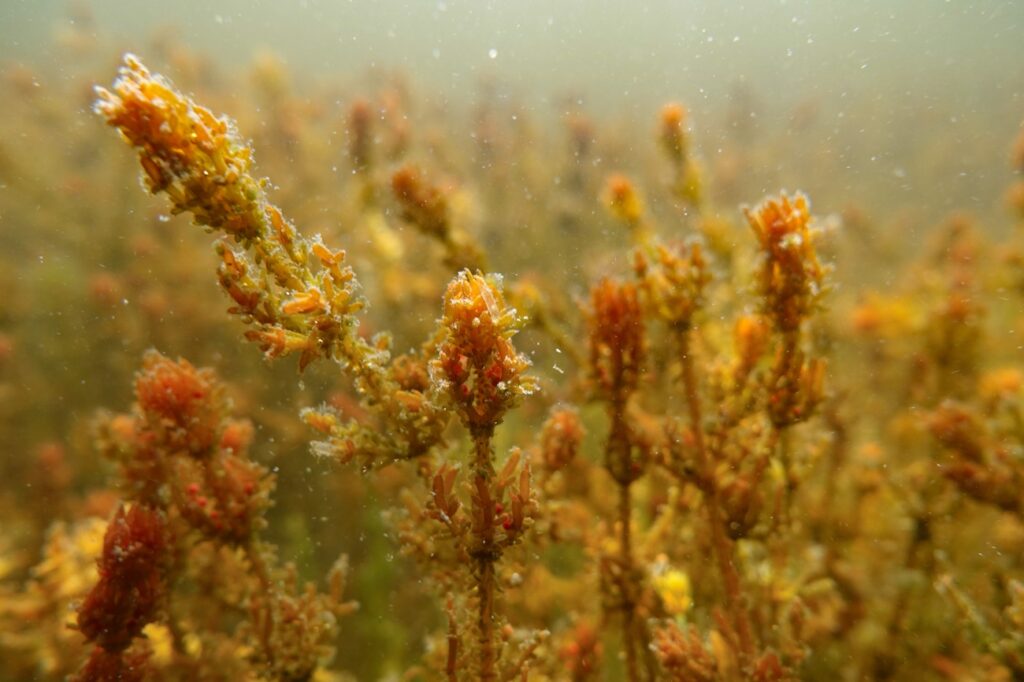
Assessing the genetic diversity of Baltic Sea stoneworts – setting a framework to support European restoration goals
Researchers at Åbo Akademi University are characterising the genetic diversity of stonewort within the Baltic Sea in a bid to help the restoration of shallow, coastal lagoons in Finland.
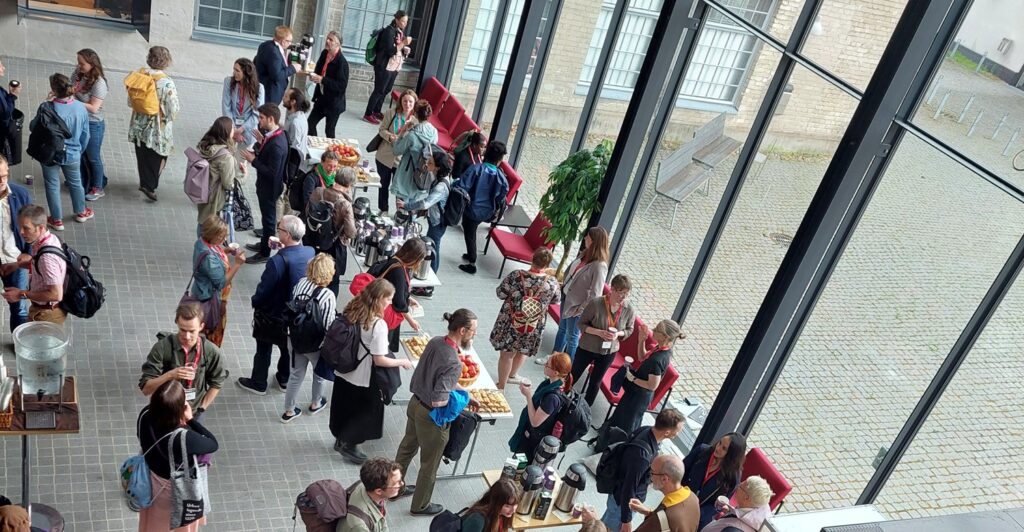
16th NESS in Turku: Co-producing knowledge for sustainability
Sustainability transformations are urging for complementary approaches to understand and affect the ways in which human beings know about and live with nature. In research, this implies sustained attention to interdisciplinary dialogue as a form of knowledge co-production. Such a dialogue can refer both to cooperation across academic fields and disciplinary boundaries, as well as to the engagement with different stakeholders in the processes of knowledge production.